News

How to Design a Vintage H-Van Style Food Truck for Your Business

2026-11-09 0 Leave me a message

Article Summary

A Vintage H-Van Style Food Truck combines nostalgic automotive styling with the practical functions of a modern mobile kitchen. For entrepreneurs entering the street food, catering, coffee, or mobile restaurant business, this distinctive vehicle offers an opportunity to create a recognizable brand and attract customers through its appearance. However, choosing the right food truck involves much more than selecting an attractive exterior. Interior layout, cooking equipment, ventilation, electrical capacity, water systems, materials, mobility, and customization all influence daily performance. This guide explains how to plan, customize, and operate a Vintage H-Van Style Food Truck while avoiding common purchasing mistakes and building a practical mobile food business.

A Vintage H-Van Style Food Truck


1. What Makes a Vintage H-Van Style Food Truck Special?

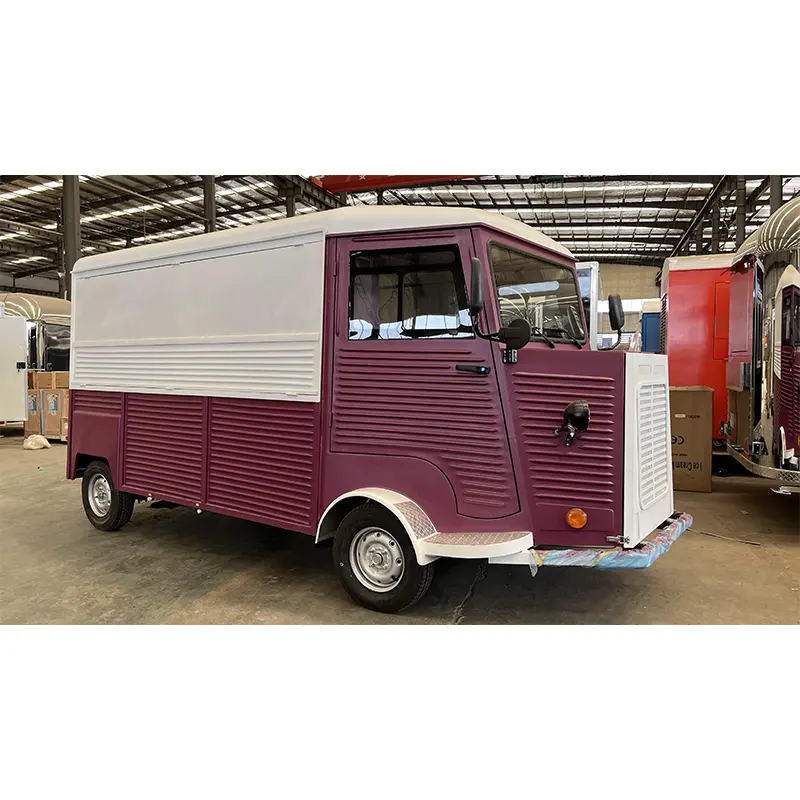
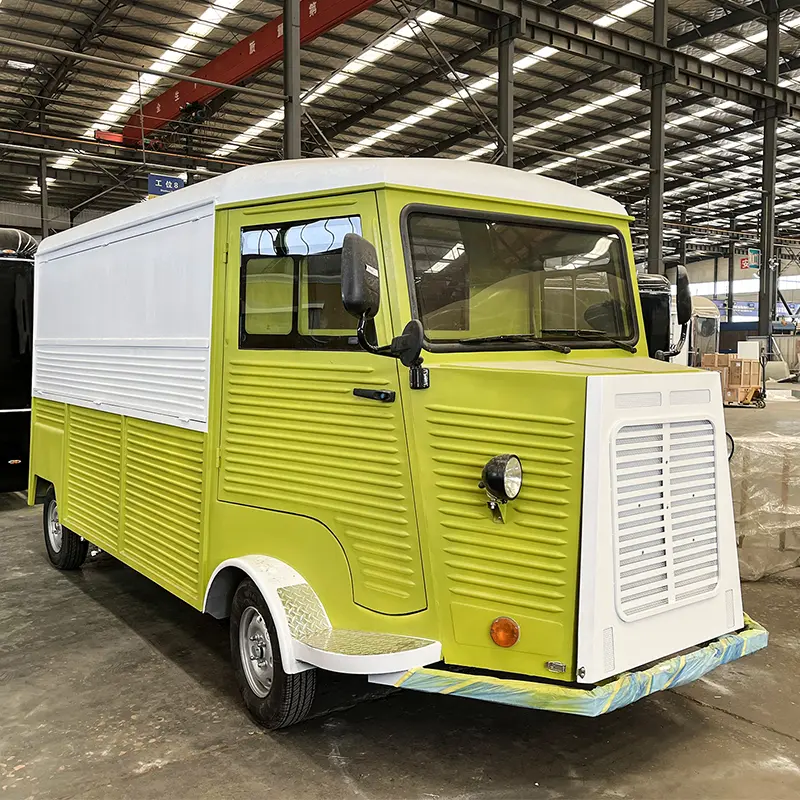
A Vintage H-Van Style Food Truck is a mobile food service vehicle inspired by the classic European H-Van design. Recognized for its rounded body, ribbed exterior panels, distinctive front profile, and nostalgic appearance, this style brings a timeless character to modern food businesses.

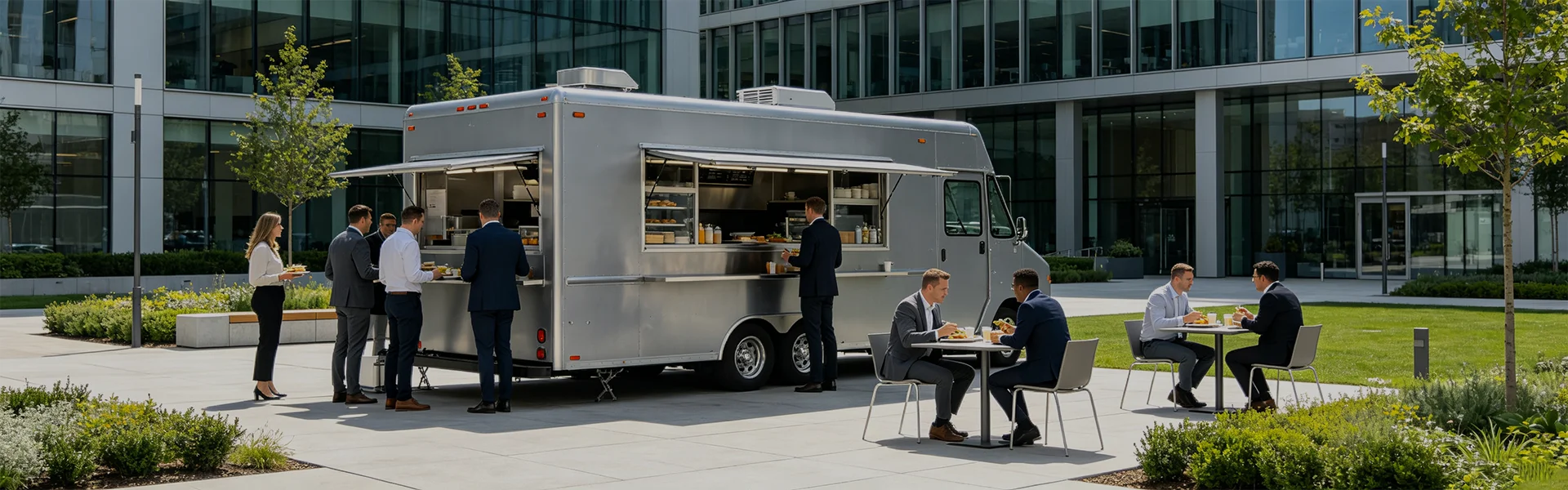
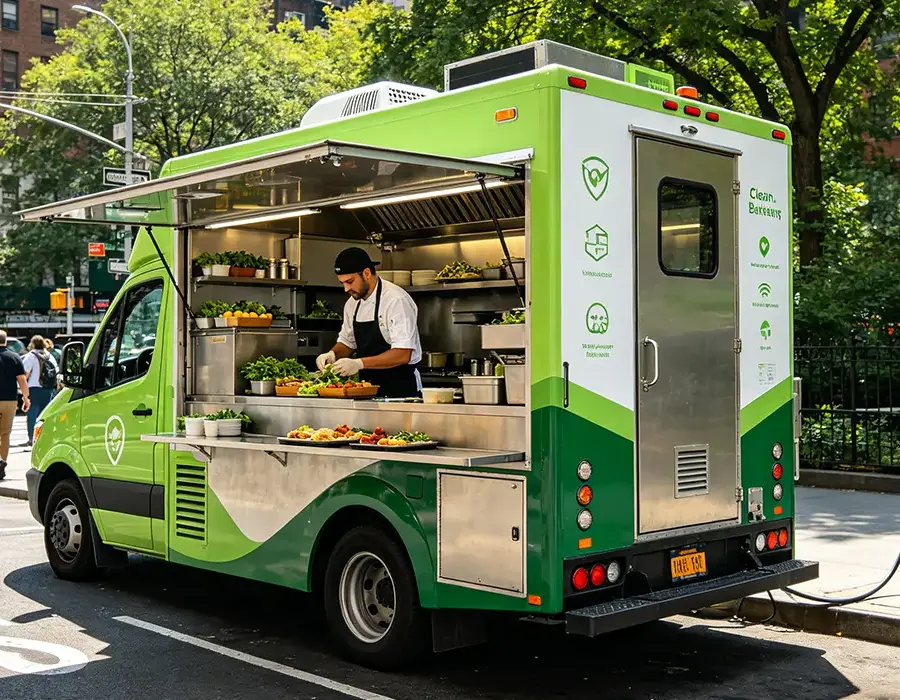
Unlike conventional commercial food trucks that often prioritize utility over appearance, a vintage-inspired model combines visual appeal with practical food preparation and customer service functions. Its exterior can be customized with brand colors, signage, serving windows, decorative details, and lighting.

The design is particularly attractive to businesses that want to create memorable customer experiences. A retro food truck can serve as more than a mobile kitchen: it can become a recognizable part of a company's identity.

Key Characteristics of the H-Van Style

  • Retro exterior design: Rounded body lines and classic-inspired styling create a distinctive appearance.
  • Customizable bodywork: Exterior colors, graphics, logos, and decorative features can reflect different brand identities.
  • Functional serving area: A side serving window can make ordering and food delivery more convenient.
  • Modern interior possibilities: Cooking equipment, refrigeration, counters, and storage can be integrated into the design.
  • Flexible business applications: Suitable configurations can support coffee, desserts, snacks, fast food, and catering services.
Important Consideration: A vintage-inspired appearance does not necessarily mean the vehicle uses an original historic H-Van chassis. Many modern products are newly manufactured food trucks designed with classic H-Van styling. Buyers should confirm the actual chassis, powertrain, road registration, and construction specifications before purchasing.

2. Why Is a Vintage H-Van Style Food Truck Popular?

In the competitive mobile catering market, customers often notice a food business before they taste its products. The appearance of a vehicle can influence whether people stop, explore the menu, take photographs, or share their experience online.

2.1 Strong Visual Brand Recognition

Traditional food trucks can look similar, particularly in crowded commercial areas and at large events. A vintage H-Van style vehicle offers a different visual identity. Its distinctive profile helps businesses stand out and gives customers something recognizable to associate with the brand.

For new businesses, this can be useful when building awareness without relying entirely on expensive promotional campaigns.

2.2 An Attractive Customer Experience

Retro design creates a welcoming atmosphere that can complement specialty coffee, artisan desserts, handmade snacks, and street food. Customers may be drawn to the nostalgic appearance even before they know what is on the menu.

2.3 Flexible Business Opportunities

A properly configured vintage food truck can support different business models, including:

  • Mobile coffee bars and specialty beverage services.
  • Ice cream, waffles, and dessert businesses.
  • Burgers, sandwiches, and light meals.
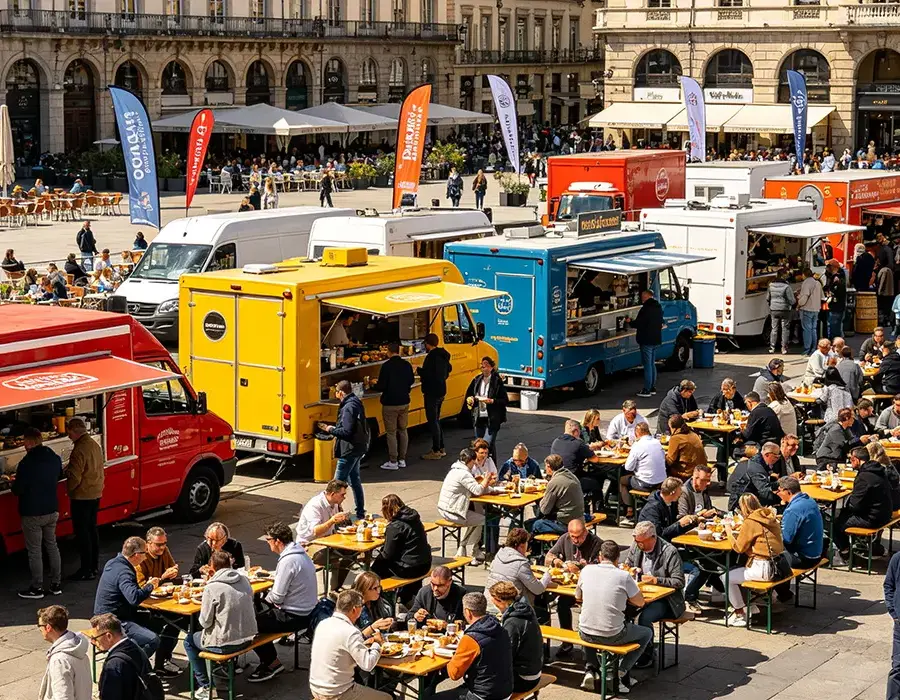
  • Outdoor festivals, exhibitions, and private events.
  • Wedding catering and corporate hospitality.
  • Brand activations and promotional campaigns.

2.4 A Mobile Marketing Asset

A food truck can travel between approved locations, events, and business districts. Its exterior branding remains visible wherever it operates, providing additional opportunities for brand exposure.

However, the actual commercial value depends on location permissions, customer demand, menu quality, operating costs, and service consistency. Attractive styling supports the business, but it cannot replace a well-managed operation.

3. How to Plan the Right Food Truck Layout

Interior layout is one of the most important factors when purchasing a Vintage H-Van Style Food Truck. An attractive vehicle can quickly become difficult to operate if workers cannot move comfortably, equipment is poorly positioned, or storage space is insufficient.

3.1 Start with Your Menu

The menu should determine the equipment and layout, rather than the other way around. A coffee business has different requirements from a burger truck or an ice cream service.

Business Type Essential Equipment Layout Priority
Coffee Truck Espresso machine, grinder, refrigerator, water system Fast beverage preparation and serving counter
Dessert Truck Freezer, display cabinet, preparation counter Temperature control and product display
Burger Truck Griddle, refrigerator, ventilation, handwashing sink Cooking workflow and heat management
Ice Cream Truck Freezer, storage cabinets, serving counter Cold storage and convenient customer access
Snack Truck Fryer or cooking appliance, workbench, refrigerator Preparation space and safe equipment separation

3.2 Create a Logical Workflow

A practical food truck should allow workers to complete tasks with minimal unnecessary movement. A basic workflow may follow this sequence:

  1. Ingredient storage: Raw materials and supplies are kept in designated storage areas.
  2. Preparation: Ingredients are washed, measured, portioned, or assembled.
  3. Cooking or processing: Food is prepared using the appropriate equipment.
  4. Finishing: Products are assembled, packaged, or decorated.
  5. Customer service: Finished orders are transferred to the serving counter.

Separating raw ingredient handling from ready-to-eat food preparation is also important for hygiene and food safety.

3.3 Consider Storage and Working Space

Limited space is a common challenge for mobile kitchens. Buyers should plan for ingredient storage, packaging, cleaning supplies, waste containers, staff movement, and equipment maintenance.

Before confirming a design, request an interior floor plan showing equipment dimensions, aisle widths, door positions, storage capacity, and the location of water and electrical connections.

Practical Tip: Do not fill every available area with equipment. Adequate working space is essential for safe movement, efficient service, and comfortable daily operation.

4. Which Materials and Equipment Matter Most?

Material selection directly affects durability, cleaning requirements, maintenance, and the overall service life of a food truck. A suitable configuration should balance appearance, food hygiene, structural strength, and operating conditions.

4.1 Exterior Body Materials

The exterior is constantly exposed to sunlight, rain, road debris, temperature changes, and frequent cleaning. Buyers should evaluate the body material, surface treatment, corrosion resistance, and construction quality.

Common material considerations include:

  • Stainless steel: Useful for selected structural and functional components where corrosion resistance is important.
  • Aluminum: Can help reduce body weight while providing good corrosion resistance when properly designed and finished.
  • Steel: Offers structural strength but requires appropriate corrosion protection.
  • Composite panels: May be used in selected body or interior applications depending on structural and fire-safety requirements.

4.2 Interior Food Preparation Surfaces

Food-contact and food-preparation surfaces should be smooth, durable, non-toxic, and easy to clean. Stainless steel is commonly used for commercial kitchen worktops, sinks, and selected equipment surfaces.

Buyers should also check joints, corners, drainage areas, and connections. Poorly finished gaps can collect dirt and make routine sanitation more difficult.

4.3 Essential Equipment Systems

Beyond cooking appliances, a complete mobile kitchen may require several supporting systems.

  • Electrical system: Designed to support the total electrical load of installed appliances.
  • Water system: Includes suitable fresh-water storage, wastewater collection, plumbing, and handwashing facilities.
  • Ventilation system: Appropriate extraction and ventilation for cooking processes that generate heat, smoke, or grease.
  • Refrigeration: Maintains suitable storage temperatures for ingredients and prepared products.
  • Lighting: Provides sufficient visibility for food preparation and customer service.
  • Fire safety: Includes suitable fire extinguishers and other required protection based on the cooking equipment and local regulations.

4.4 Check Vehicle Performance

For road-going models, the vehicle's mechanical and structural specifications are just as important as the kitchen equipment. Buyers should confirm the engine or motor specifications, braking system, suspension, tire capacity, payload, overall dimensions, and applicable road certification.

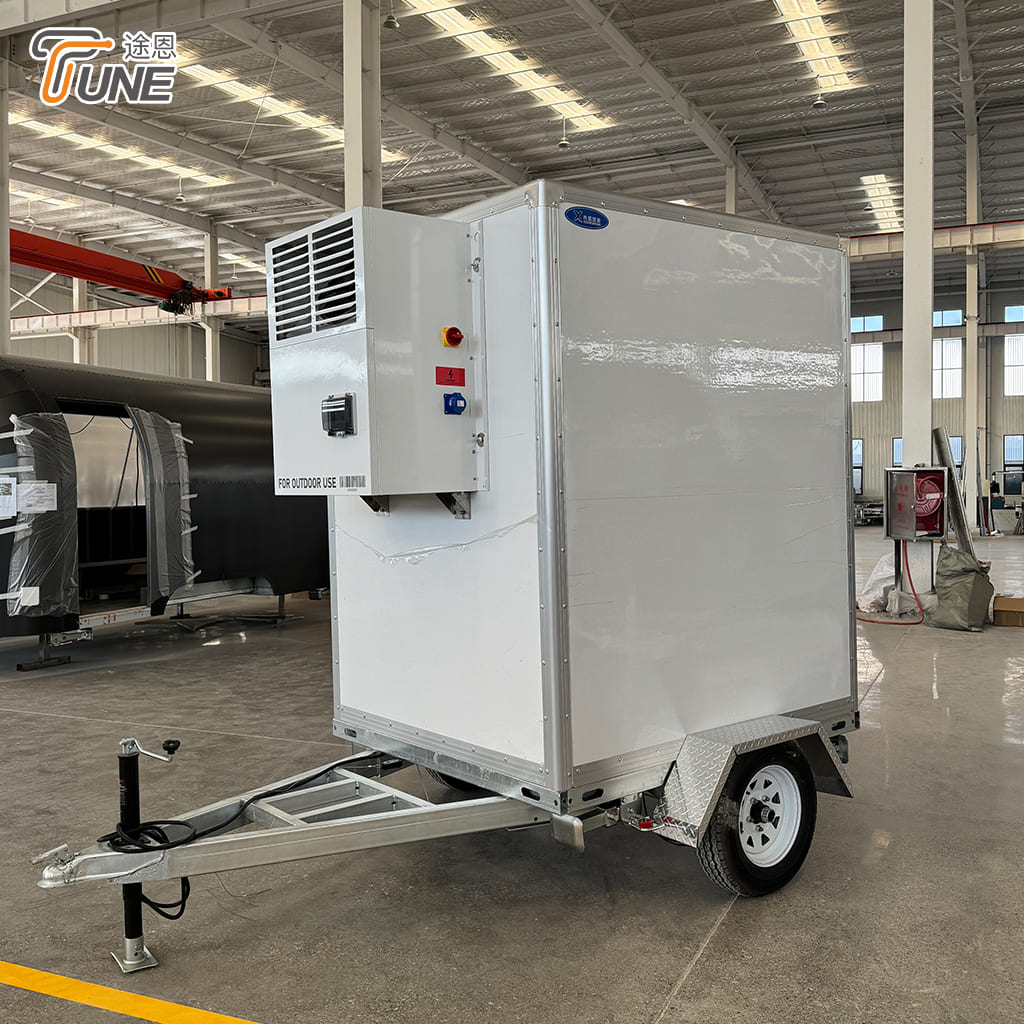
For stationary or towable models, towing compatibility, support legs, weight distribution, and transportation arrangements should also be reviewed.

5. How to Customize Your Vintage Food Truck

Customization allows businesses to transform a standard vehicle concept into a distinctive commercial space. The most effective design choices connect the exterior appearance with the target customers, menu, and brand positioning.

5.1 Choose a Consistent Color Scheme

Vintage-inspired designs often use cream, pastel blue, mint green, soft yellow, burgundy, or classic red. These colors can create a nostalgic atmosphere while making the vehicle visually recognizable.

Rather than using too many colors, select a primary brand color, one complementary color, and a suitable accent.

5.2 Add Custom Branding

Exterior graphics should communicate the business name and main product category clearly. A good branding arrangement may include:

  • Company logo and business name.
  • Product category or signature menu items.
  • Brand colors and distinctive graphic elements.
  • Website or social media contact details.
  • Readable menu boards and pricing information.

5.3 Design a Functional Serving Window

The serving window is a key connection point between the business and its customers. It should be positioned at a convenient height, provide sufficient working space, and include suitable protection against weather where necessary.

Lighting around the serving area can improve visibility during evening events. A retractable awning may also help provide shade and protect customers from light rain.

5.4 Match the Interior to the Brand Experience

The interior design should be visually consistent with the exterior while remaining practical. Decorative lighting, clean counters, organized storage, and carefully selected finishes can contribute to a professional customer experience.

However, decorative elements should never interfere with food hygiene, ventilation, equipment access, or staff movement.

6. How to Improve Daily Operating Efficiency

A well-designed food truck should make daily tasks easier, from opening preparation to cleaning and closing. Operational efficiency can reduce unnecessary labor, improve order accuracy, and help businesses serve more customers during busy periods.

6.1 Prepare for Peak Hours

Identify the most frequently ordered products and organize ingredients and packaging around those items. Pre-portioning suitable ingredients, preparing packaging, and checking equipment before opening can reduce delays.

6.2 Maintain Food Safety

Food safety should remain a priority regardless of the size or style of the vehicle. Businesses should establish procedures for:

  • Checking and recording refrigeration temperatures.
  • Separating raw and ready-to-eat ingredients.
  • Cleaning and sanitizing food-contact surfaces.
  • Maintaining proper handwashing facilities.
  • Managing fresh water and wastewater.
  • Storing food at appropriate temperatures.

6.3 Establish a Regular Maintenance Schedule

Preventive maintenance helps reduce unexpected interruptions. Check the vehicle, kitchen equipment, plumbing, electrical connections, refrigeration, and ventilation systems regularly.

Maintenance Area Recommended Check Purpose
Vehicle Brakes, tires, lights, engine, suspension Safe transportation
Electrical System Cables, sockets, breakers, connections Reliable power supply
Water System Tanks, pipes, pumps, drainage Clean water and proper drainage
Refrigeration Temperature, seals, ventilation Food storage reliability
Kitchen Equipment Cleaning, operating condition, wear Consistent food preparation

6.4 Make Customer Service Convenient

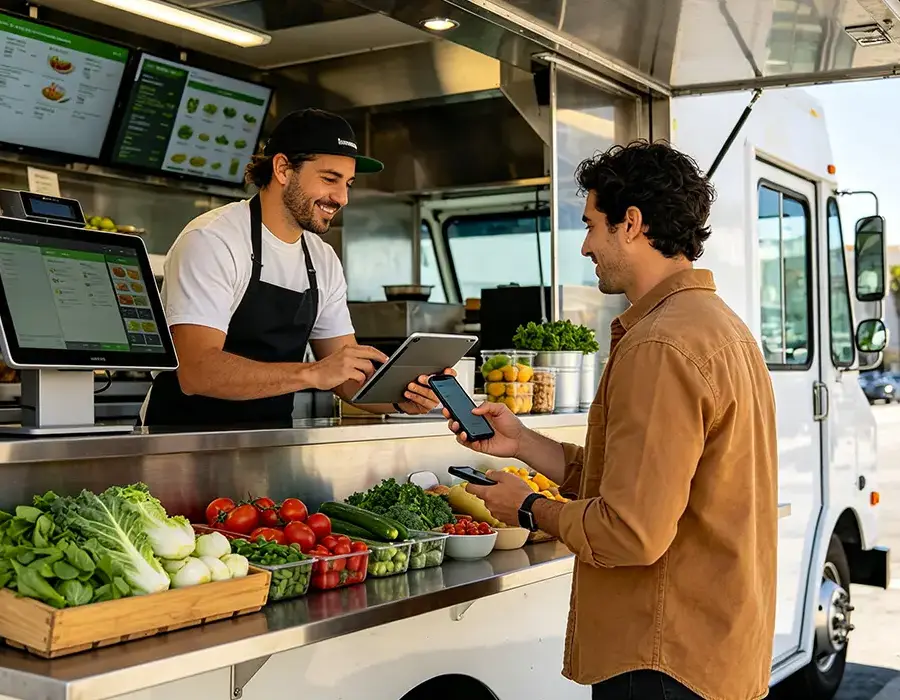
A clear menu, visible prices, organized pickup area, and efficient payment process can improve the customer experience. For busy events, separating the ordering and pickup areas may help reduce congestion where the vehicle design allows it.

7. How to Choose a Reliable Food Truck Manufacturer

Selecting the right manufacturer is one of the most important decisions in purchasing a Vintage H-Van Style Food Truck. A supplier should understand both vehicle construction and the practical requirements of commercial food service.

7.1 Review Manufacturing Capabilities

Ask whether the manufacturer can provide customized exterior styling, interior layouts, equipment installation, electrical systems, plumbing, and branding solutions. Experience with similar mobile food service projects is especially valuable.

7.2 Request Detailed Technical Specifications

Do not rely only on promotional photographs. Request documentation covering:

  • Overall vehicle dimensions and weight.
  • Chassis and powertrain specifications, where applicable.
  • Body materials and construction details.
  • Kitchen equipment models and specifications.
  • Electrical capacity and water system design.
  • Ventilation and fire-safety arrangements.
  • Warranty coverage and maintenance support.
  • Applicable certifications and registration documents.

7.3 Evaluate Customization and Communication

A professional supplier should be able to understand your business model and translate your requirements into a workable design. Clear drawings, equipment lists, production schedules, and written quotations help avoid misunderstandings.

7.4 Work with an Experienced Supplier

Qingdao Tune Technology Co., Ltd. can be included in the supplier evaluation process when exploring customized Vintage H-Van Style Food Truck solutions. Buyers should discuss their intended application, preferred appearance, required equipment, operating location, and technical specifications to determine the most suitable configuration.

Before placing an order, confirm the actual product specifications, production scope, delivery arrangements, warranty terms, and relevant compliance documentation directly with the supplier.

Buyer Checklist: A reliable purchasing decision should be based on technical documentation, construction quality, customization capabilities, transparent pricing, delivery commitments, and after-sales support rather than appearance or price alone.

8. Common Purchasing Mistakes to Avoid

Purchasing a mobile food truck involves several decisions that can affect long-term operating costs. Avoiding the following mistakes can help buyers reduce unnecessary expenses and improve project planning.

Mistake 1: Choosing Appearance Over Functionality

A beautiful exterior cannot compensate for an inefficient kitchen. Always review the interior layout, equipment positions, working space, and storage capacity before approving the design.

Mistake 2: Underestimating Equipment Requirements

Some buyers select equipment based only on initial cost. However, inadequate electrical capacity, insufficient refrigeration, or poorly selected cooking appliances may create problems during daily operation.

Mistake 3: Ignoring Weight and Space Limitations

Additional equipment, water tanks, ingredients, and storage can increase the vehicle's total weight. Confirm the permitted payload and weight distribution before adding equipment.

Mistake 4: Overlooking Local Regulations

Vehicle registration, roadworthiness, food business licensing, fire protection, electrical safety, and food hygiene requirements differ by country and operating location. Buyers should confirm local requirements before manufacturing or importing a vehicle.

Mistake 5: Failing to Confirm the Final Configuration

Verbal agreements can lead to misunderstandings about equipment, materials, colors, dimensions, and delivery scope. Request a final written specification and approved drawings before production begins.

9. Is a Vintage H-Van Style Food Truck a Good Investment?

A Vintage H-Van Style Food Truck can be a valuable business asset for entrepreneurs who want a distinctive mobile food service concept. Its retro styling can support brand recognition, while its customizable interior allows different food and beverage operations.

Nevertheless, profitability depends on more than the initial vehicle purchase. Business owners should consider the complete cost structure before making a decision.

Important Costs to Evaluate

  • Vehicle purchase or manufacturing cost.
  • Kitchen equipment and customization expenses.
  • Transportation, import duties, and taxes.
  • Licensing, registration, and inspection fees.
  • Ingredients, packaging, and staff wages.
  • Fuel, electricity, maintenance, and insurance.
  • Event participation and location rental fees.
  • Marketing and ongoing operating expenses.

Evaluate Your Business Potential

Before purchasing, estimate the average order value, expected daily sales, operating days per month, and variable costs. Compare these figures with fixed expenses to understand the sales volume needed to cover costs.

For example, a coffee truck operating near office buildings may have a different customer pattern from a dessert truck attending weekend festivals. The vehicle configuration, menu, storage capacity, and service window should reflect the intended sales environment.

Ultimately, the best Vintage H-Van Style Food Truck is not necessarily the most expensive or visually elaborate model. It is the one that matches the business plan, provides a practical working environment, and meets the technical and regulatory requirements of its operating market.

10. Frequently Asked Questions

Q1: What is a Vintage H-Van Style Food Truck?

A Vintage H-Van Style Food Truck is a mobile food service vehicle inspired by the classic H-Van design. It combines retro exterior styling with modern food preparation, storage, and customer service facilities.

Q2: What types of businesses can use a vintage food truck?

It can be configured for coffee, ice cream, desserts, burgers, sandwiches, snacks, mobile catering, exhibitions, and promotional events, depending on its interior equipment and layout.

Q3: Can a Vintage H-Van Style Food Truck be customized?

Yes. Customization may include exterior colors, logos, graphics, serving windows, interior layouts, kitchen equipment, storage cabinets, lighting, and other functional features. The available options depend on the manufacturer's capabilities and the vehicle design.

Q4: What equipment does a mobile food truck need?

Common equipment includes preparation counters, refrigerators, freezers, sinks, water tanks, electrical systems, lighting, and cooking appliances. The exact configuration depends on the menu and local food safety requirements.

Q5: How do I choose the right size food truck?

Consider the number of workers, menu complexity, equipment dimensions, storage requirements, customer volume, vehicle weight limits, and available operating space. A detailed floor plan can help determine the appropriate size.

Q6: Are vintage-style food trucks suitable for outdoor events?

Yes. They can be used at festivals, markets, exhibitions, private events, and outdoor catering locations, provided that the vehicle has the required equipment and meets local operating and safety regulations.

Q7: What should I check before ordering a customized food truck?

Review the technical specifications, vehicle dimensions, body materials, equipment list, electrical and water systems, ventilation, safety features, warranty, delivery arrangements, and applicable certification requirements.

Q8: How long does it take to manufacture a customized food truck?

Production time varies according to vehicle type, customization complexity, equipment availability, and manufacturing arrangements. Buyers should request a project-specific production schedule and confirm the delivery timeline with the supplier.

Q9: Is a vintage-inspired food truck suitable for a new business?

It can be suitable for startups because it offers a mobile business format and a distinctive brand presentation. However, entrepreneurs should evaluate their target market, startup budget, operating permits, menu, and expected sales before investing.

Q10: Why should I work with a professional food truck manufacturer?

An experienced manufacturer can help coordinate vehicle design, interior layout, equipment installation, material selection, and customization. This can make it easier to develop a food truck that meets the operational needs of a specific business.

Build Your Own Vintage H-Van Style Food Truck

Ready to bring your mobile food business idea to life? The right food truck should reflect your brand, support your menu, and make everyday operations easier. Qingdao Tune Technology Co., Ltd. is a supplier to contact when exploring customized food truck solutions.

Whether you are planning a retro coffee truck, a mobile dessert shop, or a customized catering vehicle, share your design ideas and technical requirements to discuss a suitable solution.

Contact Us Today
```
Related News
Leave me a message
X
We use cookies to offer you a better browsing experience, analyze site traffic and personalize content. By using this site, you agree to our use of cookies. Privacy Policy
RejectAccept