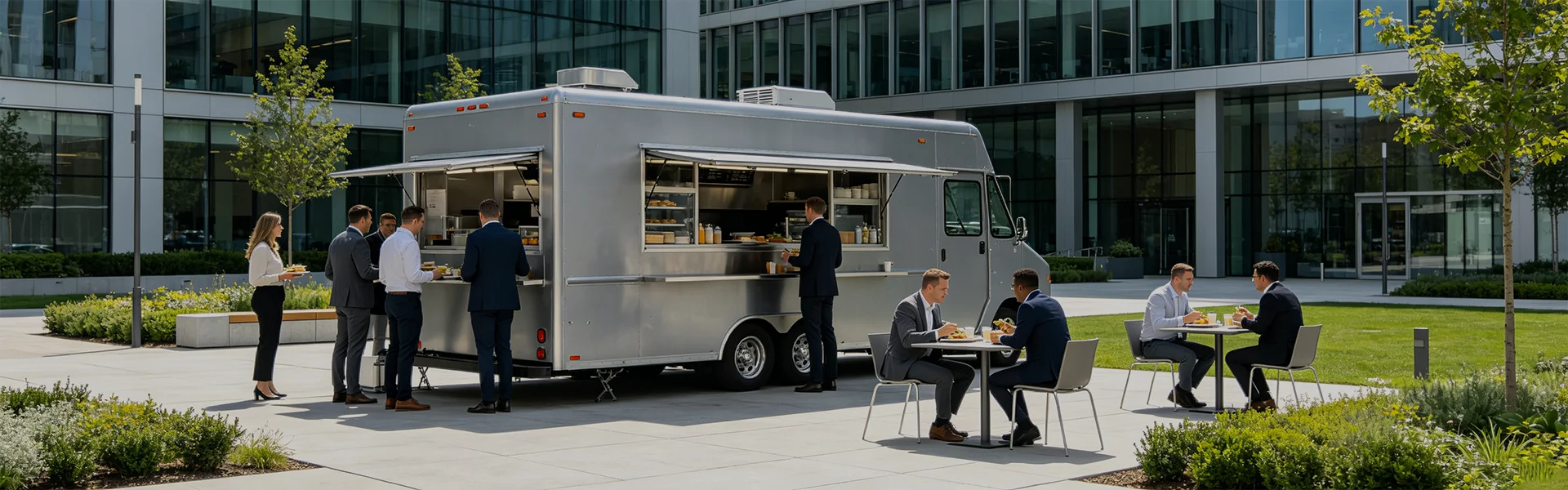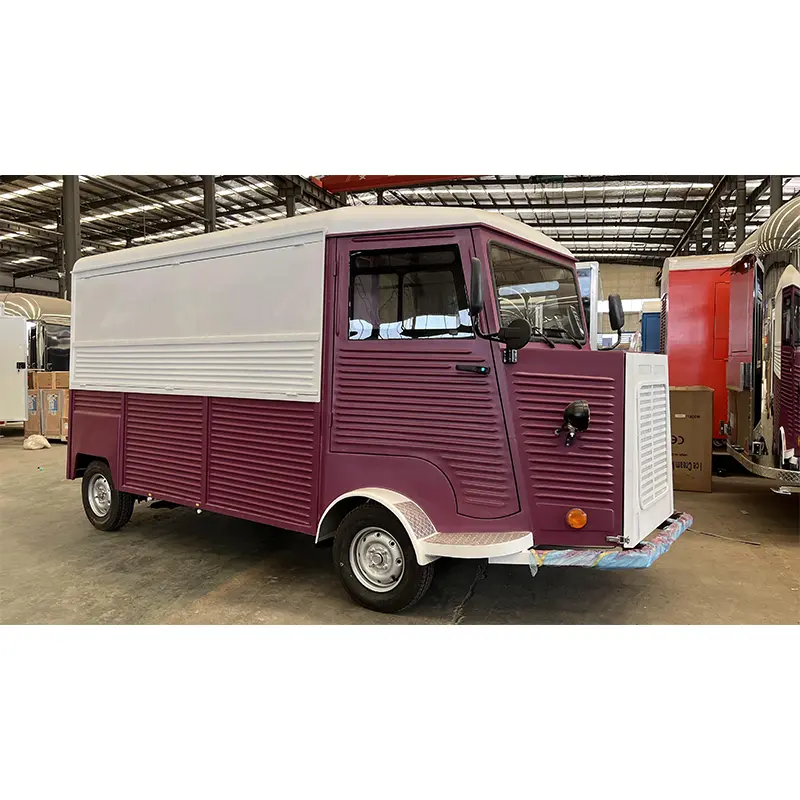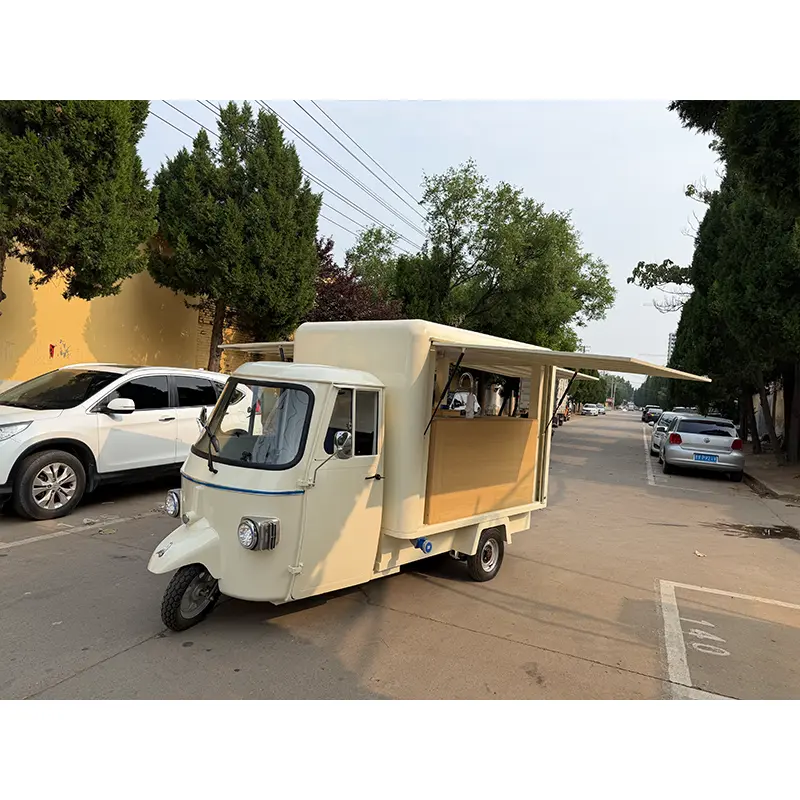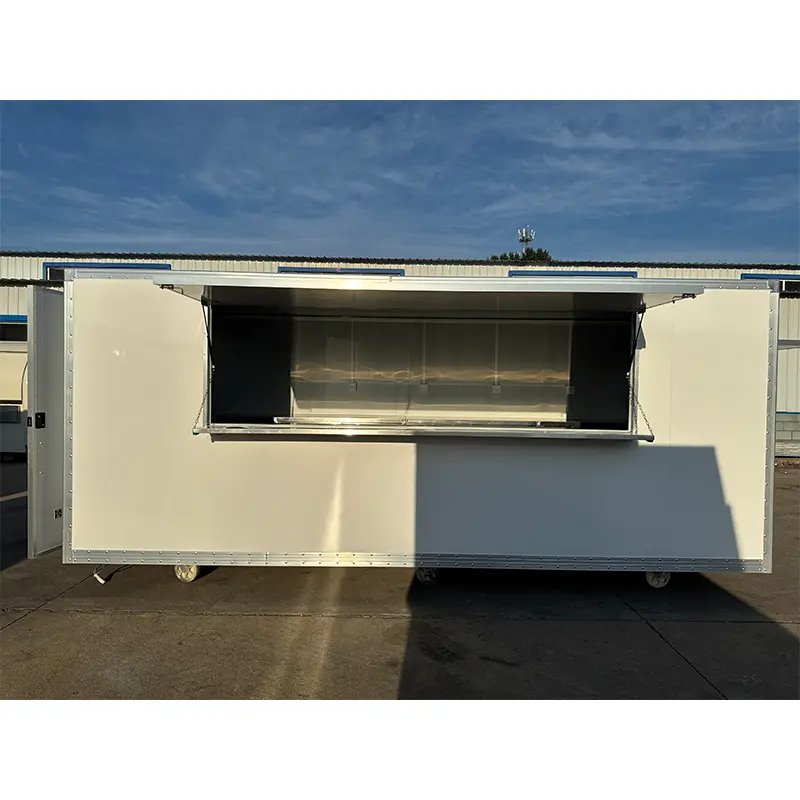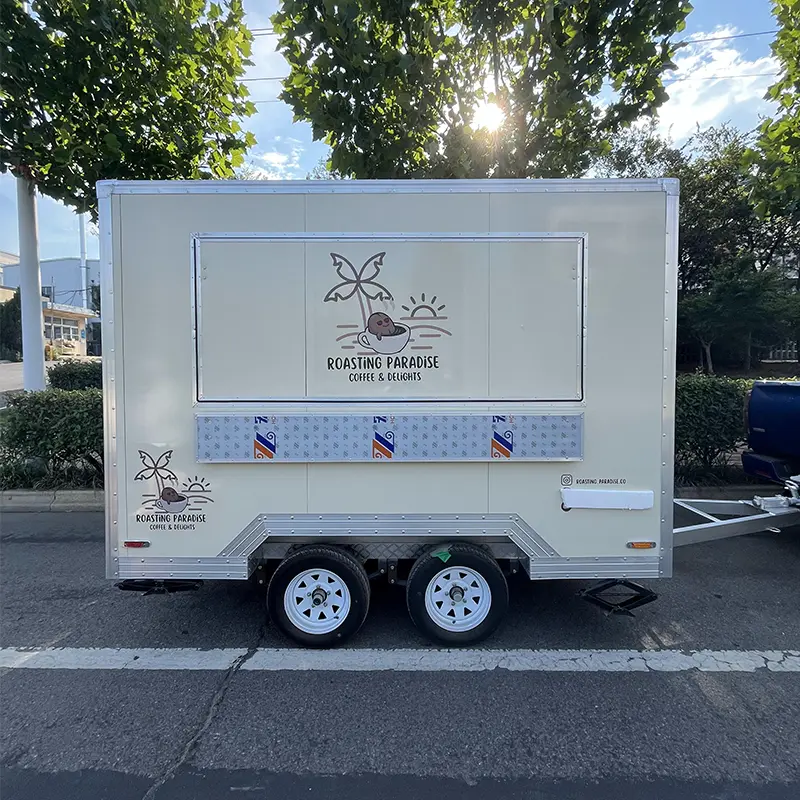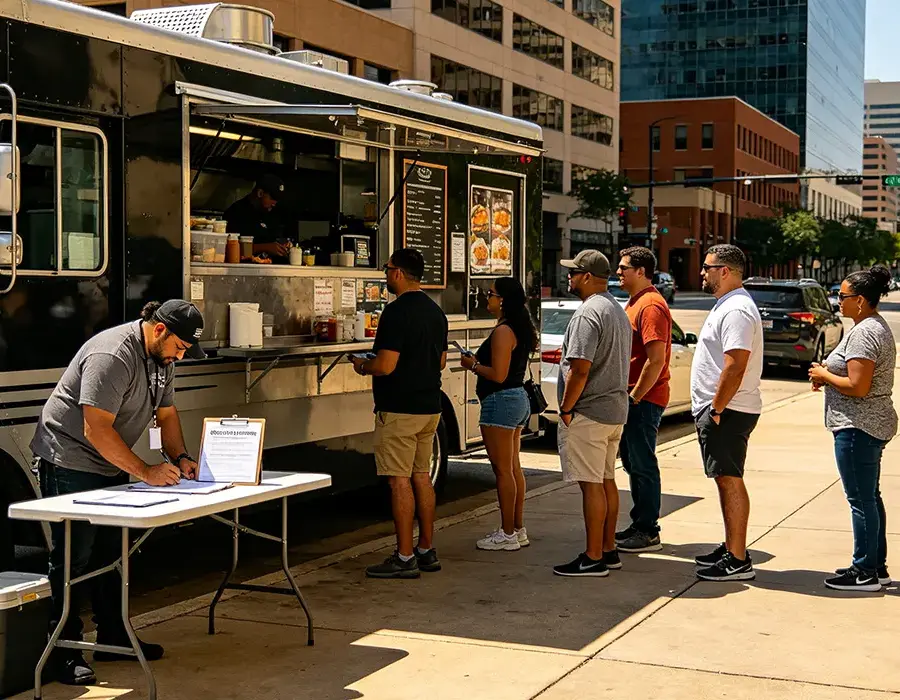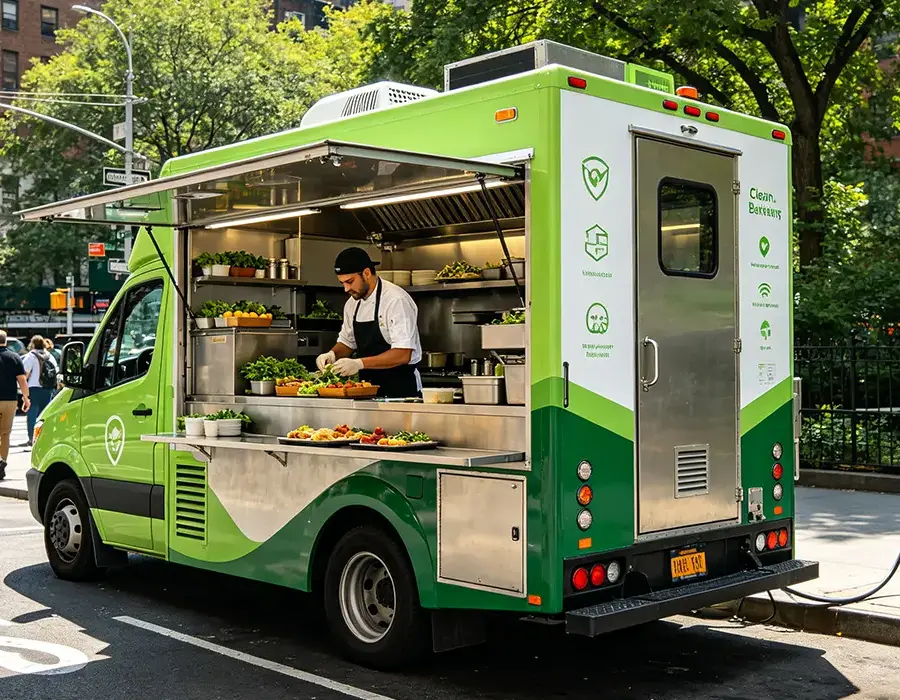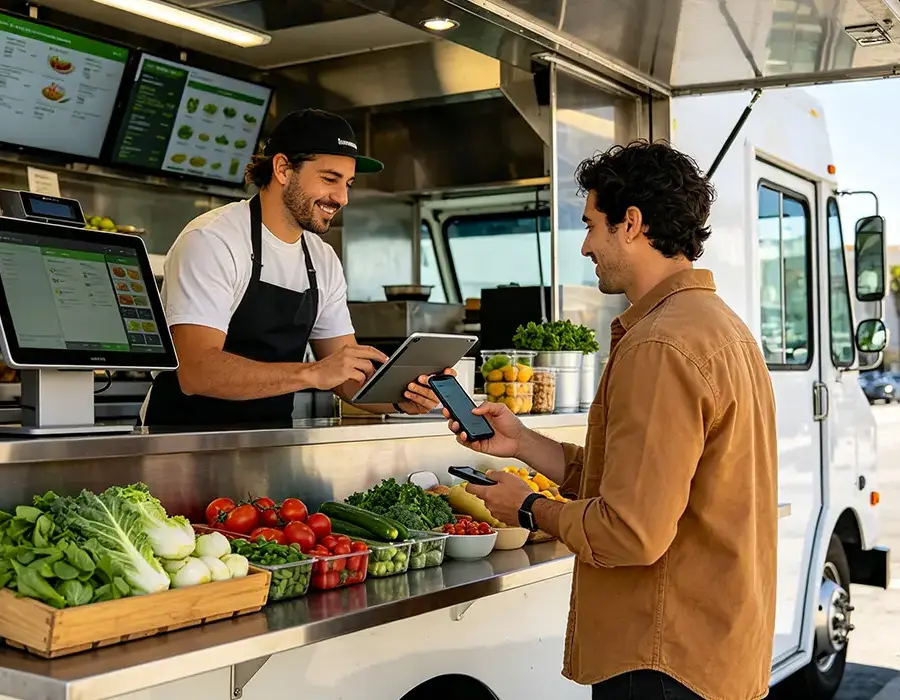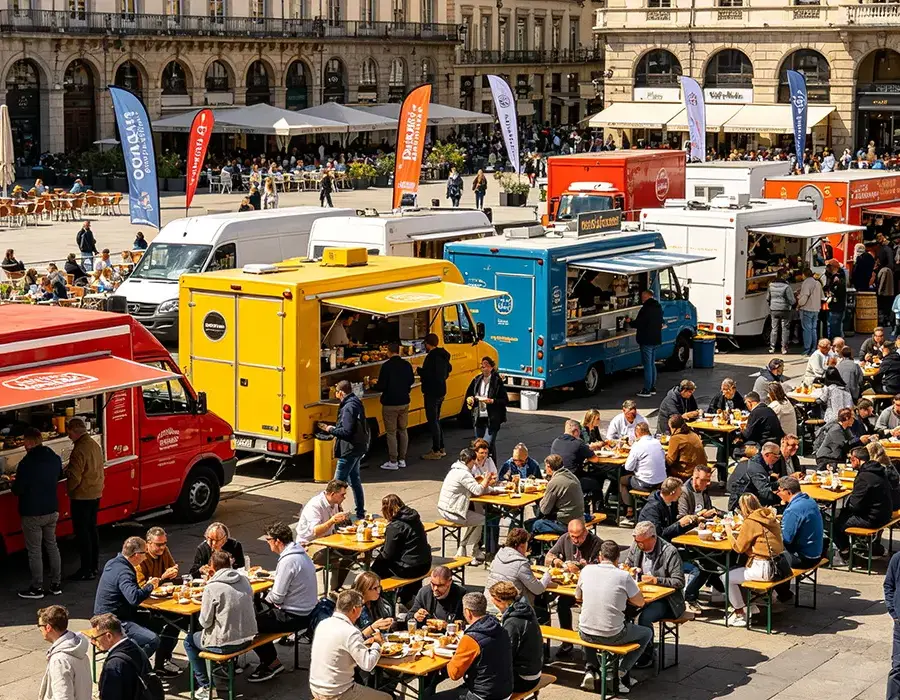
Cities across the United States are accelerating the upgrade of electric food trucks in 2026, phasing out traditional fuel-powered vehicles and noisy generators to reduce urban pollution and noise disturbance. New York City leads the pilot program, with dozens of local food truck vendors adopting fully battery-powered mobile kitchen systems.
Traditional food trucks rely on gasoline generators to support cooking equipment, producing loud noise and exhaust emissions during operation, which has become a long-standing urban environmental problem. The new-generation electric food trucks are equipped with high-capacity rechargeable battery systems, supporting full-day catering operations without fuel combustion. The zero-emission design effectively reduces air pollution, while eliminating generator noise to improve urban street environmental quality.
Florida-based food truck manufacturer Premier Food Trucks launched an upgraded battery-powered kitchen solution in early 2026, optimizing energy conversion efficiency and solving the pain points of short battery life and insufficient power for high-temperature cooking. The new system supports high-power equipment such as fryers, grills, and refrigerators, fully meeting the commercial catering needs of food trucks.
Urban environmental departments indicate that electric food trucks have become a key part of urban green catering transformation. More cities will introduce subsidy policies for electric food truck upgrades in the second half of 2026, encouraging traditional vendors to complete green renovations. Industry insiders predict that electric food trucks will account for over 60% of new mobile catering vehicles by the end of 2027.
We use cookies to offer you a better browsing experience, analyze site traffic and personalize content. By using this site, you agree to our use of cookies. Privacy Policy