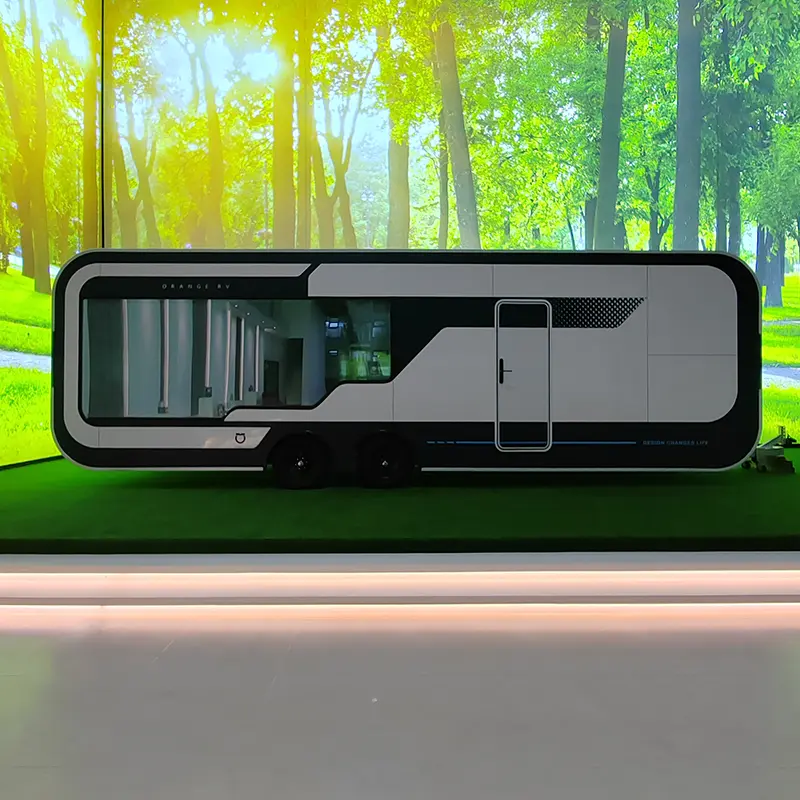
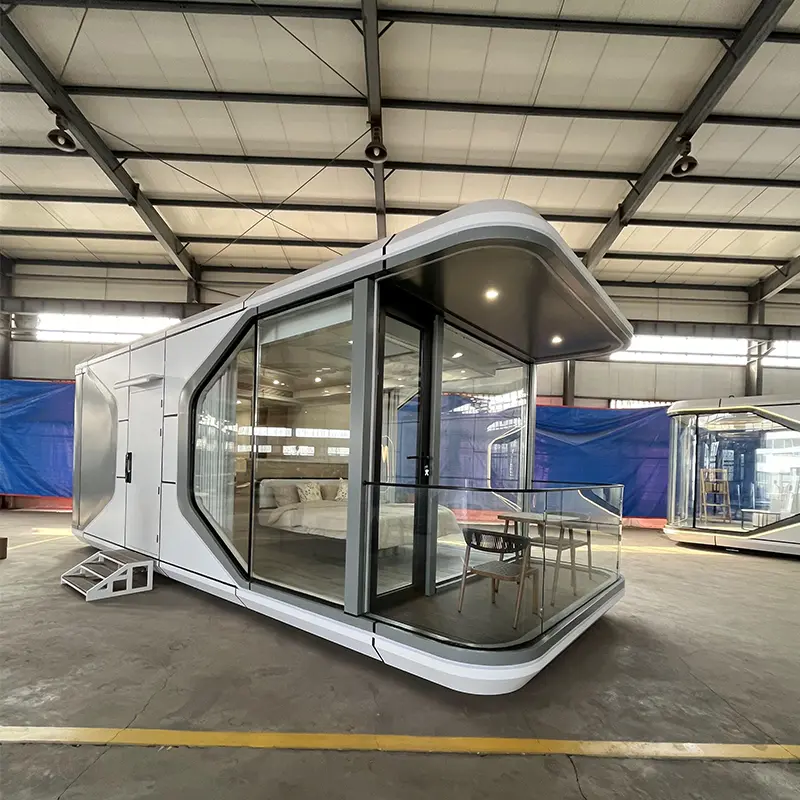
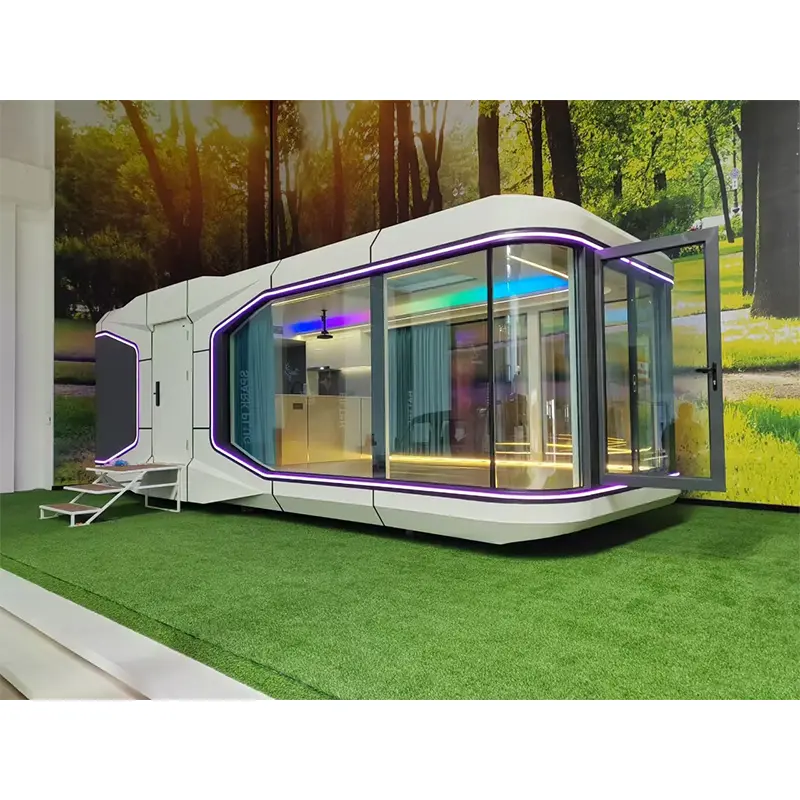
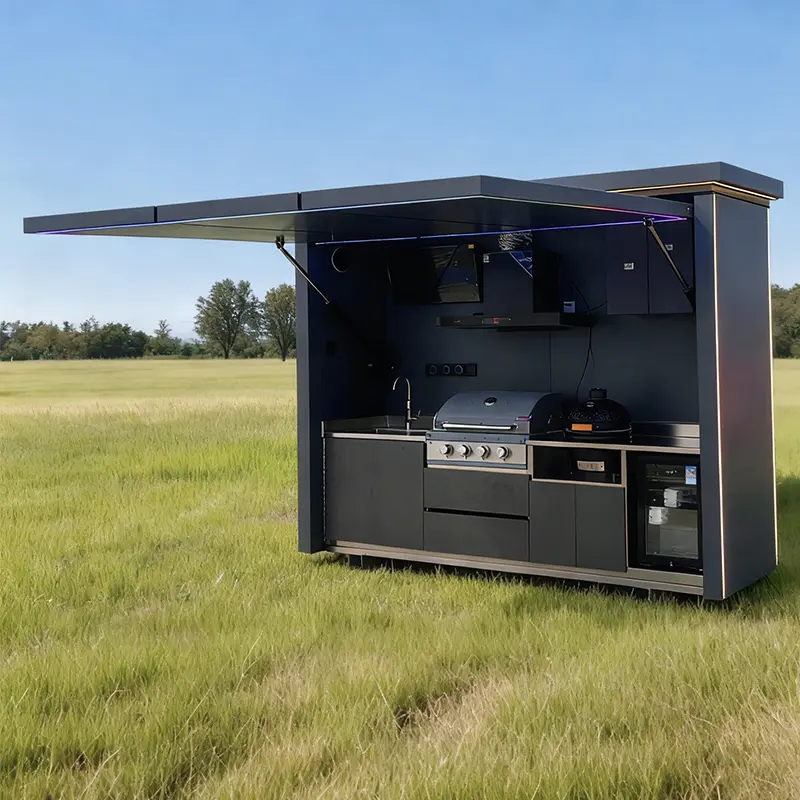
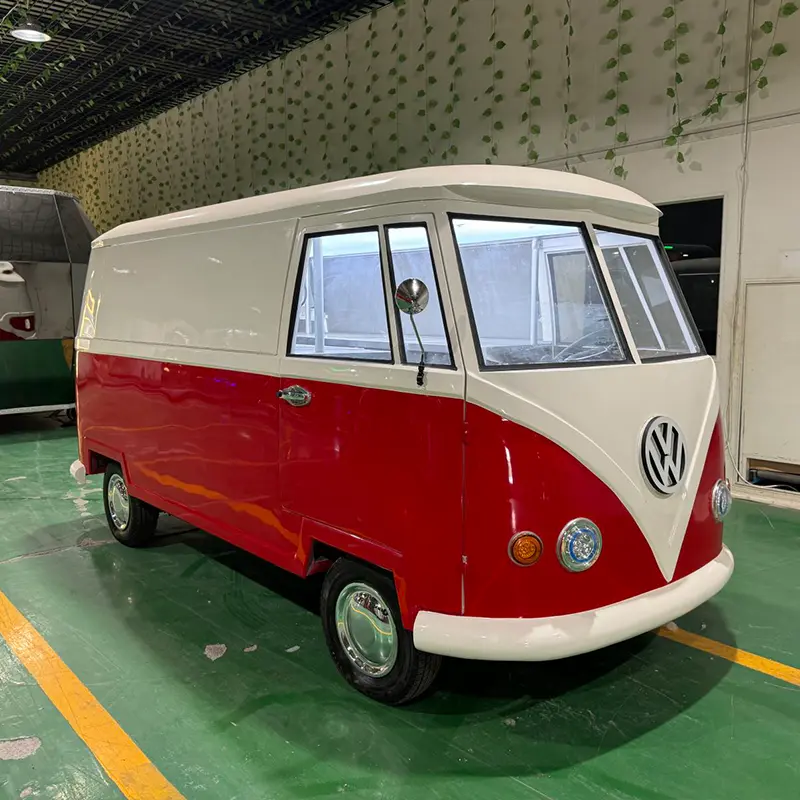
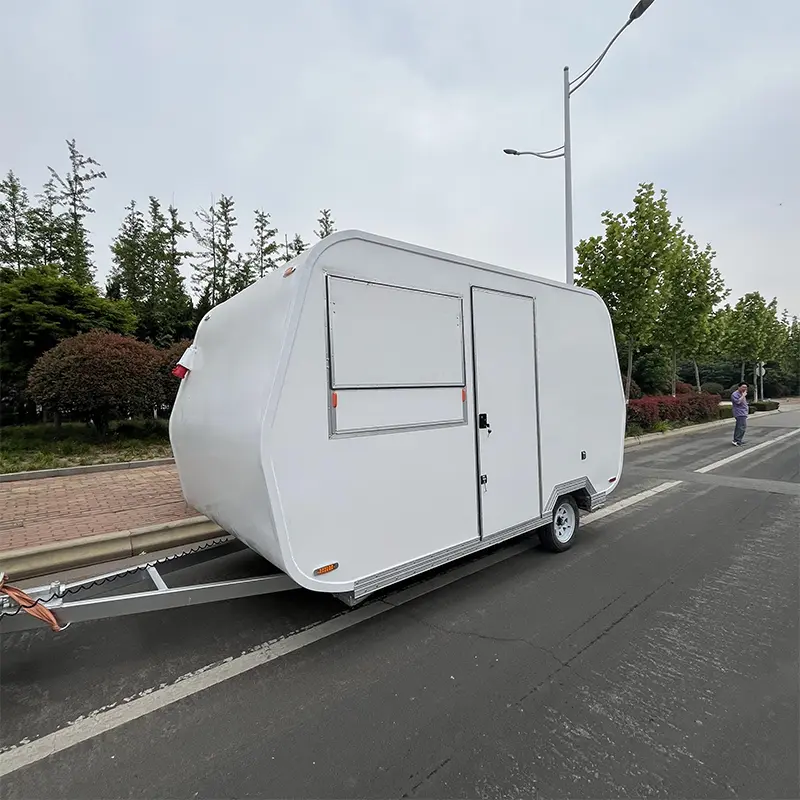
Qingdao Tune Technology Co., Ltd. builds Alloy Food Trailers at its 4,500-square-meter production site in Shandong, China. This model uses a lightweight aluminium alloy body on a galvanized steel chassis. The aluminium shell cuts tare weight, which allows more interior equipment without exceeding local gross mass limits. It is built to align with Australian Design Rules (ADR) for towing, brakes, and lighting, so it can be registered for public road use in Australia and New Zealand. The same chassis and body construction is available without the ADR package in the standard Food Trailer, and smaller towable units are listed under Food Cart.
Aluminium Body and Weight
The body uses structural-grade aluminium panels with extruded alloy corner posts. Compared with a sheet-steel shell, this reduces overall vehicle weight while keeping the body rigid against twisting during transport. The lower tare weight means operators can fit larger equipment, such as double fryers, a larger fridge, or a bigger generator, without exceeding the trailer's rated gross mass. The aluminium surface forms a natural oxide layer, which resists atmospheric corrosion. This suits coastal routes and humid regions where steel panels would rust faster.
Chassis and Running Gear
The subframe is built from cold-formed 100 x 50 x 3.0 mm rectangular hollow structural steel tubing with cross-member bracing. The complete steel subframe is hot-dip galvanized to ASTM A123, giving an 80+ micron zinc coating inside and outside the tubing. This protects the frame against gravel abrasion and road salt. Suspension options include independent tandem rubber torsion axles or heavy-duty leaf springs, matched with commercial radial tires. The trailer is fitted with ADR-approved safety chains, dual-axle electric or electromagnetic drum brakes, a break-away safety switch, and LED road lights.
Insulation
Perimeter walls and ceiling use a multi-layer composite with a 50 mm core of flame-retardant polyurethane or XPS foam. Thermal conductivity is rated at λ ≤ 0.024 W/m·K. The core is sandwiched between an outer aluminium skin and an inner 304 stainless steel liner. This reduces heat transfer from direct sun, lowers air conditioning load, and prevents condensation on interior walls. In cold weather, it also slows heat loss so the cabin stays usable during long shifts.
Electrical System
Each trailer uses an IP65 or IP67 weather-sealed distribution panel built to align with AS/NZS 3000 wiring standards. The panel includes a 30mA residual current device and individual miniature circuit breakers for separate appliance circuits. Copper wiring runs through rigid conduits and connects to shore power inlets suited to the destination market. This allows deep fryers, induction cooktops, griddles, and refrigeration to run at the same time without thermal trips or voltage drops. Generator and solar preparation are available.
Water and Sanitation
Plumbing uses NSF-approved food-contact PEX-B piping connected to dual 100L to 150L polyethylene freshwater and greywater tanks with electronic level sensors. A 12V demand diaphragm pump delivers 4.5 GPM at 50 PSI. The wash station includes a 3-compartment or 4-compartment 304 stainless steel sink with high-swivel faucets, an under-counter grease interceptor, and an instant electric water heater providing water up to 65°C for utensil sanitizing.
Interior Surfaces and Floor
Interior walls, ceiling panels, countertops, and splash zones are clad in 1.0 mm food-grade 304 stainless steel with coved joints. The floor combines marine-grade plywood underlayment with an anti-slip heavy-gauge aluminium checkerplate top layer and integrated drain plugs. These surfaces are designed for end-of-shift hose-down cleaning and reduce the chance of grease collecting in seams.
Ventilation
Each cooking station is fitted with a 304 stainless steel exhaust canopy and removable baffle grease filters. A roof-mounted variable-speed centrifugal blower rated above 1,200 CFM extracts grease vapor, smoke, and heat. Make-up air vents maintain balanced internal pressure, which reduces backdrafts and keeps the cabin cooler during high-output cooking.
Applications
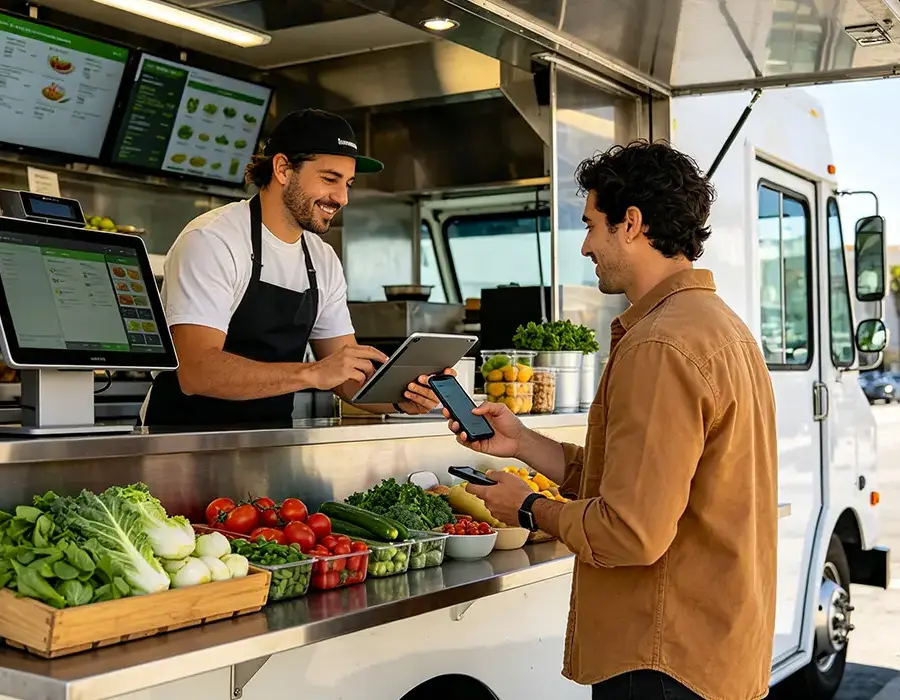
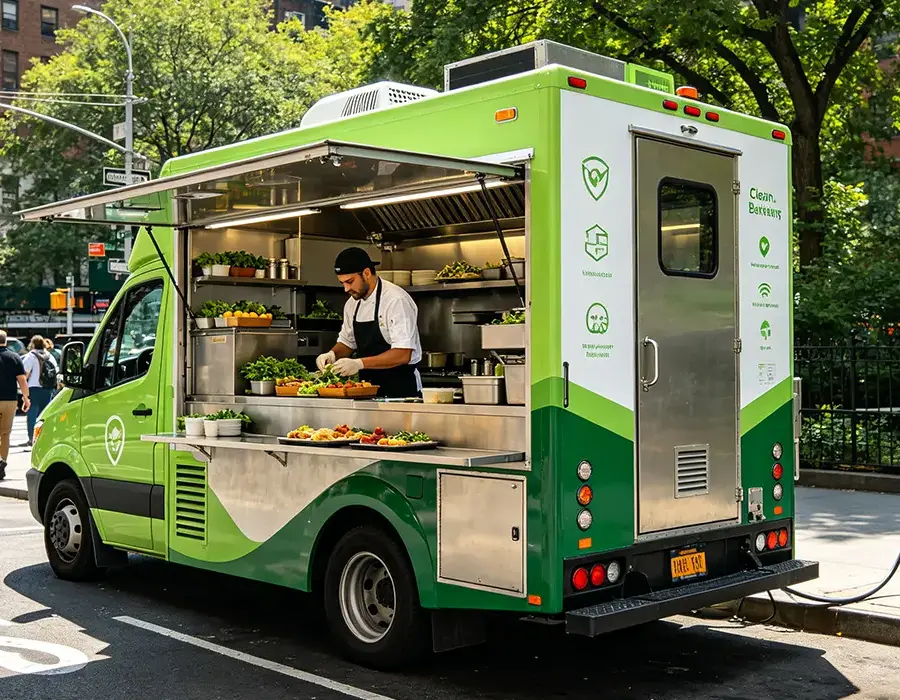
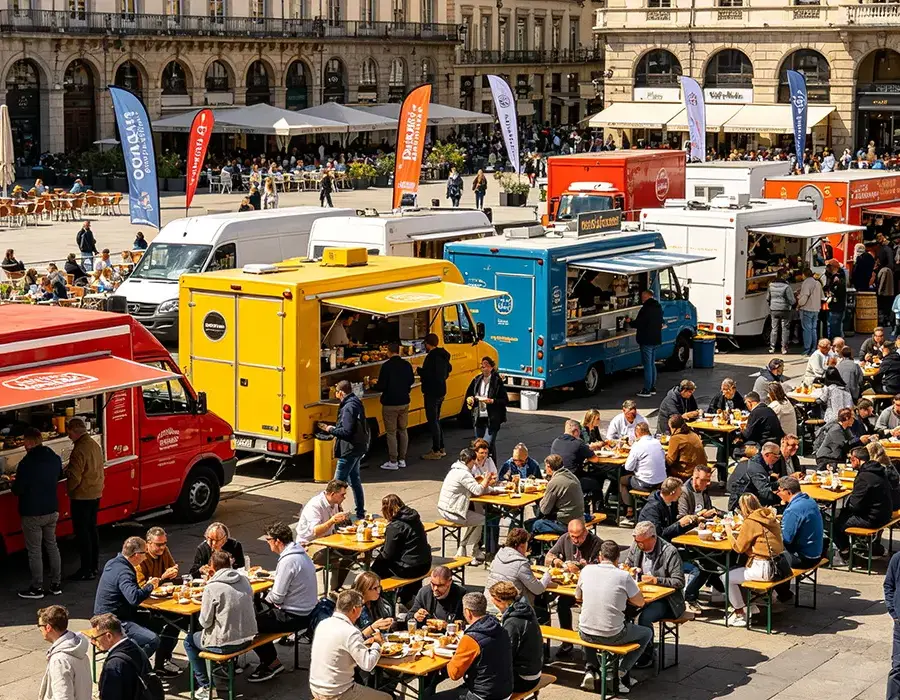
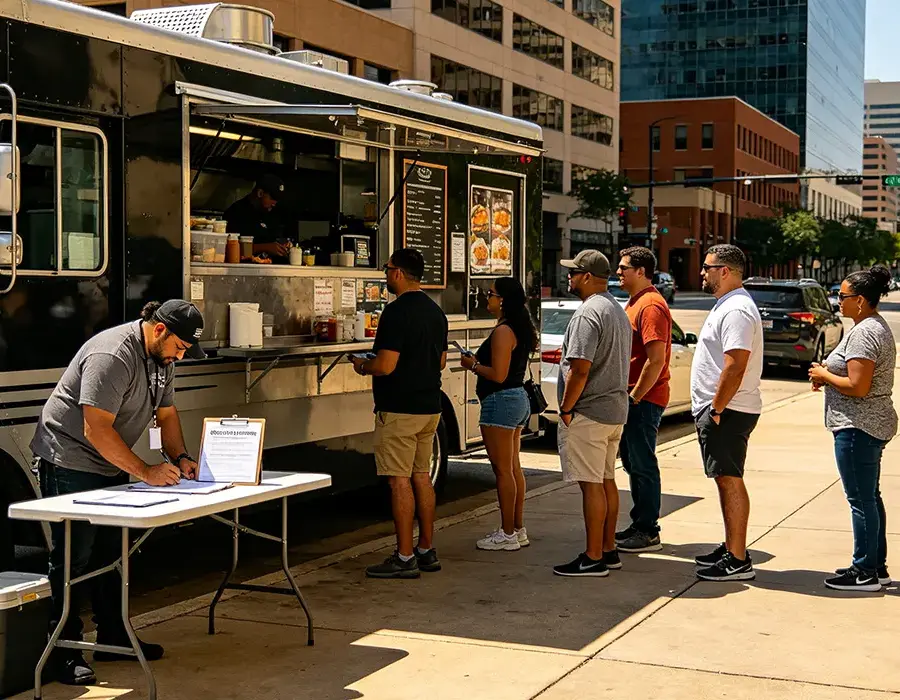
This model is used for burger stations, espresso bars, wood-fired pizza units, craft beer dispensing, and dessert pop-ups. It appears at music festivals, agricultural shows, coastal promenades, and corporate plazas. The aluminium body holds its appearance in salt-air environments, which suits coastal and island routes. The Toilet Trailer covers restroom facilities for the same site.
Testing and Warranty
Before shipment, each trailer goes through a 30-minute deluge test in an environmental chamber. High-pressure water at 35 PSI targets service hatches, doors, and roof seams to check for leaks. Electrical systems undergo insulation resistance testing, and water lines are pressure-tested. Each unit receives a 17-digit VIN on the drawbar, along with electrical schematics and CE/ADR compliance documents. TUNE provides a 12-month structural chassis warranty and international spare parts support.
Certifications and Third-Party Inspection
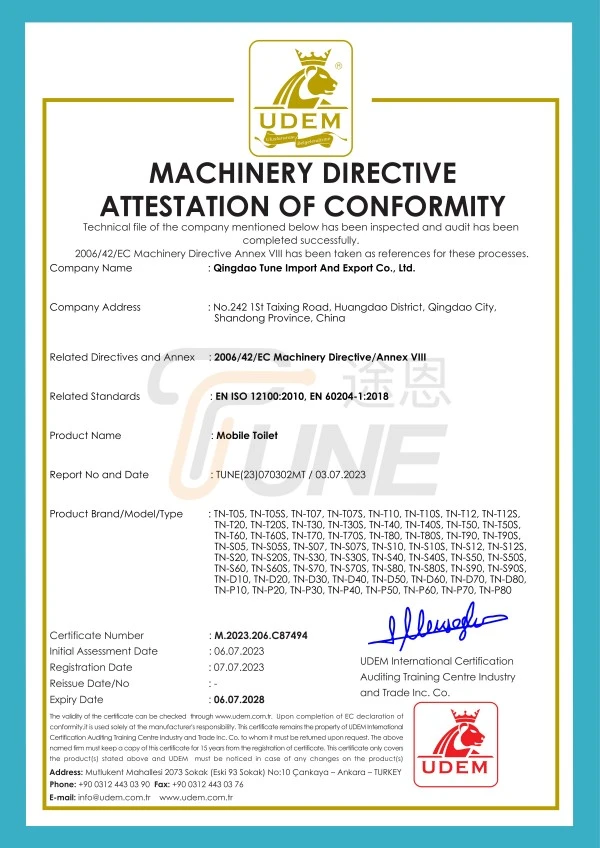
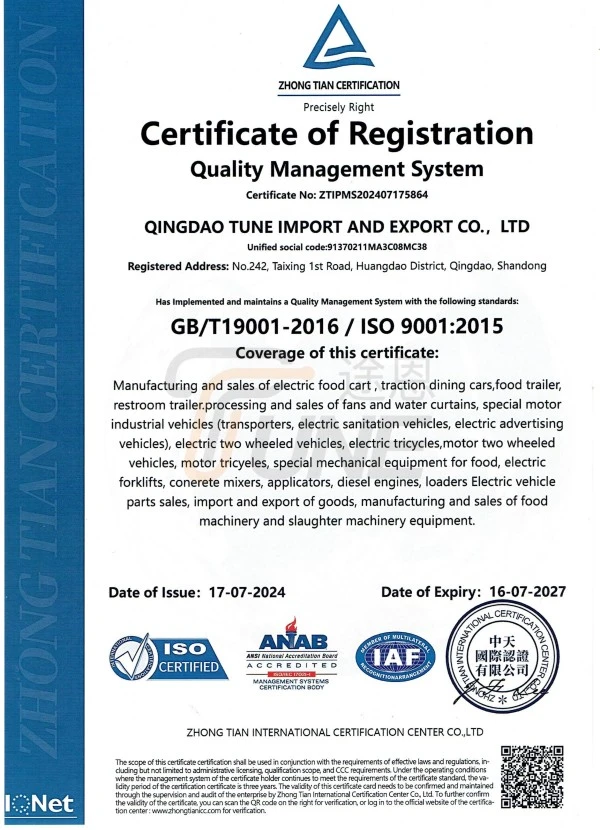
Alloy Food Trailers can be supplied with CE, ISO 9001, DOT, EPR, COC, and NSF-aligned documents where required, plus ADR compliance documentation for the Australia and New Zealand markets. TUNE holds Alibaba Gold Supplier status and has completed regular third-party inspections by SGS and Intertek. Certificate numbers, scope, and validity can be provided before ordering.
FAQ
Q: What does "Alloytype" mean in this model?
A: It refers to the lightweight aluminium alloy body panels and extruded alloy corner posts. The chassis is still galvanized steel. The combination reduces weight while keeping structural rigidity.
Q: Can this trailer be registered in Australia?
A: The trailer is built to align with Australian Design Rules for brakes, lighting, safety chains, and break-away systems. ADR compliance documents are provided to support registration. Final approval is issued by the local state authority.
Q: How much lighter is the aluminium body?
A: Weight savings depend on length and equipment. In general, the aluminium shell cuts tare weight compared with a steel shell of the same size, which allows more payload for kitchen equipment.
Q: Does the aluminium body dent easily?
A: Aluminium panels resist dents differently from steel. The structural-grade panels used here are thicker than cosmetic sheet and are supported by an internal frame. Minor dents can usually be repaired by a panel shop.
Q: What after-sales support is included?
A: TUNE offers a 12-month structural chassis warranty, remote technical support, and shipment of common spare parts such as water pumps, brake components, LEDs, and circuit breakers. Specific terms are stated in the contract.