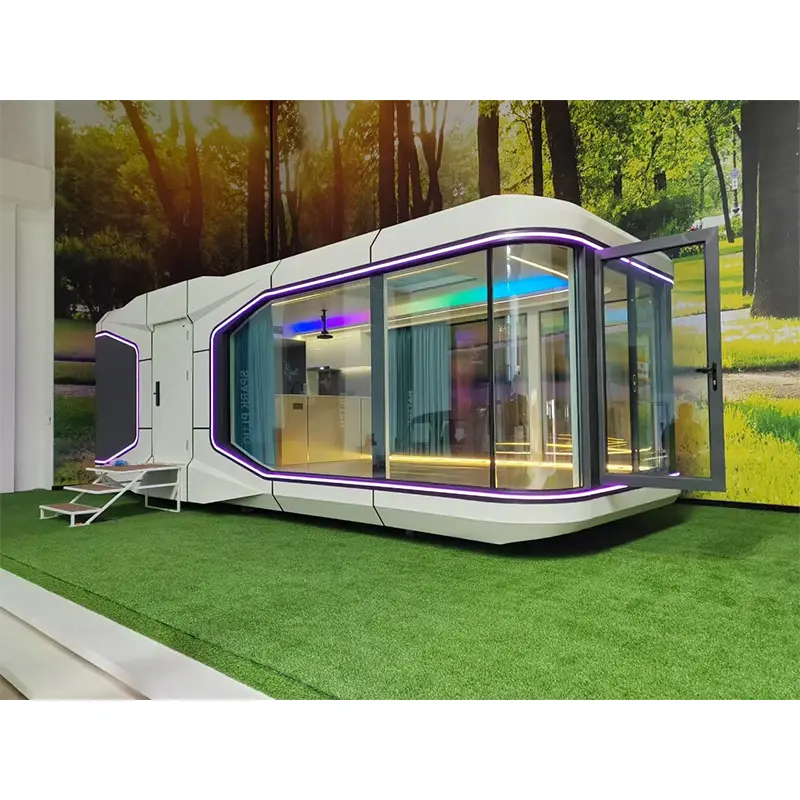
Article Summary: TUNE's K7 Space Capsule Pod combines a compact architectural footprint with a complete accommodation layout, making it suitable for resorts, campsites, scenic destinations, private guest rooms and modular hospitality projects. With a galvanized steel frame, fluorocarbon aluminum alloy shell, insulated waterproof construction, panoramic glazing, bathroom, kitchen, sleeping area and smart-control options, this capsule-style unit is designed to provide a comfortable guest experience while helping project owners use land efficiently.
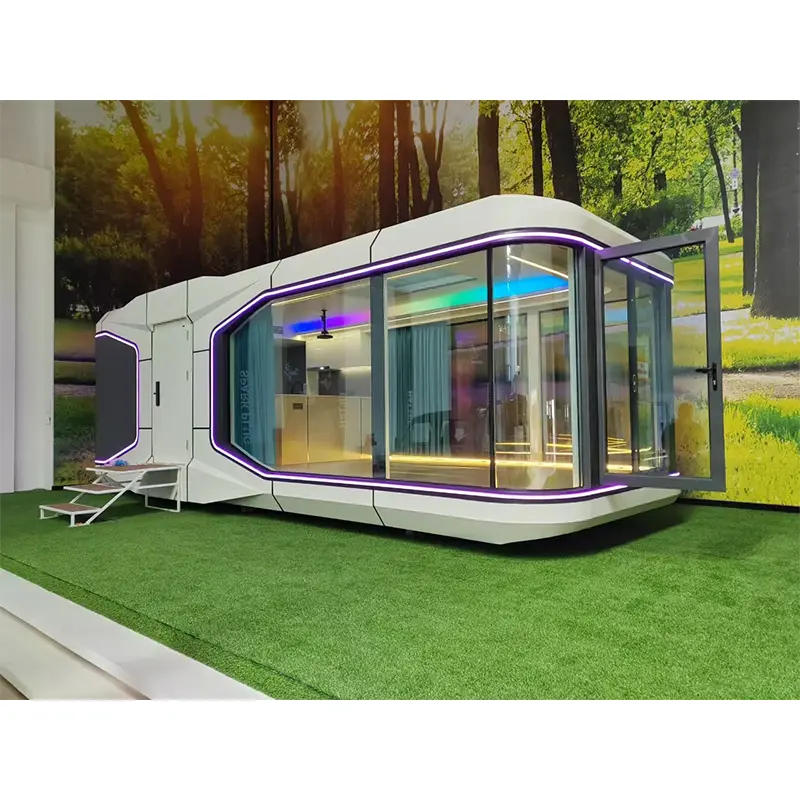
Table of Contents
- What Is a K7 Space Capsule Pod?
- What Are the Key Features of the K7 Space Capsule Pod?
- How Does the Interior Layout Improve Guest Comfort?
- What Materials and Construction Methods Are Used?
- What Are the Main K7 Space Capsule Pod Specifications?
- Where Can a K7 Space Capsule Pod Be Used?
- What Should Buyers Consider Before Installation?
- Can the K7 Space Capsule Pod Be Customized?
- K7 Space Capsule Pod FAQ
- Why Consider a K7 Space Capsule Pod for Your Project?
What Is a K7 Space Capsule Pod?
A K7 Space Capsule Pod is a compact modular accommodation unit designed around the concept of maximizing indoor functionality within a controlled building footprint. TUNE's reference K7 configuration combines a capsule-inspired exterior with a complete interior environment, including a sleeping area, lounge, kitchen counter, bathroom and built-in storage.
Unlike accommodation units that rely on large outdoor terraces, the no-balcony K7 configuration prioritizes usable interior space. This makes it particularly relevant to projects where land efficiency, guest privacy and self-contained accommodation are important considerations.
According to the manufacturer's listed reference configuration, the unit measures approximately 11,400 × 3,300 × 3,300 mm, provides approximately 37.7 m² of building area and accommodates 2–4 people. The actual specifications should be confirmed against the final engineering drawing and customized configuration before production.
For project developers evaluating modular accommodation solutions, the space capsule pod range provides a useful starting point for comparing different layouts and applications.
What Are the Key Features of the K7 Space Capsule Pod?
The value of a capsule-style accommodation unit comes from the integration of structure, interior functions and guest-oriented features. The K7 design brings several important elements together in one prefabricated unit.
- Capsule-inspired exterior: The streamlined curved profile creates a distinctive architectural appearance for tourism and hospitality projects.
- Efficient footprint: The no-balcony design concentrates the accommodation functions indoors, helping projects make effective use of available land.
- Complete living configuration: Sleeping, lounging, cooking, bathing and storage areas are integrated into the unit.
- Large glazed areas: Panoramic windows and a skylight can bring natural light and outdoor views into the guest space.
- Insulated and waterproof construction: The reference structure combines a galvanized steel frame, aluminum alloy exterior shell and insulated building envelope.
- Smart-control options: Smart locks and intelligent control systems can be incorporated depending on the project configuration.
- Flexible customization: Dimensions, interior layouts, finishes and equipment can be reviewed according to project requirements.
These features allow the K7 to function as more than a simple sleeping cabin. It can be configured as a self-contained accommodation environment for short-term stays, tourism projects and modular hospitality developments.
How Does the Interior Layout Improve Guest Comfort?
A successful modular accommodation unit needs to balance limited space with everyday usability. The K7 interior is divided into several functional zones to create a practical guest environment.
Sleeping Area
The sleeping zone includes a large bed and blackout curtains. Its placement near the glazed end of the capsule can strengthen the visual connection between the guest and the surrounding landscape while curtains provide privacy and light control.
Lounge and Working Space
A compact sofa provides additional seating for reading, relaxing or working. For resorts and remote tourism destinations, this flexible area can help guests use the unit for both leisure and longer stays.
Compact Kitchen
The kitchen area can include a countertop, sink, electrical outlets and storage cabinets. Depending on the final design, buyers can discuss additional appliances such as a refrigerator, induction cooker or microwave.
Independent Bathroom
The bathroom configuration includes a shower, toilet and washbasin. Keeping these facilities inside the unit supports a more independent accommodation model and reduces the need for shared guest facilities.
Natural Lighting
Large windows and a skylight provide opportunities for daylight and landscape views. Interior ceiling, wall and floor lighting can supplement natural illumination after dark.
What Materials and Construction Methods Are Used?
Material selection has a direct influence on the service environment, maintenance requirements and long-term performance of modular accommodation. The reference K7 construction uses a galvanized steel frame as the structural foundation and a fluorocarbon aluminum alloy shell as the exterior envelope.
The listed construction is insulated, waterproof and moisture-resistant. Large hollow tempered-glass windows are used in the reference configuration, while the skylight uses hollow tempered laminated glass. These components are intended to balance daylight, visibility and weather protection.
For projects in particularly hot, cold or noisy environments, buyers should discuss possible upgrades such as enhanced insulation, higher-performance glazing or UV-resistant glass during the design stage. Local climate conditions should be considered before finalizing the building envelope.
Interior components include modular wall and ceiling panels, flooring, lighting, sanitary fittings and built-in furniture. Finishes can also be reviewed to match a resort's architectural theme or hospitality brand.
What Are the Main K7 Space Capsule Pod Specifications?
The following table summarizes the principal reference specifications published for the K7 configuration. Because the product supports customization, final dimensions, electrical requirements and equipment should be confirmed before purchase.
| Specification | Reference Configuration |
|---|---|
| Product Name | K7 Space Capsule Pod |
| Brand | TUNE |
| Main Structure | Galvanized steel frame |
| Exterior Shell | Fluorocarbon aluminum alloy |
| Construction | Insulated, waterproof and moisture-resistant |
| Exterior Dimensions | Approx. 11,400 × 3,300 × 3,300 mm |
| Building Area | Approx. 37.7 m² |
| Occupancy | 2–4 people |
| Net Weight | Approx. 8 tons |
| Power Consumption | Approx. 9.5 kW / 16.2 kW with floor heating |
| Windows | Hollow tempered glass |
| Skylight | Hollow tempered laminated glass |
| Heating | Optional electric floor heating |
| Cooling | Central air-conditioning configuration available |
| Water Heater | 80 L configuration available |
| Control System | Smart lock and intelligent control options |
| Customization | Dimensions, layout, finishes and equipment |
| Warranty | One year |
Note: The specifications above represent the listed reference configuration. Actual technical parameters may vary according to customization, climate, electrical standards, equipment selection and project requirements.
Where Can a K7 Space Capsule Pod Be Used?
The compact footprint and complete interior configuration make the K7 suitable for several accommodation scenarios. Typical applications include:
- Forest resorts: Create independent guest rooms surrounded by natural landscapes.
- Scenic-area accommodation: Add distinctive lodging units without developing large conventional buildings.
- Camping and glamping sites: Provide a more comfortable alternative to traditional tents.
- Private guest rooms: Develop independent accommodation units for private properties and hospitality businesses.
- Modular hotels: Build accommodation capacity through repeatable prefabricated units.
- Temporary tourism projects: Support projects where modular construction and controlled installation periods are important.
Before selecting the product for a commercial project, developers should assess local planning regulations, site conditions, transportation restrictions, utility connections and accommodation requirements. The TUNE official website can also be reviewed for related modular accommodation products.
What Should Buyers Consider Before Installation?
Although prefabricated accommodation can simplify project execution, site preparation remains an important part of successful installation. The K7 should be installed on a suitable foundation or supporting structure designed according to local ground conditions and the actual unit weight.
Project teams should evaluate the following before delivery:
- Foundation design and structural support.
- Transportation route and site accessibility.
- Crane capacity and lifting access.
- Electrical supply, grounding and circuit protection.
- Water inlet and wastewater connections.
- Bathroom drainage and waterproofing.
- Air-conditioning and fresh-air ventilation requirements.
- Window, door and skylight sealing.
- Emergency access and fire-safety provisions.
- Local building and tourism regulations.
Electrical demand should receive particular attention. The reference power consumption varies according to heating, cooling, water heating and kitchen equipment. A qualified local electrician should therefore determine the appropriate incoming power supply and protection devices.
Can the K7 Space Capsule Pod Be Customized?
Yes. Customization is an important part of the K7 project process. Depending on engineering feasibility, buyers can discuss dimensions, interior arrangement, finishes and equipment before production.
For example, a resort project may prioritize large landscape-facing glazing and premium interior finishes, while a campsite may place greater emphasis on durable surfaces and simplified maintenance. A long-stay accommodation project may require additional storage and kitchen equipment.
The recommended workflow is to confirm the project requirements first, followed by layout engineering, frame fabrication, shell forming, insulation and waterproof treatment, window and door installation, interior fit-out, equipment connection, functional inspection and final delivery.
Providing accurate information about site restrictions, expected occupancy, local climate, voltage, transportation limitations and desired equipment at the design stage can reduce changes later in production.
K7 Space Capsule Pod FAQ
1. Is the K7 Space Capsule Pod suitable for resorts?
Yes. The K7 can be used for resorts, campsites, scenic areas, private guest rooms and modular accommodation projects. Final use should comply with applicable local planning, building and tourism regulations.
2. How many people can the K7 accommodate?
The listed reference configuration has an occupancy capacity of approximately 2–4 people. The final layout should be confirmed according to the project's intended use and local requirements.
3. Can the K7 Space Capsule Pod include floor heating?
Yes. Electric floor heating is available as an optional configuration. The listed reference power consumption increases to approximately 16.2 kW when floor heating is included.
4. Can the interior layout be changed?
Yes. The positions of the bed, kitchen, bathroom, sofa, storage and equipment can be discussed during the design stage. Plumbing, electrical routing and structural limitations need to be considered.
5. What is the warranty period?
The listed warranty period is one year. Buyers should confirm the exact warranty scope, covered components, maintenance responsibilities and exclusions in the final purchase agreement.
Why Consider a K7 Space Capsule Pod for Your Project?
The K7 Space Capsule Pod provides a practical approach to modular accommodation by combining a distinctive capsule-style exterior with a complete indoor living environment. Its galvanized steel frame, aluminum alloy shell, insulated construction, large glazing, bathroom, kitchen and sleeping area make it adaptable to a range of hospitality and outdoor accommodation scenarios.
For developers, campsite operators, resort owners and modular accommodation buyers, the most important step is to match the unit configuration with actual site conditions, transportation requirements, local regulations and guest expectations. TUNE also supports customization of dimensions, layouts, finishes and equipment, allowing the final configuration to be developed around the specific project.
If you are planning a resort, campsite, scenic-area lodging or modular hotel project and need a customized accommodation solution, contact us with your site dimensions, required quantity, preferred layout and equipment requirements. TUNE can help evaluate your project requirements and develop a suitable K7 Space Capsule Pod configuration for your application.