News

Why Is the 2.8m Commercial Mobile Food Trailer Kitchen Fully Equipped a Smart Investment?

2026-11-03 0 Leave me a message

Starting a mobile food business requires more than a creative menu and a passion for cooking. Entrepreneurs need a practical kitchen, reliable equipment, efficient workspace, proper sanitation facilities, and a flexible business location. A well-designed mobile food trailer can bring these essential elements together in one compact commercial unit.

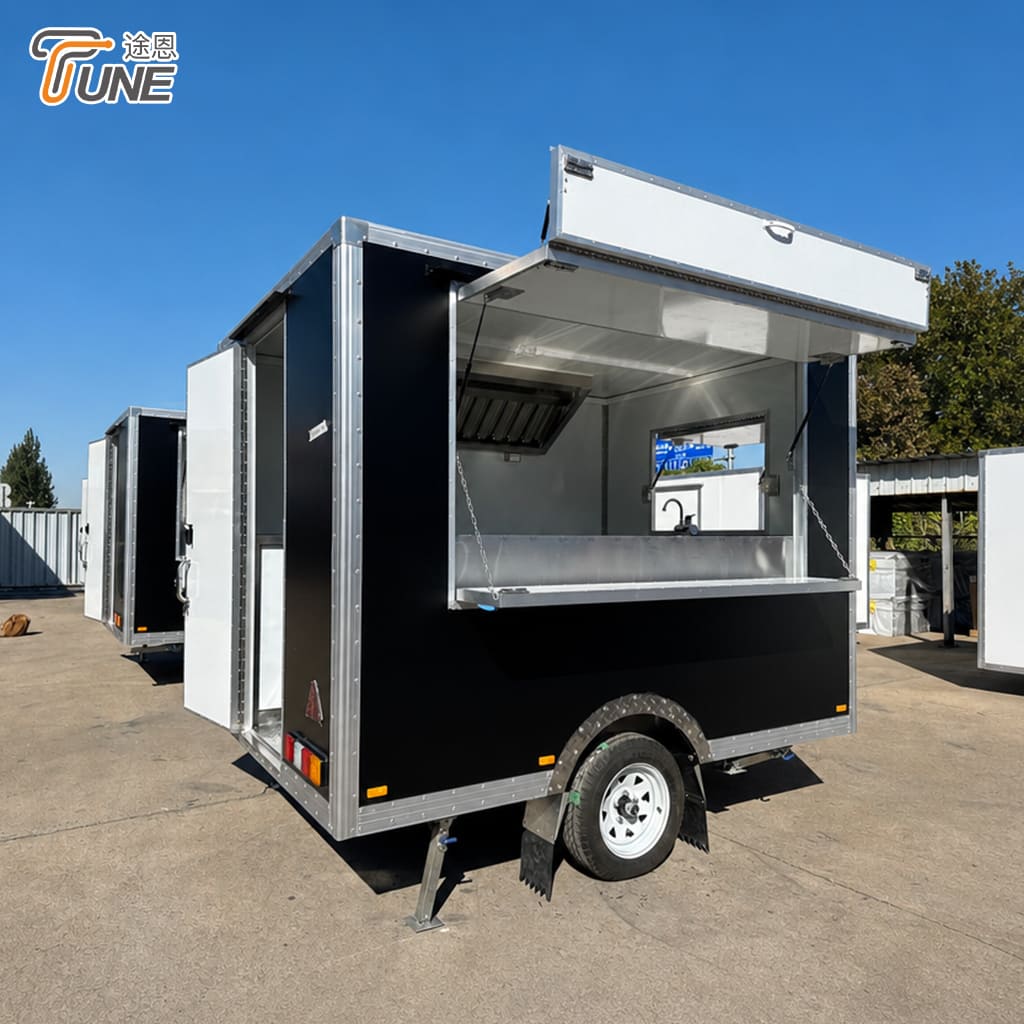
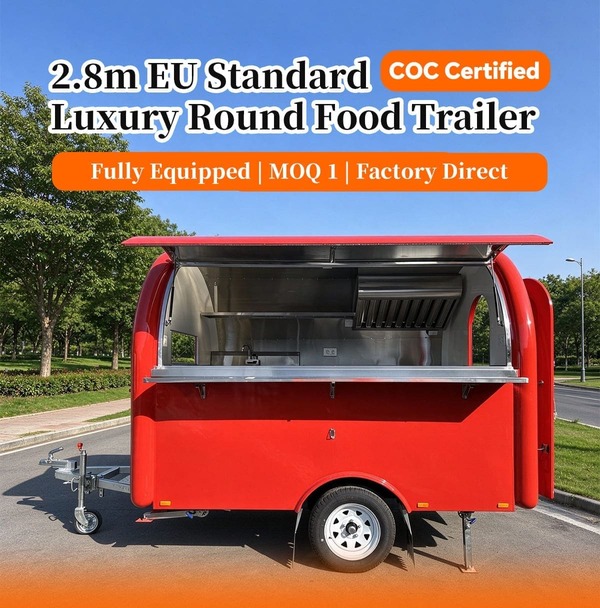
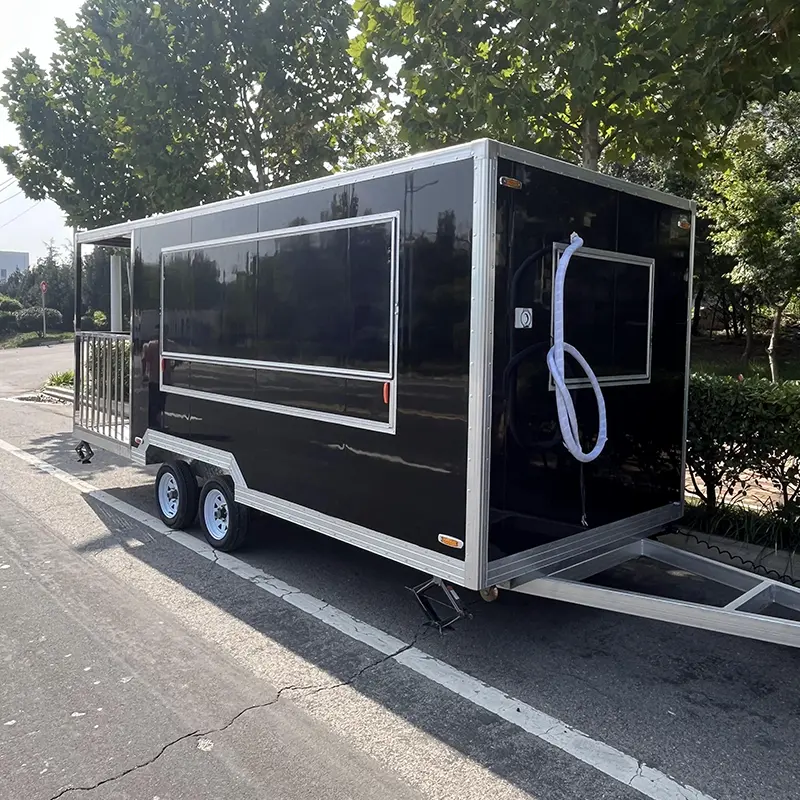
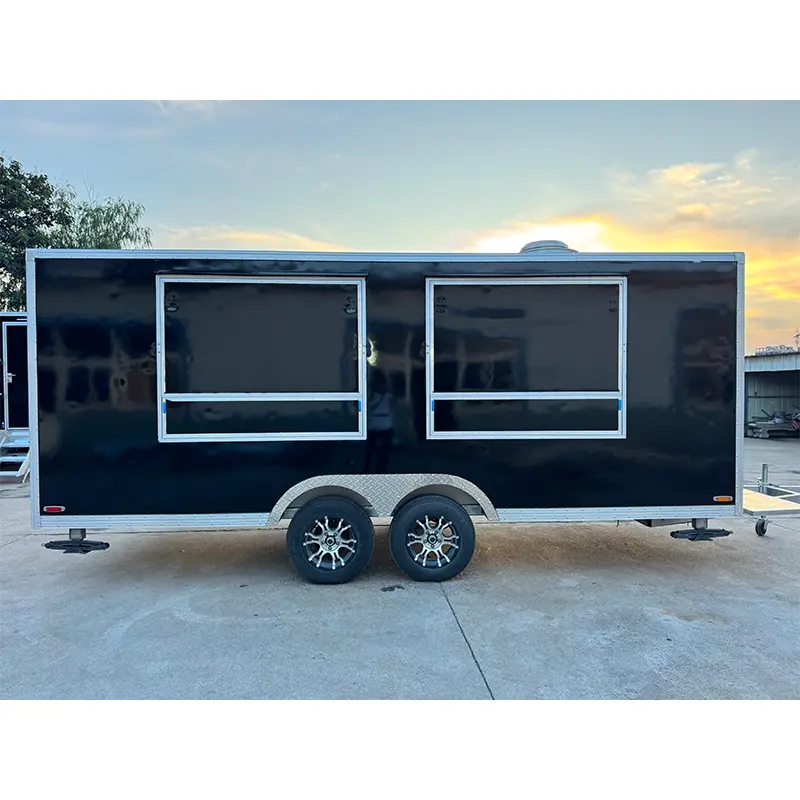
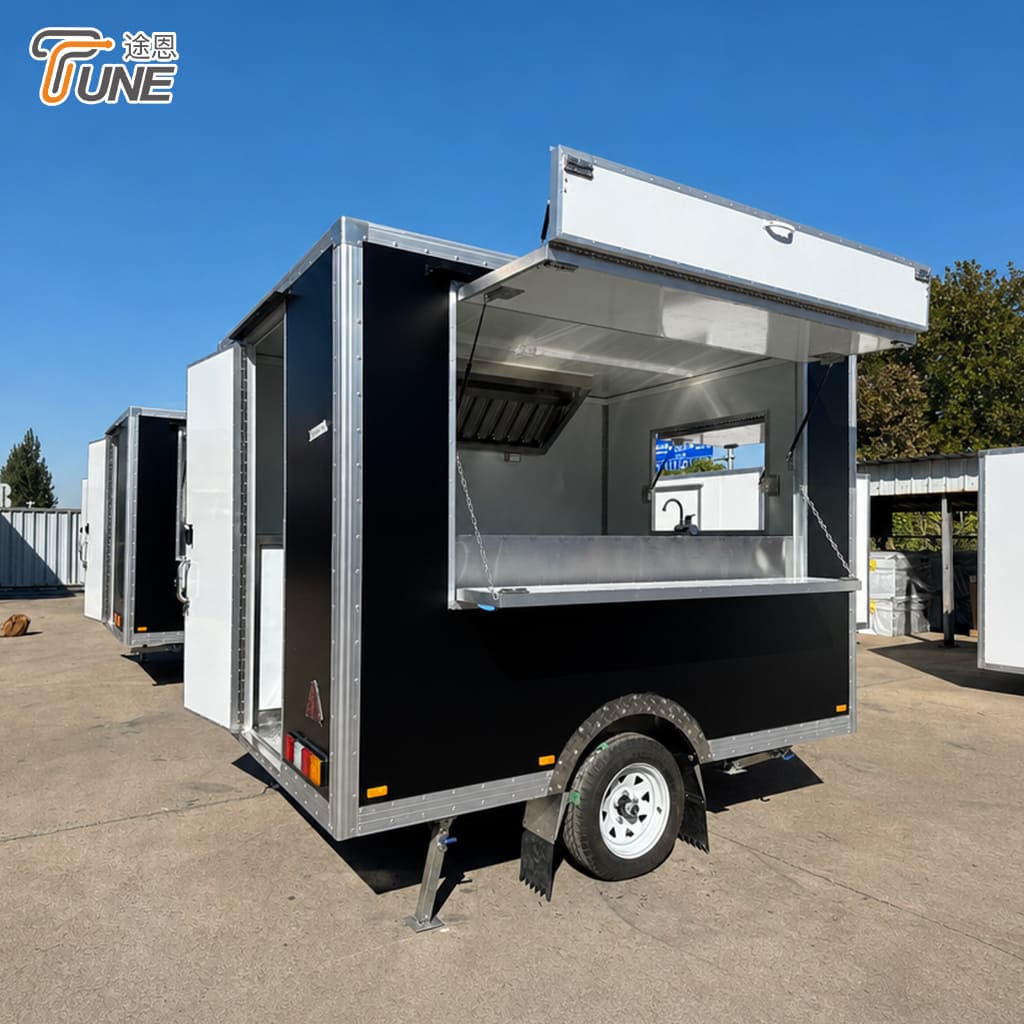
The 2.8m Commercial Mobile Food Trailer Kitchen Fully Equipped is designed for operators who want a professional food preparation and serving environment without investing in a large permanent restaurant. With integrated kitchen facilities, a compact square body, and a towable chassis, this solution offers an adaptable platform for street food vendors, catering businesses, market stalls, and event operators.


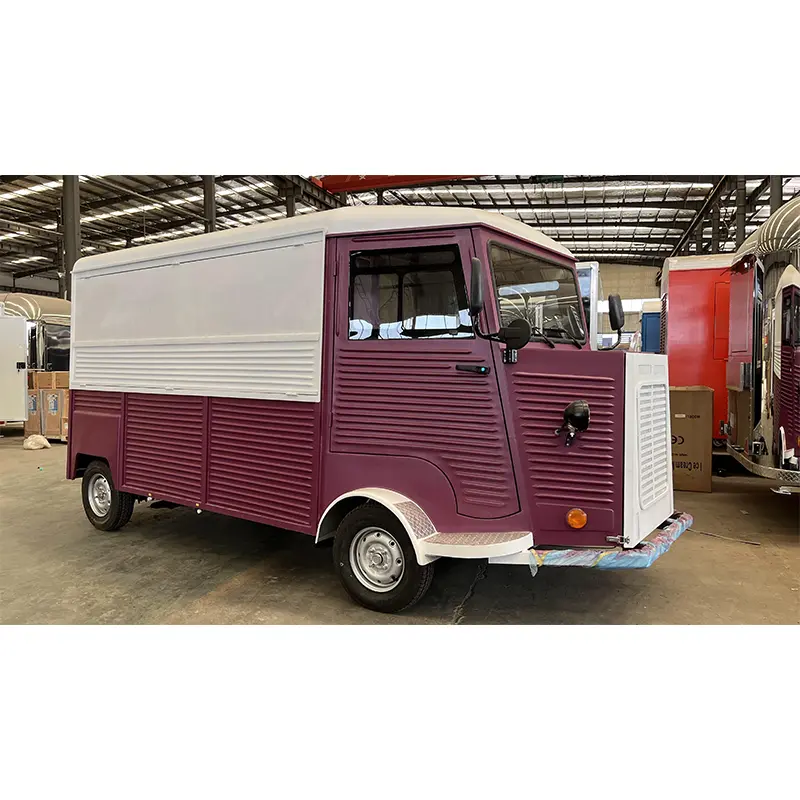
The 2.8m Commercial Mobile Food Trailer Kitchen Fully Equipped


1. Why Is a 2.8m Commercial Food Trailer Suitable for Small Businesses?

For a new food business, choosing the right operating space is one of the first major decisions. A traditional restaurant often requires a long-term lease, interior renovation, substantial utility installation, and ongoing property expenses. These commitments can create considerable financial pressure before a business has established a stable customer base.

A compact commercial food trailer offers a different approach. Instead of building a kitchen at every location, operators can invest in one mobile facility and use it at suitable markets, private events, commercial sites, and other permitted locations.

A Manageable Footprint for Urban Locations

The featured trailer has an external cabin size of approximately 2,800 × 2,000 × 2,400 mm. This compact footprint makes it worth considering for operators who need a functional kitchen in a relatively limited space. It can be particularly useful for smaller food markets, seasonal pitches, and locations where a large catering vehicle may be impractical.

Its total length, including the drawbar, is approximately 4,000 mm. Buyers should consider this overall measurement when checking parking spaces, storage facilities, towing arrangements, and site access.

Lower Entry Barriers to Mobile Catering

A towable trailer separates the kitchen facility from the towing vehicle. This means operators can potentially use the same suitable towing vehicle for transportation and other business tasks after positioning the trailer at an approved site.

Compared with establishing a permanent restaurant, a mobile setup may reduce certain property-related expenses. However, the actual investment still depends on the trailer configuration, towing vehicle, insurance, permits, utilities, transportation, and operating requirements.

Practical advantage: A compact trailer allows a business to test different permitted selling locations and develop its menu and customer base without immediately committing to a large fixed commercial kitchen.

2. How Does a Fully Equipped Mobile Kitchen Improve Daily Operations?

A commercial food trailer should do more than provide an enclosed space. Its equipment and interior arrangement need to support the complete working process, from ingredient storage and preparation to cooking, serving, cleaning, and waste management.

The fully equipped configuration of this 2.8m model brings several important facilities together.

304 Stainless Steel Preparation Counters

Food preparation surfaces are used continuously throughout the working day. The trailer features food-grade 304 stainless steel worktops with a stated thickness of 1.0 mm. This material is widely used in commercial kitchen environments because it is non-porous, corrosion-resistant under appropriate conditions, and relatively easy to clean.

Integrated lower cabinets and sliding doors provide additional storage for utensils, ingredients, and cooking supplies. Keeping frequently used items organized can reduce unnecessary movement and help staff maintain a more consistent preparation routine.

Undercounter Commercial Refrigeration

Ingredient storage is a major concern for mobile food vendors. Fresh produce, sauces, dairy products, and other temperature-sensitive ingredients require appropriate refrigeration.

This model incorporates a dual-door undercounter commercial refrigerator with a stated holding temperature range of 0°C to 8°C. Its position beneath the serving counter helps preserve valuable preparation space while keeping frequently used ingredients accessible.

Operators should still monitor actual refrigerator temperatures, follow local food-storage regulations, and select equipment suitable for their specific menu and climate.

Commercial Extraction Hood

Cooking can produce smoke, grease particles, odors, and excess heat. Without appropriate ventilation, these conditions may make a compact kitchen uncomfortable and difficult to operate.

The trailer includes a 304 stainless steel extraction canopy with grease baffle filters and a grease collection channel. An extraction blower directs cooking fumes through a roof exhaust outlet.

Before ordering, buyers should confirm the extraction capacity, installation requirements, exhaust arrangement, and compatibility with their intended cooking appliances.

Integrated Water Supply and Hot Water

Reliable water access is essential for food preparation, handwashing, utensil cleaning, and general sanitation. The configuration includes:

  • Two 304 stainless steel sink basins.
  • A swivel faucet with an electric instant water heater.
  • An automatic 12V pressure-sensing water pump.
  • A 25-liter fresh water tank.
  • A 25-liter grey water tank.

This self-contained arrangement can support operations at sites where a direct water connection is unavailable. Nevertheless, tank capacity must be evaluated against the expected number of customers, cleaning frequency, and local sanitation requirements.

Protected Electrical Distribution

Commercial kitchen equipment requires a dependable electrical supply. The listed configuration uses a 220V–240V, 50Hz electrical system, with a Schneider distribution panel, residual current protection, miniature circuit breakers, and IP44 splash-protected sockets.

Buyers should provide a complete list of planned electrical appliances before production. The manufacturer can then help assess circuit allocation and whether a different electrical configuration is required.


3. What Makes the Compact Layout More Efficient?

In a small mobile kitchen, every centimeter matters. Poor equipment positioning can cause staff to cross paths, interrupt preparation, and waste time searching for tools. A thoughtful layout helps transform a limited interior into a more organized working environment.

Build a Practical Food Preparation Workflow

A useful mobile kitchen workflow can be divided into five stages:

  1. Storage: Keep refrigerated ingredients and dry supplies in designated areas.
  2. Preparation: Use stainless steel counters for washing, cutting, mixing, and portioning.
  3. Cooking: Position suitable cooking appliances near the extraction system.
  4. Serving: Arrange finished food and packaging near the service window.
  5. Cleaning: Keep washing facilities and waste-handling arrangements accessible.

Separating these activities as much as the available space permits helps reduce unnecessary movement and makes the kitchen easier to manage during busy periods.

Use Vertical and Under-Counter Storage

Compact trailers benefit from storage solutions that do not occupy valuable preparation surfaces. Wall-mounted shelves, enclosed cabinets, and under-counter storage can help organize lightweight supplies and frequently used utensils.

Heavy equipment and supplies should be positioned securely and according to the manufacturer's loading recommendations. Items must also be restrained appropriately during transportation.

Plan Around the Actual Menu

A trailer intended for coffee and cold beverages has different equipment requirements from one serving burgers, fried food, or hot sandwiches. Therefore, buyers should not select a layout based only on appearance.

Business Type Important Equipment Considerations Layout Priority
Coffee and beverages Coffee machine, refrigerator, water system Fast drink preparation and serving
Burgers and sandwiches Griddle, refrigerator, extraction hood Preparation and cooking workflow
Street snacks Fryer or cooking equipment, storage, ventilation Safe cooking and efficient order handling
Desserts and ice cream Freezer or specialized refrigeration, display equipment Temperature control and product presentation
Event catering Refrigeration, preparation counters, serving facilities Quick setup and organized service

The final layout should be confirmed using the operator's menu, equipment dimensions, staff numbers, and expected customer volume.


4. How Can a Mobile Food Trailer Support Different Business Models?

One of the biggest attractions of a mobile kitchen is its ability to serve different types of commercial activities. Rather than relying on a single permanent location, operators may have opportunities to work at various permitted venues throughout the year.

Street Food and Takeaway Businesses

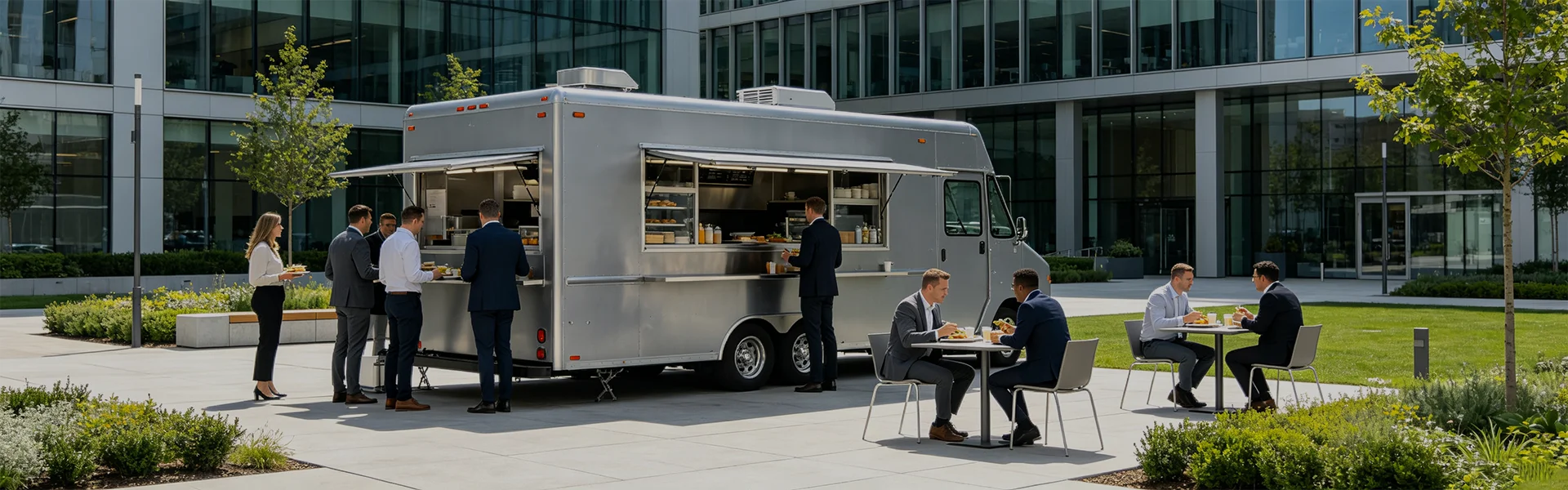
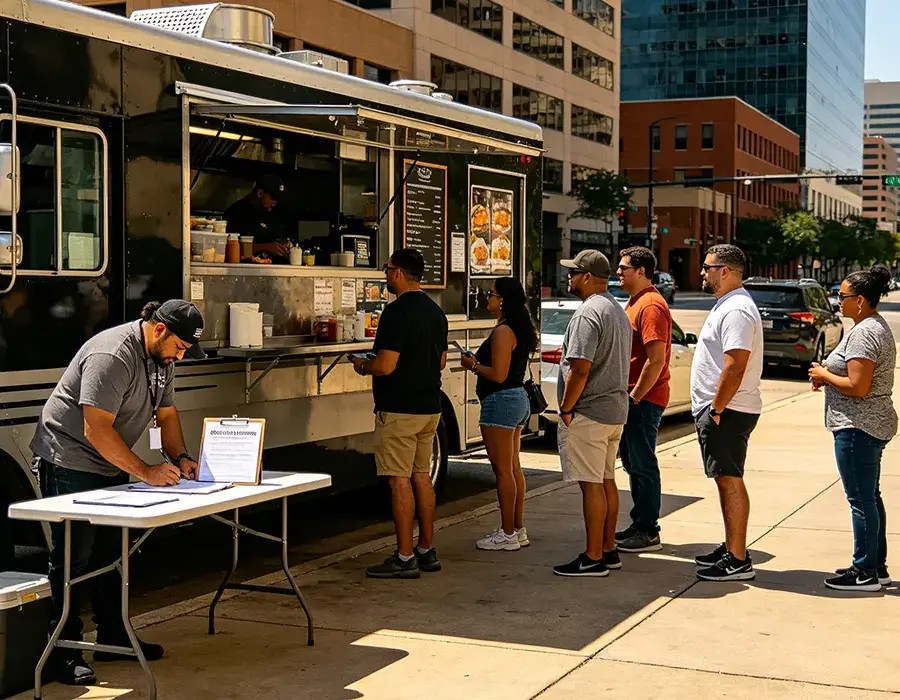
Street food businesses depend on convenient access, attractive presentation, and quick order fulfillment. A compact trailer can provide a dedicated preparation and serving environment for burgers, hot dogs, sandwiches, snacks, and other takeaway products.

Its service window can help create a clear interaction point between staff and customers, while the enclosed kitchen keeps preparation equipment organized.

Festivals, Markets, and Outdoor Events

Seasonal festivals and local markets often attract customers who want convenient food options. A mobile trailer can be transported to an approved event location and set up as a temporary food service point.

For event operators, the key considerations include access schedules, site dimensions, electricity availability, water arrangements, waste disposal, and event-specific vendor rules.

Private Catering and Corporate Events

Mobile catering businesses may serve private celebrations, corporate gatherings, sports events, and community activities. A towable kitchen gives the operator a consistent working environment that can be transported between suitable venues.

Seasonal and Tourist Destinations

Beach areas, parks, tourist attractions, and holiday destinations can offer seasonal opportunities for mobile food vendors. A flexible business model allows operators to evaluate different customer locations according to demand and local permissions.

Business planning tip: Before purchasing a trailer, identify your primary selling locations and confirm that mobile food vending is permitted there. A suitable trailer is only one part of a successful mobile catering business.

5. Why Are Hygiene and Food Safety Important?

Food safety directly affects customer confidence, business reputation, and regulatory compliance. A mobile kitchen must be designed and operated with the same attention to cleanliness and safe food handling as a fixed commercial kitchen.

Easy-to-Clean Interior Surfaces

Stainless steel worktops offer a smooth, non-porous surface that is convenient for routine cleaning. The aluminum anti-slip floor plate provides a durable walking surface, while integrated drainage points are intended to assist with washdown operations.

Operators should use cleaning agents suitable for the installed materials and follow the recommended cleaning procedures for all equipment.

Separate Fresh and Wastewater Storage

Clean water and wastewater must be managed separately. The trailer's dual-tank arrangement helps provide a self-contained water supply, but the operator must empty, clean, and refill the tanks according to actual usage and local requirements.

Maintain Appropriate Food Temperatures

Refrigeration alone does not guarantee food safety. Operators need to monitor temperatures, organize ingredients, avoid cross-contamination, and maintain records where required by local regulations.

Plan a Consistent Cleaning Routine

A practical cleaning schedule should include:

  • Cleaning and sanitizing food preparation counters before and after service.
  • Regularly checking refrigerator temperatures and cleaning storage areas.
  • Removing grease from extraction filters according to maintenance instructions.
  • Cleaning sinks, faucets, and water-contact surfaces.
  • Emptying wastewater tanks at approved disposal facilities.
  • Checking floor drains and keeping walking areas free from food debris.

The trailer's facilities can support a hygienic working environment, but final compliance depends on the complete business setup, equipment, operating practices, and the relevant health authority's inspection requirements.


6. What Should Buyers Know About Construction and Road Safety?

A mobile food trailer must withstand two different operating environments: transportation on public roads and continuous commercial use at food service locations. Chassis construction, braking, insulation, electrical safety, and weather protection all deserve attention before purchase.

Chassis and Towing Structure

The featured model uses a galvanized steel sub-frame and an integrated A-frame drawbar. Its listed running gear includes an independent rubber torsion axle, mechanical overrun braking system, and stabilizer jacks.

The stated curb weight is approximately 650 kg, while the maximum permissible gross weight is 1,200 kg. Buyers must consider the fully loaded trailer weight, including equipment, water, ingredients, and other supplies, when selecting a towing vehicle.

Thermal Insulation

The trailer body uses a stated 45 mm high-density polyurethane foam sandwich insulation core. Insulation can help moderate interior temperatures and improve working comfort in different weather conditions.

Electrical and Weather Protection

Electrical protection is particularly important in a kitchen where water, cleaning activities, and powered appliances are present. The listed electrical configuration includes RCD and MCB protection, with IP44 sockets.

Operators should arrange professional electrical installation, grounding, inspection, and maintenance according to local requirements.

European Road Approval and Documentation

The product is presented as a European COC-approved trailer configuration. The published specification references a Certificate of Conformity, 17-digit VIN, E-marked road lighting, and mechanical overrun brakes.

However, buyers should never assume that a general product description automatically guarantees registration in every country or region. Before ordering, request the exact documentation for the supplied unit and confirm acceptance with the relevant local registration authority.

Technical Parameter Published Specification Why It Matters
External cabin size 2800 × 2000 × 2400 mm Space planning and site access
Total length with drawbar Approx. 4000 mm Towing and parking arrangements
Curb weight Approx. 650 kg Towing vehicle selection
Maximum gross weight 1200 kg Payload and load management
Body insulation 45 mm PU foam sandwich Interior thermal comfort
Worktop material 1.0 mm 304 stainless steel Food preparation and cleaning
Electrical supply 220V–240V / 50Hz Appliance compatibility
Water tanks 25 L fresh + 25 L grey Water supply and wastewater planning

Specifications above are based on the published product configuration. Confirm the final approved drawings, equipment list, weights, and certification documents before placing an order.


7. How Can Customization Match Your Food Business?

A standard trailer configuration may provide a useful starting point, but different businesses have different operational priorities. Customization allows buyers to align the kitchen with their menu, brand identity, working habits, and target market.

Exterior Color and Branding

Visual presentation plays an important role in attracting customers. The exterior can be customized with suitable RAL colors, commercial vinyl graphics, brand logos, roof signage, and illuminated logo displays, subject to the selected configuration.

A consistent brand appearance can help a mobile food business look more professional at markets, festivals, and private events.

Kitchen Equipment Configuration

Depending on the intended menu, buyers may need different appliances or additional preparation facilities. Possible requirements include:

  • Commercial griddles and cooking ranges.
  • Deep fryers and food warming equipment.
  • Additional refrigeration or freezer capacity.
  • Coffee machines and beverage preparation equipment.
  • Extra shelving and storage cabinets.
  • Specialized preparation counters.

Not every appliance is necessarily included in the standard package. Buyers should request an itemized equipment list and confirm electrical load, ventilation needs, dimensions, and installation arrangements for every additional item.

Electrical Standards for Different Markets

Electrical requirements vary between countries. A configuration designed for a European market may not be directly suitable for a different destination. Plug types, voltage, frequency, circuit protection, and local inspection standards should all be confirmed before production.

Custom Layout Drawings

Providing a menu, equipment list, and preferred working arrangement allows the manufacturer to prepare a more suitable interior layout. Reviewing the drawings before production can prevent expensive changes after the trailer has been completed.


8. How Should You Evaluate the Total Investment?

When purchasing a commercial food trailer, the lowest initial quotation does not always represent the best long-term value. Buyers should compare the complete configuration and consider the costs involved in transportation, installation, registration, and daily operation.

Understand the Complete Purchase Price

Ask whether the quotation includes the trailer body, chassis, kitchen counters, refrigeration, water system, extraction hood, electrical distribution, and other accessories. Any optional equipment should be clearly identified.

Calculate Logistics and Setup Costs

International buyers should request shipping quotations based on the destination port and delivery arrangement. Additional expenses may include customs duties, taxes, local transportation, registration, and site preparation.

Consider Maintenance and Spare Parts

Commercial equipment needs regular maintenance. Before purchasing, ask about warranty coverage, replacement parts, maintenance instructions, and technical support. Easy access to compatible components can help reduce unexpected downtime.

Compare Value Rather Than Price Alone

Evaluation Factor Questions to Ask
Equipment package Which appliances and accessories are included?
Materials What materials are used for counters, cabinets, and chassis?
Road compliance Which certificates and registration documents are supplied?
Customization Can the layout, color, and electrical system be modified?
Warranty What components are covered and for how long?
After-sales service How are replacement parts and technical support provided?
Shipping What are the packaging method, lead time, and delivery terms?

A detailed comparison helps buyers understand what they are actually receiving and avoid unexpected expenses after delivery.


9. What Should You Check Before Ordering?

Preparing the correct information before requesting a quotation can make the purchasing process faster and more accurate. International buyers should pay particular attention to the following points.

1. Define Your Menu and Daily Capacity

List the food and drinks you plan to sell, the cooking methods involved, and your expected number of orders per day. This information determines the equipment and workspace requirements.

2. Confirm the Destination Market

Provide the destination country and intended operating region. Ask about the required road approval, electrical standards, food safety facilities, and other local regulations.

3. Review the Layout and Equipment List

Request detailed drawings and a written equipment schedule. Check appliance dimensions, working clearances, storage capacity, and the location of water and electrical connections.

4. Verify Weight and Towing Compatibility

Confirm the trailer's final tare weight, maximum authorized mass, payload, coupling specifications, and braking system. Check whether your towing vehicle and driving license meet the requirements of the destination country.

5. Confirm Production and Delivery Details

Ask for the production schedule, inspection procedure, packaging method, warranty terms, and shipping arrangements. Make sure all important requirements are recorded in the order documentation.

Buyer checklist:
  • Menu and equipment requirements prepared.
  • Destination regulations checked.
  • Kitchen layout approved.
  • Electrical and water configurations confirmed.
  • Trailer weight and towing compatibility reviewed.
  • Certification documents and warranty clarified.
  • Quotation, production time, and shipping terms confirmed.

10. Why Choose Qingdao Tune Technology Co., Ltd.?

Selecting a reliable manufacturer is just as important as choosing the right trailer configuration. Buyers need a supplier that understands commercial kitchen requirements, export documentation, customization, production quality, and after-sales support.

Qingdao Tune Technology Co., Ltd. was founded in 2015 and operates a commercial concession manufacturing facility in Shandong, China. According to the company's published information, its manufacturing facility covers approximately 4,500 square meters, and its commercial kitchen units have been exported to customers in more than 50 countries.

Manufacturing and Production Control

Manufacturing processes include metal profiling, welding, assembly, and electrical testing. Managing key production processes within the factory helps coordinate different stages of production and maintain consistency across customized orders.

Product Traceability

The company states that its trailers receive individual 17-digit VIN identification, with related CAD layout drawings, wiring diagrams, and parts information archived for future reference. This documentation can be useful when customers need technical assistance or replacement components.

Quality Inspection

The published manufacturing process describes a six-stage quality inspection procedure covering exterior workmanship, water resistance, electrical safety, water system performance, mechanical components, and running gear.

Buyers can request inspection records and relevant test details for their specific order before shipment.

Warranty and After-Sales Support

The published product information specifies a one-year factory warranty covering the galvanized structural chassis, running axle, and electrical distribution hardware. It also describes replacement parts dispatch arrangements for certain components.

Before ordering, buyers should confirm the precise warranty scope, exclusions, service process, and delivery conditions in their sales agreement.

Whether you are planning a first mobile food business, expanding an existing catering operation, or sourcing commercial trailers for distribution, working directly with a manufacturer can make it easier to discuss specifications and develop a configuration suited to your market.


Frequently Asked Questions

Q1: What is the size of the 2.8m Commercial Mobile Food Trailer Kitchen Fully Equipped?

The published external cabin dimensions are approximately 2,800 × 2,000 × 2,400 mm. The total length, including the drawbar, is approximately 4,000 mm. Buyers should use the overall dimensions when planning transportation and site access.

Q2: What equipment is included in the fully equipped food trailer?

The published configuration includes 304 stainless steel preparation counters, a dual-door undercounter refrigerator, a commercial extraction hood, two stainless steel sinks, an instant water heater, a 12V water pump, fresh and grey water tanks, and a protected electrical distribution system. Confirm the final equipment list before ordering.

Q3: Is this commercial food trailer suitable for street food businesses?

Yes. Its compact kitchen arrangement can suit street food, takeaway, beverage service, small catering operations, and event vending. The final suitability depends on the menu, equipment configuration, working capacity, and local vending permissions.

Q4: Can the trailer's interior layout be customized?

Customization can be discussed according to your menu, equipment dimensions, storage requirements, and preferred workflow. Buyers should provide their requirements before production so that the factory can evaluate the layout and technical feasibility.

Q5: Is the 2.8m food trailer suitable for European markets?

The listed configuration is presented as a European COC-approved model. Nevertheless, buyers should request the exact Certificate of Conformity and verify the registration requirements with the relevant authority in their destination country before purchasing.

Q6: What is the electrical specification of the mobile kitchen?

The published standard configuration uses a 220V–240V, 50Hz single-phase supply with Schneider electrical protection components and IP44 sockets. Other configurations, including three-phase power, may be discussed depending on the required appliances and market.

Q7: How much water can the trailer store?

The listed water system includes a 25-liter fresh water tank and a 25-liter grey water tank. Actual operating capacity depends on water consumption, cleaning frequency, and local requirements for wastewater disposal.

Q8: How long does production take?

According to the published product information, standard fully equipped configurations typically require approximately 20–25 business days after final CAD layout approval. Available stock units may be prepared and packed for shipment within approximately five business days. Actual schedules should be confirmed when placing an order.

Q9: Can I customize the trailer's exterior appearance?

Yes. Available customization options described by the manufacturer include RAL exterior colors, commercial vinyl branding, roof signboards, and illuminated logo displays. Buyers should provide their preferred colors and artwork for confirmation.

Q10: What is the warranty coverage?

The published product information states a one-year factory warranty covering the galvanized structural chassis, running axle, and electrical distribution hardware. Ask the manufacturer for the complete written warranty terms and coverage details before ordering.

Q11: What information should I provide to get an accurate quotation?

Provide your destination country, preferred trailer quantity, menu type, required cooking equipment, electrical standard, branding requirements, and any specific certification needs. This allows the manufacturer to assess the configuration and prepare a more relevant quotation.


Final Thoughts: Is a 2.8m Fully Equipped Food Trailer Right for Your Business?

Launching a mobile food business involves balancing kitchen functionality, investment, mobility, food safety, and long-term operating costs. A well-planned 2.8m commercial food trailer can bring these requirements together in a compact and practical working environment.

With its stainless steel preparation surfaces, integrated refrigeration, extraction hood, water supply system, electrical infrastructure, and towable chassis, this model offers a useful starting point for entrepreneurs who want to establish or expand a mobile catering operation.

The best purchasing decision, however, should always be based on your actual menu, local regulations, expected customer demand, towing arrangements, and equipment requirements. Reviewing the complete technical specifications and confirming the final configuration before production will help reduce uncertainty and support smoother business operations.

Build a mobile kitchen around your business goals.

From compact street food operations to professional event catering, the right trailer configuration can help turn a business idea into a practical mobile food service solution.

Ready to Start Your Mobile Food Business?

Looking for a reliable 2.8m Commercial Mobile Food Trailer Kitchen Fully Equipped for your market? Qingdao Tune Technology Co., Ltd provides commercial food trailer manufacturing, equipment configuration, exterior customization, and export support.

Tell us about your menu, destination market, equipment requirements, and branding ideas. Our team can help you explore a suitable layout and provide product details, technical specifications, and a competitive quotation.

Contact us today to discuss your project and take the next step toward building your mobile catering business.

Contact Us for a Quotation

Email: tunevan@tune-group.com
Website: www.tunevan.com

Related News
Leave me a message
X
We use cookies to offer you a better browsing experience, analyze site traffic and personalize content. By using this site, you agree to our use of cookies. Privacy Policy
RejectAccept