News

What Should You Check Before Buying a COC Food Trailer?

2026-11-11 0 Leave me a message

Buying a COC food trailer involves more than checking its appearance and kitchen equipment. From chassis construction and AL-KO braking systems to electrical safety, food-grade work surfaces, and certification documents, several details determine whether a trailer is suitable for commercial use. In this guide, TUNE explains what to inspect before purchasing a 3.5m Mirror Finish Food Trailer with COC, especially for operators planning to work across UK and European markets.

Contents

1. Verify COC Certification and Road Compliance

Before purchasing a food trailer for the European market, we recommend checking its road approval documents before discussing decorative finishes or optional kitchen equipment. A Certificate of Conformity (COC) provides important evidence that a vehicle conforms to the applicable vehicle type-approval requirements. However, buyers should verify that the certificate matches the specific trailer configuration, VIN, and destination country's registration requirements.

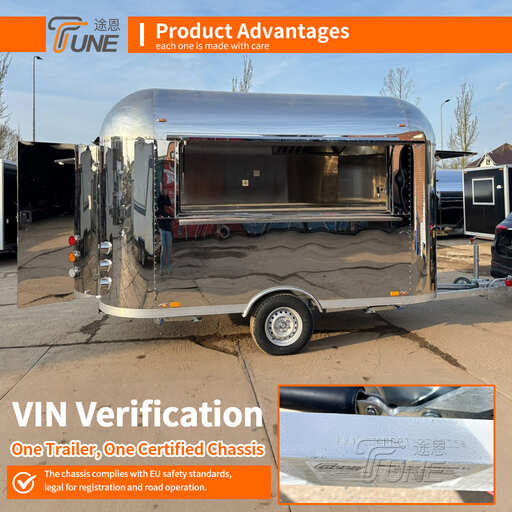
For our 3.5m Mirror Finish Food Trailer with COC, we pay particular attention to vehicle identification and supporting documentation. Each unit is equipped with a 17-digit VIN stamped on the drawbar, with corresponding conformity documentation supplied for registration procedures.

When reviewing a COC approved catering trailer, check the following details:

  • Whether the COC documentation corresponds to the actual trailer model and configuration.
  • Whether the VIN on the documents matches the identification stamped on the chassis.
  • Whether the permitted maximum mass and axle ratings meet local road requirements.
  • Whether the braking system, coupling, lighting, and other road equipment meet applicable regulations.
  • Whether additional national registration or inspection procedures are required in the destination market.

One point worth clarifying is that COC documentation does not automatically replace every national registration requirement. For example, operators importing road legal food trailers for sale in the UK should confirm the applicable registration and approval process with the relevant UK authorities before arranging delivery.

3-5m-mirror-finish-food-trailer-with-coc

2. Inspect the Chassis, Axle, and Braking System

The chassis carries the weight of the kitchen, refrigeration equipment, water tanks, cooking appliances, and stored ingredients. A visually attractive trailer can still become difficult to operate if its structural frame or running gear is poorly matched to the actual loaded weight.

We use a reinforced rectangular tubular steel chassis for our 3.5m catering trailer. The steel structure receives hot-dip galvanizing treatment, with the chassis immersed in molten zinc at approximately 450°C to create a protective coating against moisture and road salt corrosion.

The running gear is another important inspection point. Our specified configuration uses a German-engineered AL-KO rubber torsion axle rated at 1,500 kg, together with mechanical overrun drum brakes, an automatic reversing lock, and a 50 mm ball coupling.

ComponentTUNE ConfigurationWhat to Check
ChassisReinforced rectangular tubular steelFrame strength, welding quality, and corrosion protection
Surface TreatmentHot-dip galvanizingCoating coverage and protection of exposed steel
AxleAL-KO rubber torsion axleLoad rating and compatibility with the trailer's gross weight
Axle Rating1,500 kgActual permitted axle load and weight distribution
Braking SystemMechanical overrun drum brakesBrake response and adjustment
Coupling50 mm ball couplingCompatibility with the towing vehicle

We also advise checking the trailer's maximum authorized mass, unladen weight, payload, and axle load distribution. A 1,500 kg axle rating should not be interpreted as the trailer's total permitted gross weight. The complete vehicle specifications must be reviewed together to avoid overloading after kitchen equipment and water tanks are installed.

3. Evaluate Exterior Materials and Insulation

For a mobile catering business, the exterior is part of the brand presentation. A mirror-finish food trailer can attract attention at festivals, shopping districts, outdoor exhibitions, and corporate events. However, the quality of the stainless steel surface and the construction underneath it deserve equal attention.

Our airstream style concession trailer features heavy-gauge mirror stainless steel exterior panels. The panels undergo multiple manual polishing stages to achieve a reflective chrome-like finish. We pay attention to surface consistency, panel alignment, and joint finishing because uneven reflections or poorly fitted edges can affect the overall appearance.

The aerodynamic curved body also provides a distinctive alternative to conventional box-shaped concession trailers. Its rounded profile can help reduce aerodynamic drag compared with a similarly sized flat-fronted design, although actual towing performance depends on vehicle speed, trailer loading, and towing vehicle characteristics.

Insulation is another detail worth checking, especially for businesses operating throughout the year. Our trailer uses a high-density, flame-retardant polyurethane insulation core beneath the exterior shell. This helps reduce heat transfer through the body and supports a more stable indoor working environment during hot summers and cold mornings.

When comparing a luxury food trailer, we suggest inspecting:

  • Stainless steel thickness and surface finishing quality.
  • Panel joints, roof edges, service window seals, and door fittings.
  • Insulation material and installation consistency.
  • Ease of cleaning around exterior corners and access points.
  • Protection of the mirror finish during transportation.

4. Check the Commercial Kitchen Layout and Equipment

A commercial food trailer should be designed around the actual menu and number of staff members rather than simply filling the available space with appliances. Poor equipment positioning can create unnecessary movement between preparation, cooking, washing, and serving areas.

Our 3.5m commercial mobile kitchen trailer is designed with a 2,000 mm internal corridor to support a practical working arrangement for two chefs. This layout allows staff to prepare orders and handle customer service with less interference during busy trading periods.

The main work surfaces, storage cupboards, and backsplash are fabricated from food-grade 304 stainless steel. This material offers good corrosion resistance and is widely used in commercial food preparation environments. Its smooth surface also makes routine cleaning more straightforward.

Depending on the selected kitchen configuration, important equipment includes:

Kitchen EquipmentFunctionInspection Focus
304 Stainless Steel WorkbenchFood preparation and ingredient handlingSurface finish, dimensions, and storage capacity
Extraction CanopyRemoves cooking heat, grease, and airborne fumesCanopy coverage and extraction capacity
Baffle Grease FiltersCapture grease particles from cooking exhaustRemovability and cleaning access
Centrifugal Exhaust FanExtracts hot air from the cooking areaAirflow, noise, and electrical compatibility
Under-Counter RefrigeratorStores fresh ingredients and chilled productsCooling performance and ventilation clearance
Dual-Basin SinkSupports washing and hygiene proceduresBasin dimensions and water supply

The built-in dual-door workbench refrigerator is designed to maintain a temperature range of 0°C to 8°C. Operators should still verify actual operating temperatures, refrigeration capacity, and local food storage requirements based on the ingredients and business model.

For businesses selling burgers, fried food, sandwiches, or other hot meals, extraction capacity is particularly important. We recommend confirming the hood dimensions, fan performance, grease filter accessibility, and exhaust outlet position before finalizing the kitchen layout.

5. Review Electrical and Water Systems

Electrical and plumbing details are easy to overlook when comparing food trailer quotations, but they directly affect daily operation. A trailer may have the right cooking equipment and exterior appearance, yet still require expensive modifications if its electrical supply or water system is incompatible with the destination market.

Our electrical distribution system uses a Schneider consumer panel equipped with Residual Current Devices (RCDs) and IP44 waterproof outlets. The electrical configuration can be adapted to destination voltage requirements, subject to confirmation of the selected appliances and local electrical regulations.

Before ordering, we suggest confirming:

  • Operating voltage and frequency, such as 220–240V or 110–120V.
  • Total connected electrical load and the required external power supply.
  • Protection devices, circuit allocation, and grounding arrangements.
  • Outlet positions and their suitability for the kitchen equipment.
  • Whether additional generators or external power connections are needed.

The water system also deserves a practical review. Our hygiene station incorporates deep dual stainless steel basins, an automatic pressure-sensing water pump, and an electric instant water heater for warm water supply.

We recommend checking fresh-water and wastewater tank capacities, drainage arrangements, pump pressure, heater output, and access for maintenance. Local environmental health regulations may specify additional requirements for handwashing facilities, water storage, and wastewater disposal.

6. Confirm Factory Testing and Quality Inspection

Product photographs and specification sheets provide useful information, but they cannot fully demonstrate the quality of a finished mobile catering unit. Before placing an order, we recommend asking the manufacturer how the trailer is tested and what inspection records are available.

At TUNE, quality verification covers the exterior structure, water resistance, electrical installation, and running gear. Our inspection process for the 3.5m Mirror Finish Food Trailer includes a 30-minute high-pressure water test to check sealing around service windows, access doors, and other exterior joints.

We also carry out electrical insulation resistance testing using appropriate testing equipment, together with brake balance calibration. These checks help identify installation or assembly issues before dispatch.

For international shipments, transportation protection is equally important. Mirror stainless steel panels can be scratched during handling if the packaging is inadequate. We use heavy-duty protective wooden crating and arrange international shipping, including CIF options to designated ports.

When evaluating a food trailer manufacturer, ask for clear answers to these questions:

  • Are chassis welding and surface treatments inspected before assembly?
  • Is water resistance checked around doors and service windows?
  • Are electrical insulation and circuit protection tested?
  • Are the brakes and coupling checked before delivery?
  • How are mirror-finish panels protected during transportation?
  • What documents, inspection records, and warranty terms are supplied?

These details provide a more reliable basis for comparing manufacturers than exterior photographs or quotations alone.

7. Match Trailer Specifications to Your Business

A 3.5m catering trailer offers a practical footprint for many compact food businesses, but the final configuration should depend on the menu, equipment dimensions, staff numbers, and expected customer volume.

We typically see this type of luxury mobile food trailer used in the following applications:

Business TypeRecommended EquipmentKey Layout Consideration
Specialty Coffee BarEspresso machine, grinder, refrigerator, and sinkCounter space and customer service window access
Smash Burger KitchenGriddle, extraction hood, refrigerator, and preparation benchCooking ventilation and separation of preparation areas
Street Food StallFryers, cooking appliances, stainless steel worktops, and storageGrease management and efficient food preparation
Corporate Event CateringFood preparation equipment, refrigeration, and serving counterFast service and attractive exterior branding
Mobile Dessert BarRefrigeration, display equipment, and preparation surfacesTemperature control and presentation space

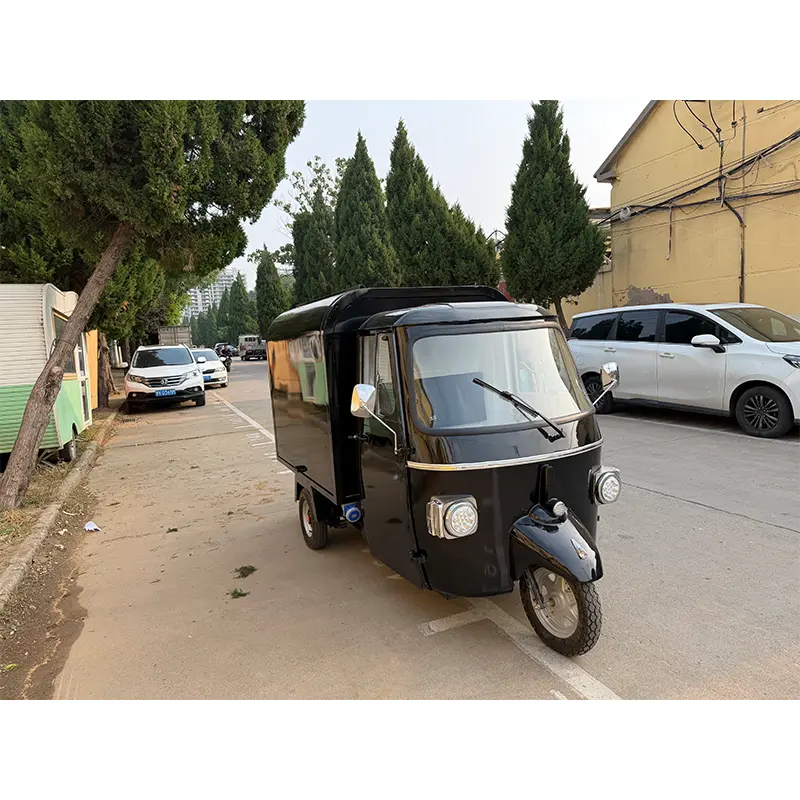
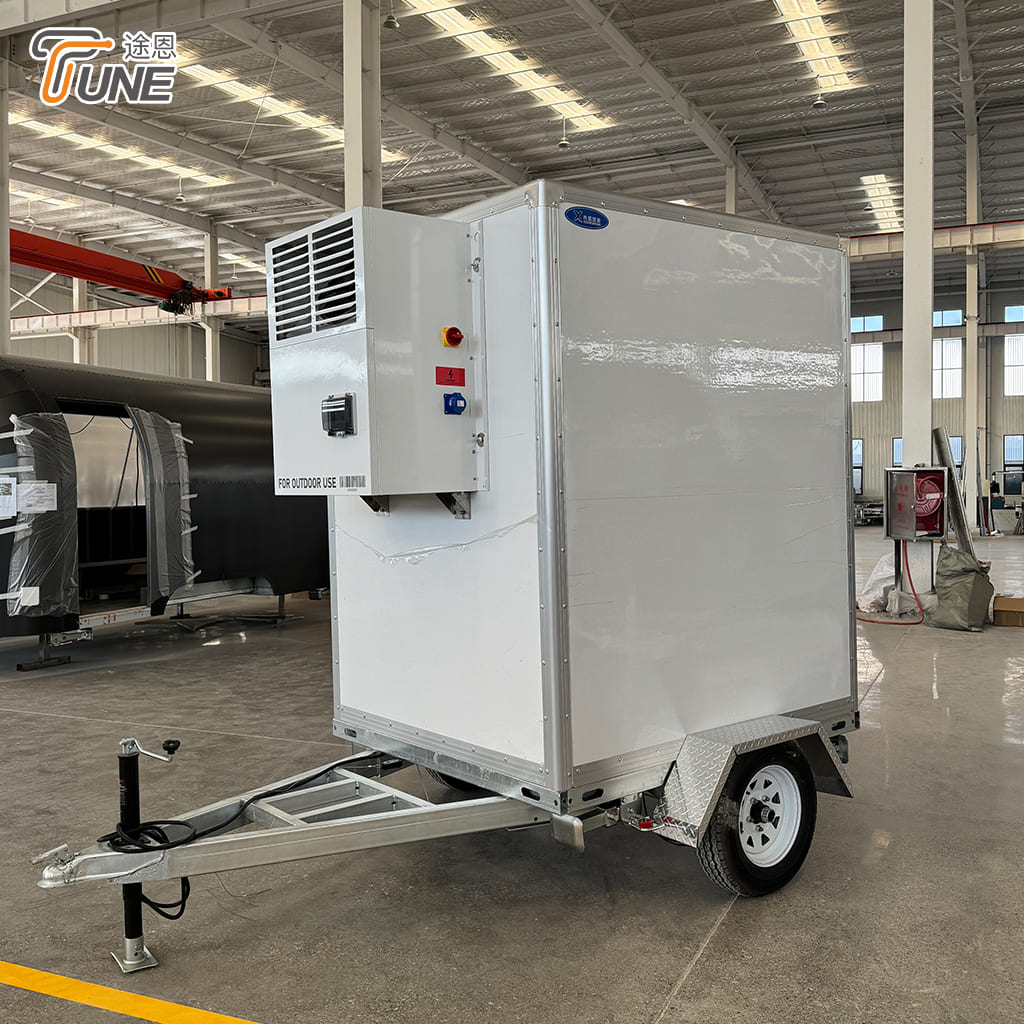
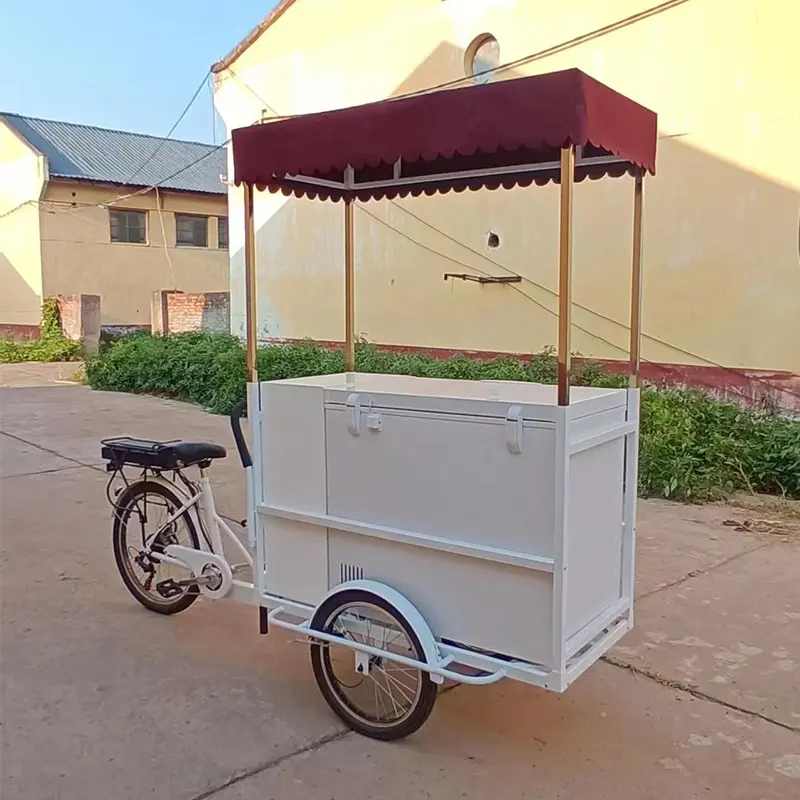
At TUNE, we manufacture food trucks, food trailers, food carts, food kiosks, and other customized mobile commercial units. Founded in 2015, Qingdao Tune Technology Co., Ltd. operates a 4,500 m² production facility in Qingdao, China, serving customers in more than 50 countries.

Our OEM/ODM service covers customized layouts, 2D and 3D drawings, equipment arrangements, exterior finishes, and branding requirements. We can also support project discussions involving bulk orders, factory-direct pricing, and third-party inspection through SGS or Intertek. Depending on the product and destination market, relevant CE, ISO 9001, and DOT documentation can be discussed and verified for the specific configuration.

For businesses comparing different mobile catering solutions, you can also explore our custom food trucks and luxury mobile restroom trailers to learn more about our manufacturing range.

8. Frequently Asked Questions

What is a COC food trailer?

A COC food trailer is a trailer supplied with a Certificate of Conformity confirming conformity with the applicable vehicle type-approval requirements. The document should correspond to the specific vehicle identification number and configuration. Additional registration or inspection requirements may still apply in the destination country.

Is a COC approved food trailer automatically road legal in the UK?

Not necessarily. COC documentation supports the vehicle registration process, but UK registration requirements depend on the trailer's approval status, specifications, and applicable regulations. We recommend confirming the required documents and procedures with the relevant UK authorities before importing.

What is the axle rating of TUNE's 3.5m Mirror Finish Food Trailer?

Our specified configuration uses an AL-KO rubber torsion axle rated at 1,500 kg. The axle rating should be considered together with the trailer's gross vehicle weight, unladen weight, payload, and actual load distribution.

What materials are used in the mirror finish food trailer?

The exterior uses polished mirror stainless steel panels, while the chassis is constructed from reinforced rectangular tubular steel with hot-dip galvanizing treatment. The interior work surfaces, cupboards, and backsplash use food-grade 304 stainless steel. A polyurethane insulation core is installed within the exterior body structure.

Can TUNE customize the kitchen layout and equipment?

Yes. Through our OEM/ODM service, we can discuss customized kitchen layouts, equipment positions, exterior finishes, logos, and other project requirements. We recommend providing your menu, equipment list, and destination country so our team can prepare suitable 2D or 3D layout drawings.

What food businesses are suitable for a 3.5m catering trailer?

A 3.5m catering trailer can accommodate compact commercial concepts such as specialty coffee bars, burger kitchens, street food stalls, dessert counters, and event catering operations. The final suitability depends on the cooking equipment, staff numbers, ventilation requirements, and available working space.

How does TUNE inspect a food trailer before shipment?

Our inspection process includes a 30-minute high-pressure water test around key exterior sealing areas, electrical insulation resistance testing, and brake balance calibration. We also arrange protective wooden crating to reduce the risk of damage to the mirror stainless steel finish during international transportation.

Does TUNE provide international shipping and warranty support?

Yes. We support international shipping arrangements, including CIF ocean freight options to designated ports. Our company provides a 12-month structural warranty, with the specific coverage and terms confirmed in the project agreement.

Related News
Leave me a message
X
We use cookies to offer you a better browsing experience, analyze site traffic and personalize content. By using this site, you agree to our use of cookies. Privacy Policy
RejectAccept