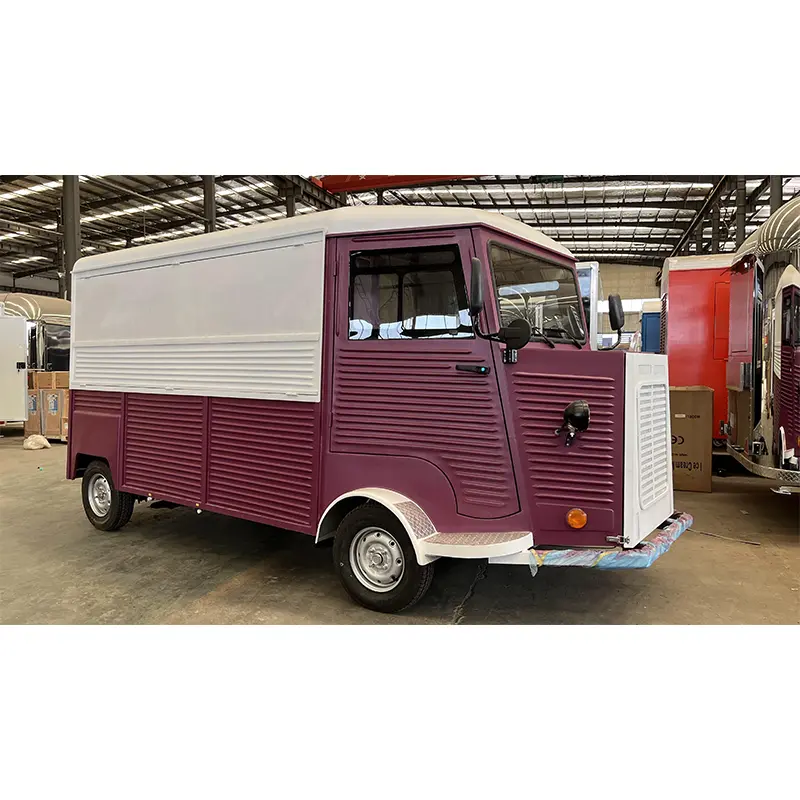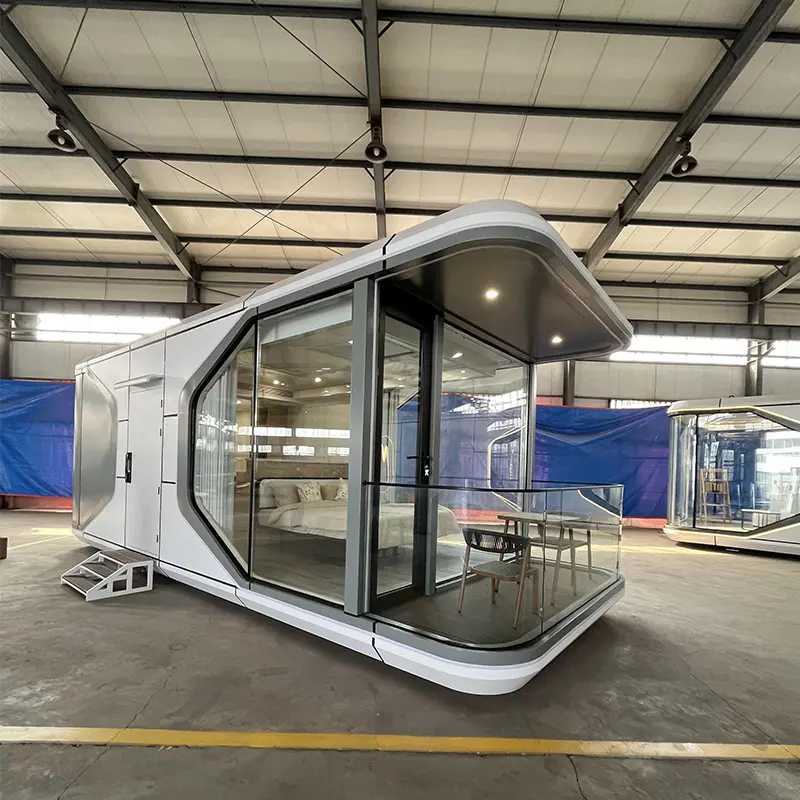
Article Summary: A well-designed mobile catering trailer can help food entrepreneurs launch a flexible food service business, reach new customers, and operate at markets, festivals, private events, and outdoor venues. The 2.8m Round Mobile Catering Trailer with EU Approval is a targeted option for buyers seeking a distinctive round-style catering unit with a compact footprint and documentation suitable for their intended European market. For buyers evaluating mobile catering solutions, TUNE encourages careful consideration of interior workflow, equipment compatibility, transport requirements, hygiene provisions, and applicable compliance documentation before making a purchasing decision.
1. What Is a 2.8m Round Mobile Catering Trailer?
2. What Are the Main Benefits of a Round Catering Trailer?
3. Where Can You Use This Mobile Catering Solution?
4. Which Design Features Should Buyers Evaluate?
5. How Does It Compare with Other Catering Formats?
6. What Does EU Approval Mean for Buyers?
7. How Do You Choose the Right Catering Trailer?
9. Conclusion: Plan Your Mobile Catering Business
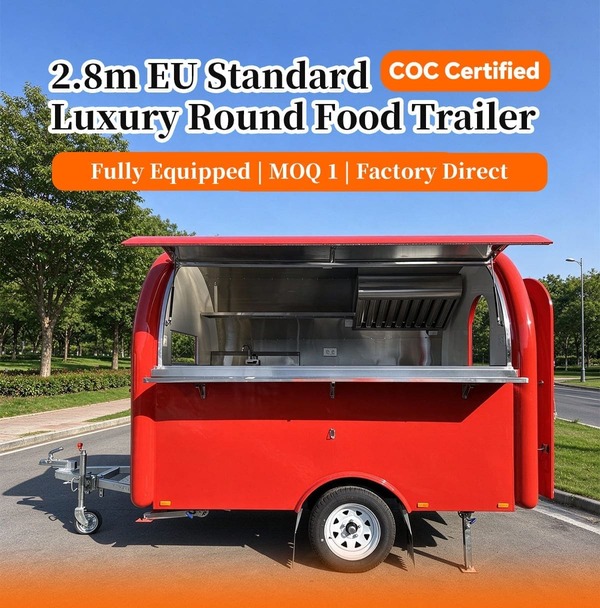
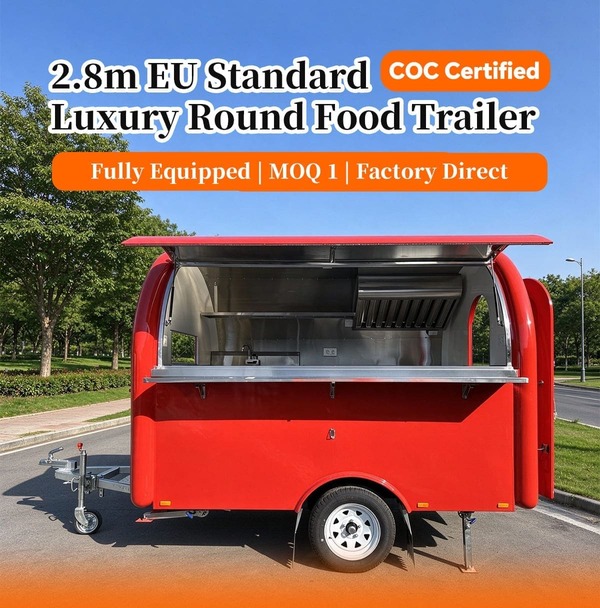
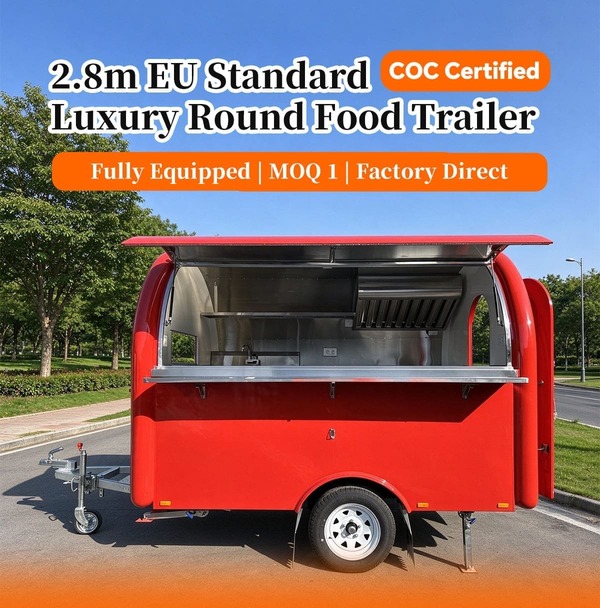
A 2.8m round mobile catering trailer is a compact mobile food-service concept designed around a distinctive circular exterior profile. Depending on its configuration, it can provide a dedicated workspace for preparing, displaying, and serving food or beverages at temporary and semi-permanent locations. Its rounded appearance can also help a catering business establish a recognizable visual identity in competitive outdoor environments.
For businesses exploring this format, the stated 2.8m dimension should be clarified with the supplier. Buyers need to establish whether it refers to the overall diameter, body width, or another external measurement. This distinction affects transport planning, site allocation, access clearance, and the usable interior area.
When assessing the 2.8m Round Mobile Catering Trailer with EU Approval, buyers should look beyond its appearance. A successful catering unit must accommodate the actual menu, staff movements, food preparation procedures, storage needs, and utility connections required for daily operation.
For example, a coffee and beverage operation may prioritize a service counter, refrigeration, and beverage equipment. A street-food business may instead need additional preparation surfaces, ventilation, cooking equipment, and dedicated storage. The best configuration is therefore the one that supports a clearly defined business model.
A round catering trailer can combine distinctive presentation with a mobile business format. Its commercial value depends on the selected configuration, build quality, operating location, and the owner's ability to deliver a consistent customer experience.
A circular exterior can create a memorable focal point at food festivals, markets, sporting events, and private functions. Exterior colors, menu boards, signage, and brand graphics can further strengthen recognition. A cohesive design helps customers identify the business and understand its offering before approaching the counter.
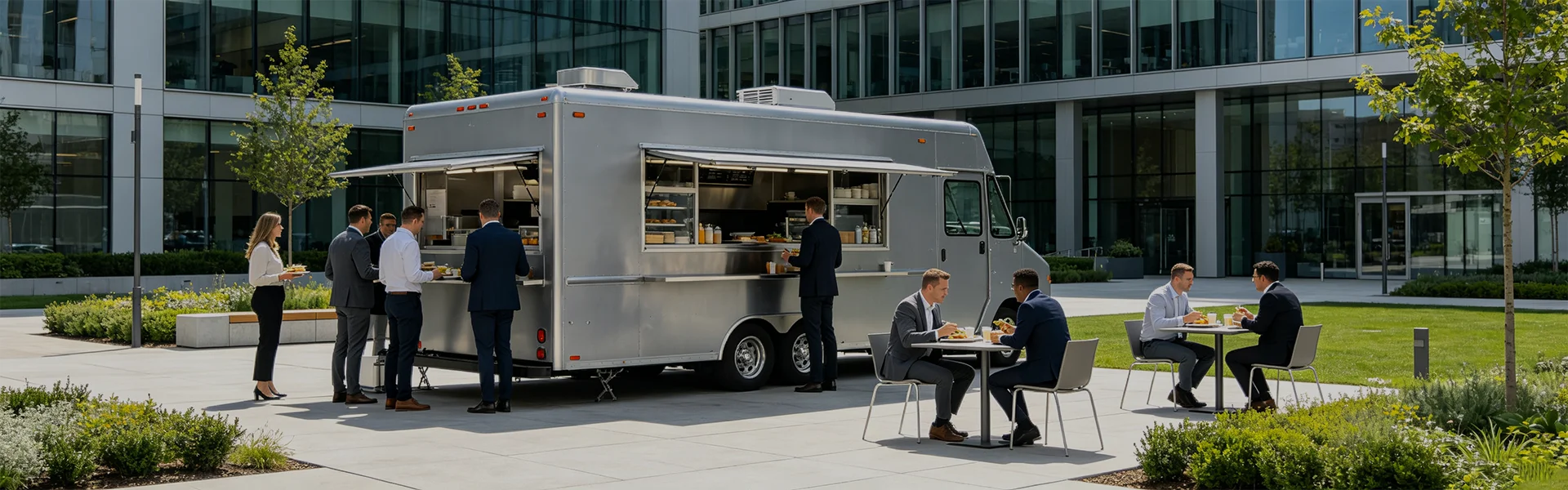
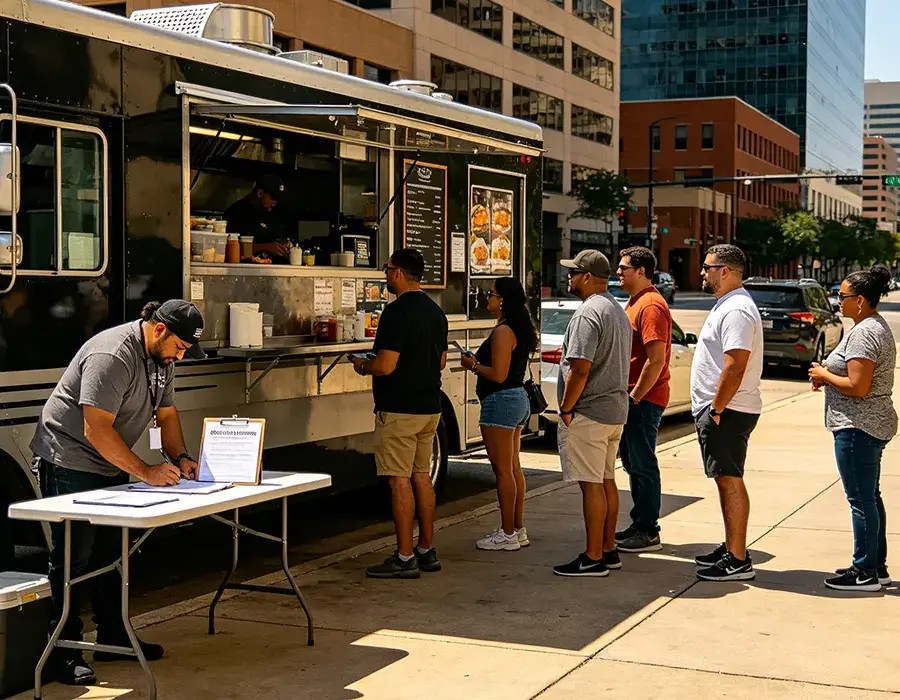
A mobile catering setup can serve different customer groups without requiring a conventional permanent storefront. Depending on local permissions and transport arrangements, operators may serve events, seasonal markets, private celebrations, or designated commercial sites.
A compact footprint encourages careful planning of equipment placement and staff movement. However, a curved exterior does not automatically create more usable space. Buyers should request an interior layout and confirm clear working dimensions before choosing refrigeration units, sinks, counters, or cooking appliances.
Compared with a generic serving stand, a purpose-designed trailer offers more opportunities to coordinate the exterior, service counter, lighting, menu display, and brand colors. These details can support customer recall and consistent presentation across different events.
The suitability of a round mobile catering trailer depends on the food category, local operating conditions, available utilities, and the configuration selected. Several business models may benefit from this format.
A dedicated service counter can support takeaway-oriented menus such as sandwiches, snacks, simple hot meals, or other products compatible with the installed equipment. The layout should separate raw ingredients, prepared food, packaging, and waste wherever necessary to reduce contamination risks and improve service efficiency.
For coffee, tea, juice, and other beverages, buyers should consider water storage or supply, wastewater handling, refrigeration, electrical capacity, and equipment positioning. The service counter should allow staff to prepare drinks without obstructing customer collection.
A distinctive trailer can serve as a branded sales point at temporary events. Before deployment, operators should confirm site dimensions, ground conditions, access routes, power availability, water arrangements, and any restrictions imposed by event organizers.
Weddings, corporate gatherings, community celebrations, and seasonal attractions can create opportunities for mobile food service. In these situations, appearance and presentation may be as important as the practical ability to transport, position, and prepare the unit for service.
For any application, assess the intended menu and operating environment before selecting optional equipment. A trailer designed for packaged snacks may require a very different fit-out from one used for hot food preparation.
When reviewing a 2.8m Round Mobile Catering Trailer with EU Approval, buyers should request a written specification instead of relying solely on product photographs or a general description.
| Evaluation Area | What to Check | Why It Matters |
|---|---|---|
| External dimensions | Confirm the meaning of the 2.8m measurement and the complete transport dimensions. | Supports site planning and transport arrangements. |
| Interior layout | Review the floor plan, counter positions, access points, and available workspace. | Helps staff work efficiently in a compact area. |
| Construction materials | Ask about structural materials, surface finishes, corrosion protection, and cleaning requirements. | Helps assess durability and long-term maintenance. |
| Food preparation | Check sink arrangements, washable surfaces, handwashing provisions, and food-contact materials. | Supports hygienic food handling. |
| Electrical system | Confirm voltage, frequency, rated load, protection devices, and connection requirements. | Reduces equipment compatibility and installation risks. |
| Water and drainage | Verify potable-water supply, wastewater capacity, and drainage arrangements. | Supports cleaning and routine food-service operations. |
| Transport and stability | Request the permitted loaded mass, axle details, coupling specifications, and applicable road documentation. | Helps determine whether the trailer can be legally and safely transported. |
| Compliance documents | Identify the exact approval, applicable regulations, document holder, and covered configuration. | Reduces uncertainty during purchasing and local approval checks. |
Buyers should also confirm whether refrigeration, cooking appliances, extraction systems, counters, lighting, branding, and water tanks are included or supplied as optional extras. A clear scope of supply makes quotations easier to compare and helps prevent unexpected fit-out costs.
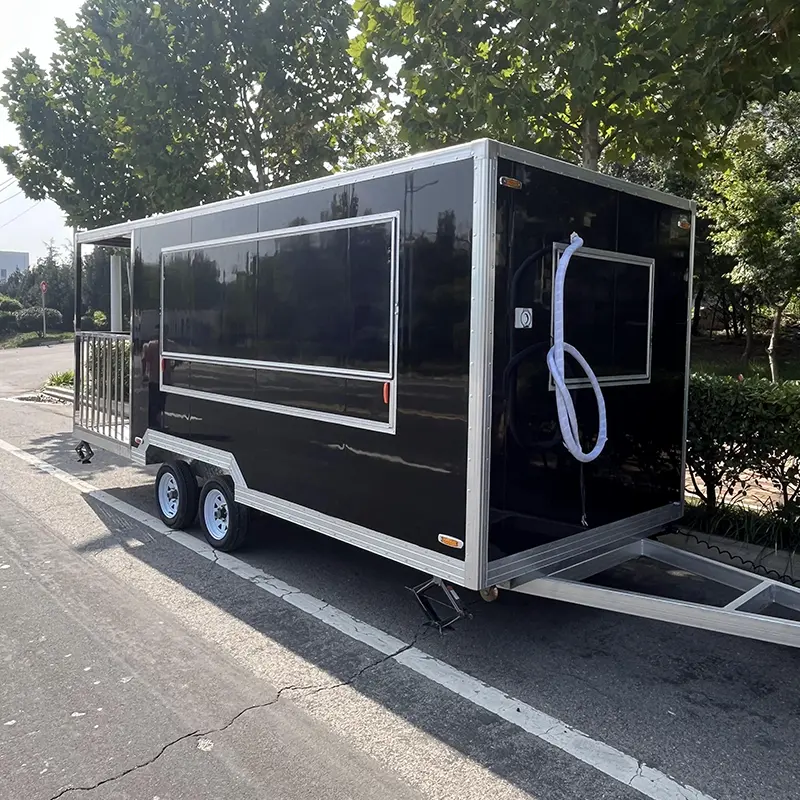
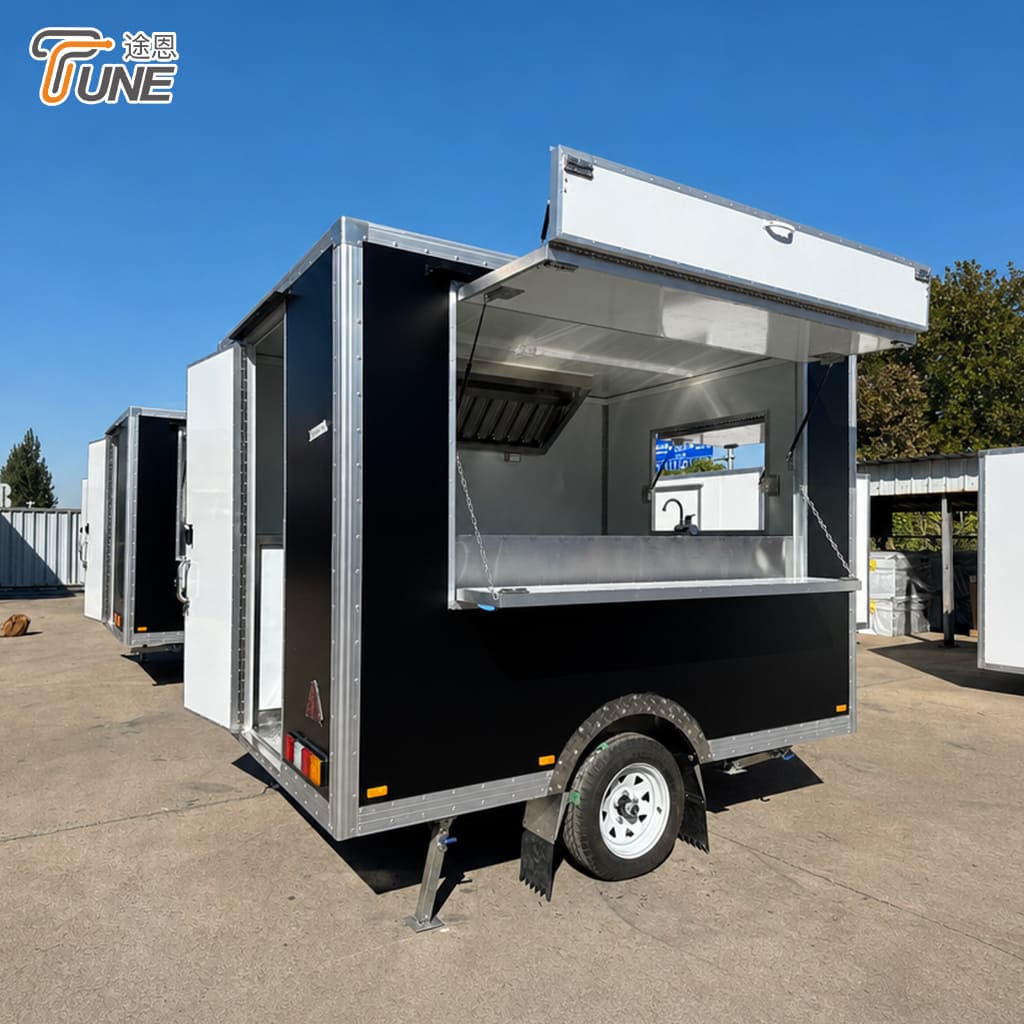
Different mobile food-service formats serve different operational needs. The round trailer may be attractive to buyers who prioritize visual identity and a dedicated service unit, while other formats can be more appropriate for different budgets or operating conditions.
| Format | Potential Advantages | Important Considerations |
|---|---|---|
| 2.8m round catering trailer | Distinctive appearance and a dedicated catering workspace. | Confirm usable interior dimensions, towing compatibility, and equipment capacity. |
| Rectangular catering trailer | Often easier to arrange in straight counter and equipment lines. | Visual differentiation depends on the design and branding. |
| Food truck | Combines the catering space and vehicle in one unit. | Vehicle maintenance, driving requirements, and purchase costs require evaluation. |
| Portable food kiosk | Can suit fixed market stalls and sites with limited transport needs. | May require separate transport and installation arrangements. |
| Permanent food outlet | Can support a larger kitchen and a stable customer location. | Typically involves premises, utilities, lease, and fit-out commitments. |
No format is universally superior. A buyer should compare the total cost of ownership, setup time, operating flexibility, service capacity, and location requirements rather than making a decision based on appearance alone.
The phrase "EU Approval" is an important purchasing consideration, but it should be verified against the exact trailer and its intended use. It should not be interpreted as automatic authorization for every European country, road condition, food-service activity, or installed appliance.
Before ordering, ask the supplier to identify the specific approval or conformity documentation being offered. Depending on the product design and intended use, relevant questions may include whether the trailer requires road-vehicle type approval, individual vehicle approval, or other applicable conformity assessments. The applicable route must be confirmed for the destination country and the precise vehicle category.
Food hygiene is a separate consideration. The European Commission explains that food businesses must comply with applicable food hygiene rules, including Regulation (EC) No 852/2004. The regulation also addresses movable or temporary food premises and emphasizes contamination prevention, suitable facilities, and cleanable food-contact surfaces.
Buyers can consult the official European Commission food hygiene guidance and the relevant EU food hygiene regulation for further information.
Before treating an approval claim as a purchasing advantage, request the following:
Remember that a trailer's technical documentation and the operator's permission to sell food are different matters. Requirements may depend on the country, municipality, food category, site, and equipment installed. Verify these points with the appropriate authorities before committing to a purchase.
Choosing a suitable mobile catering unit begins with defining the business model and turning it into a practical specification. This approach helps buyers avoid paying for unnecessary features or discovering critical limitations after delivery.
List the products you intend to sell and identify each preparation, storage, cooking, serving, and cleaning task. Use these requirements to determine the number and position of counters, appliances, sinks, and storage areas.
Request a dimensioned drawing and verify the overall length, width, height, operating footprint, loaded mass, and access requirements. If the unit will be towed, confirm compatibility with the towing vehicle and the applicable road regulations.
Ask for an itemized quotation identifying standard equipment, optional extras, installation work, utility connections, and any equipment supplied separately. Check electrical loads, water capacity, ventilation, and maintenance access before approving the layout.
Share the intended destination country and business application with the supplier. Ask which technical documents are available and independently verify the approval pathway, registration conditions, and food-business requirements that apply to your project.
Purchase price is only one part of the budget. Consider freight, import charges, local registration, equipment installation, branding, insurance, utilities, cleaning supplies, maintenance, and event-site fees where applicable.
A written checklist makes supplier discussions more productive and provides a consistent basis for comparing competing offers.
It should be confirmed with the supplier. The measurement may refer to a particular external dimension rather than the complete trailer length or the usable interior space. Request a dimensioned drawing before planning transport or installation.
It may suit a compact takeaway, beverage, snack, or event-catering operation if the layout accommodates the menu and required equipment. Suitability depends on the available workspace, staff numbers, storage, utilities, and applicable hygiene requirements.
No. The exact approval scope must be verified, and additional requirements may apply to road registration, food-business operation, installed equipment, and local trading locations. Buyers should confirm requirements with the relevant authorities in their destination country.
Customization may be available depending on the supplier's capabilities. Ask about counter layouts, exterior colors, branding, lighting, storage, sinks, electrical systems, and equipment integration. Confirm how each modification affects the final specifications and compliance documents.
The equipment depends on the menu. Typical items to evaluate include work counters, refrigeration, handwashing facilities, food preparation surfaces, water and wastewater systems, lighting, and suitable electrical connections. Cooking appliances and extraction systems may be required for hot-food operations.
Request the relevant certificate, declaration, or vehicle approval documentation and check its issuing authority, validity, scope, model identification, and applicability to the supplied configuration. Seek confirmation from the relevant national authority when necessary.
Provide your destination country, intended menu, preferred dimensions, expected equipment list, customization needs, target delivery schedule, and required documentation. These details help the supplier assess feasibility and prepare a more useful quotation.
A 2.8m Round Mobile Catering Trailer with EU Approval can be a compelling option for entrepreneurs seeking a distinctive mobile food-service format. The strongest purchasing decision combines an efficient interior layout, suitable construction, compatible equipment, practical maintenance, and verified documentation. Rather than relying on a product title alone, buyers should establish the exact dimensions, scope of supply, and regulatory requirements before placing an order.
TUNE welcomes inquiries from buyers exploring mobile catering solutions and looking to clarify their project specifications. Whether you are planning a coffee kiosk, a takeaway business, or an event-focused food service, prepare your requirements and discuss the available options with the supplier. For product specifications, customization possibilities, documentation details, and a quotation tailored to your market, contact us to discuss your mobile catering project and take the next step toward building your business.