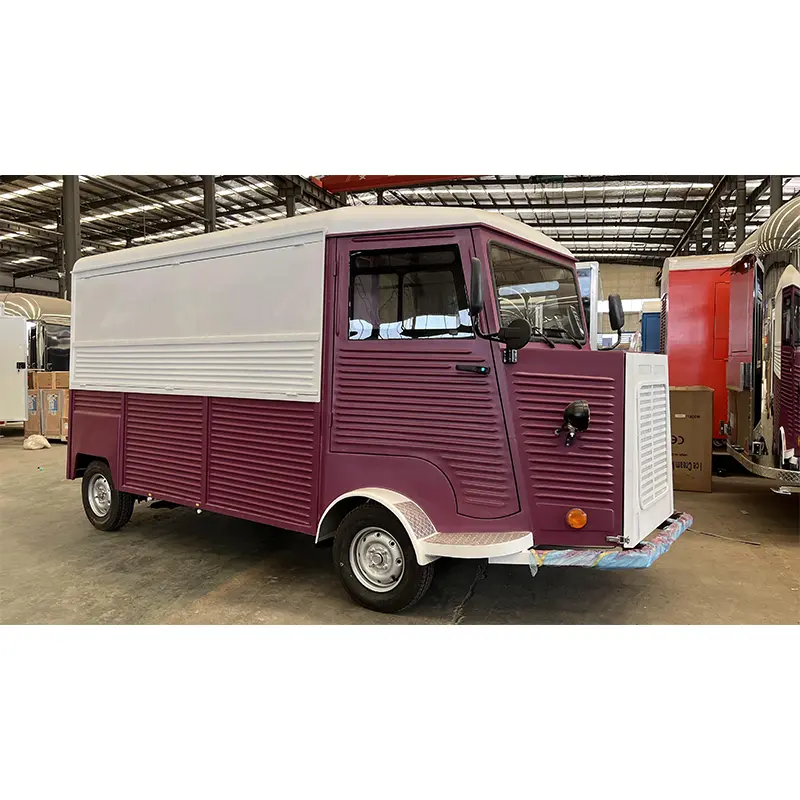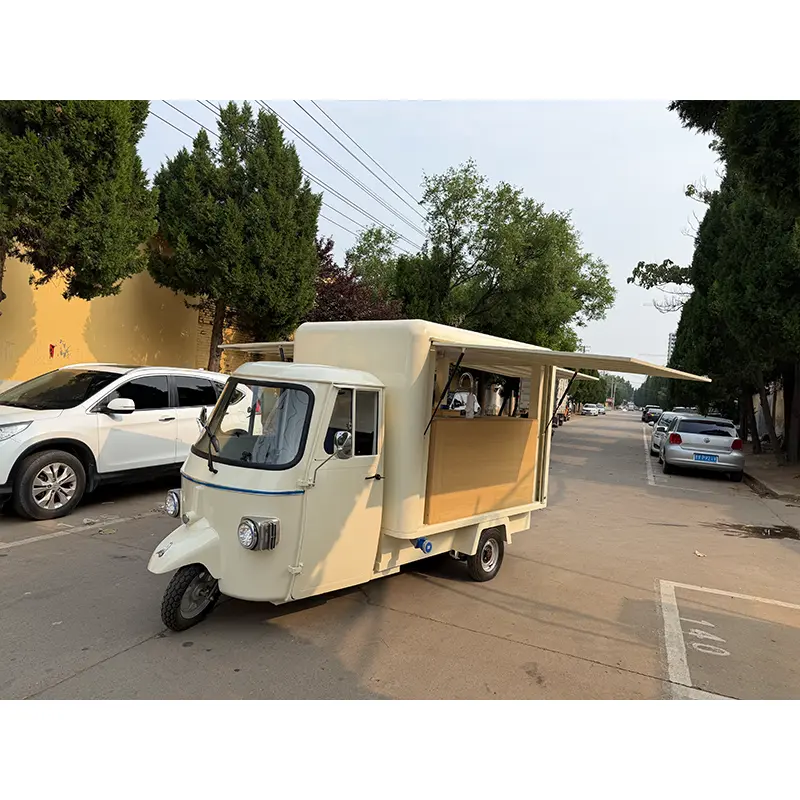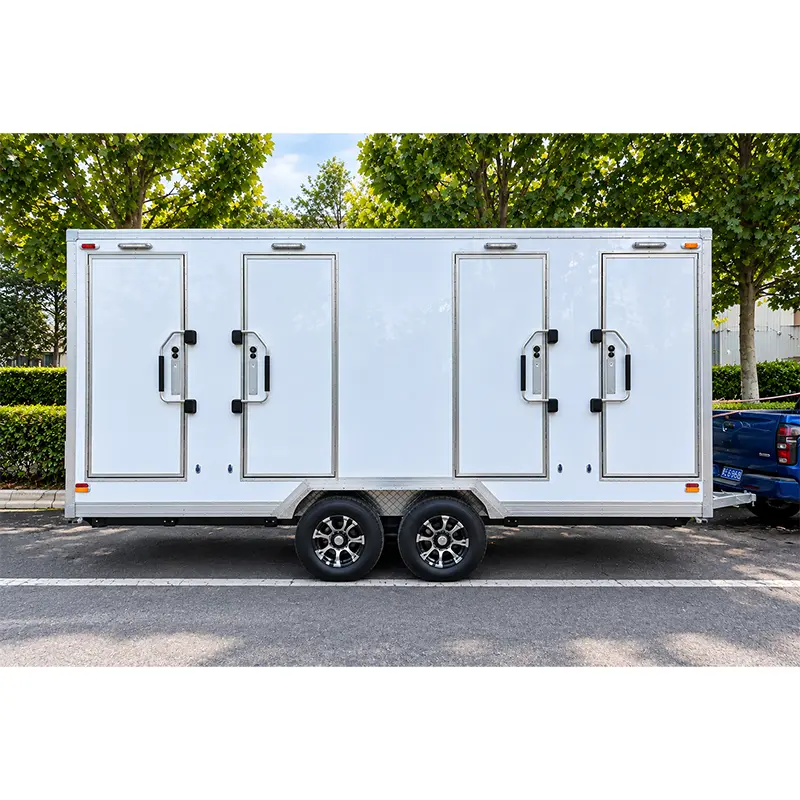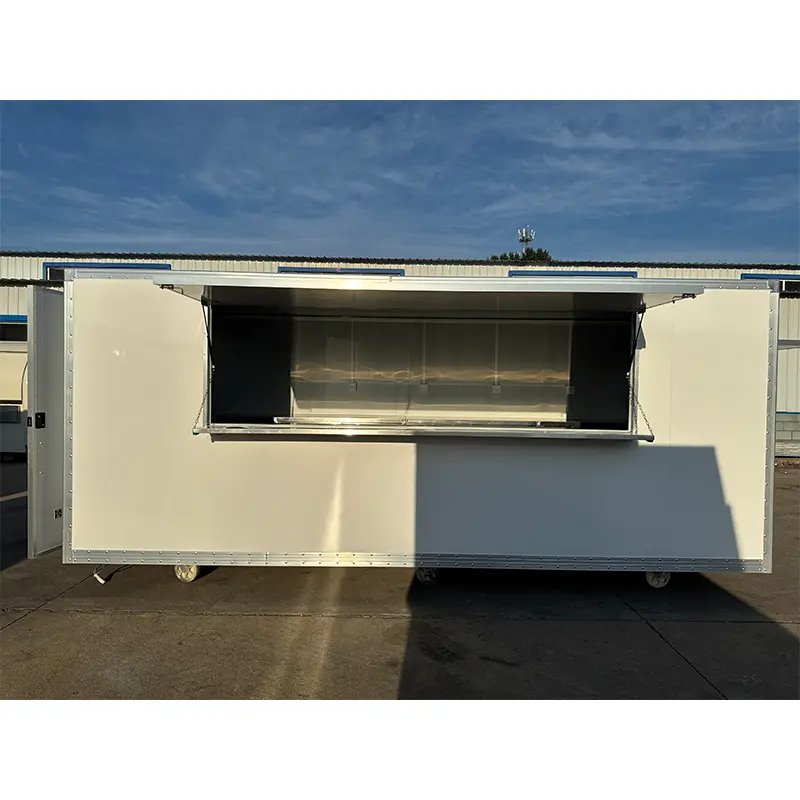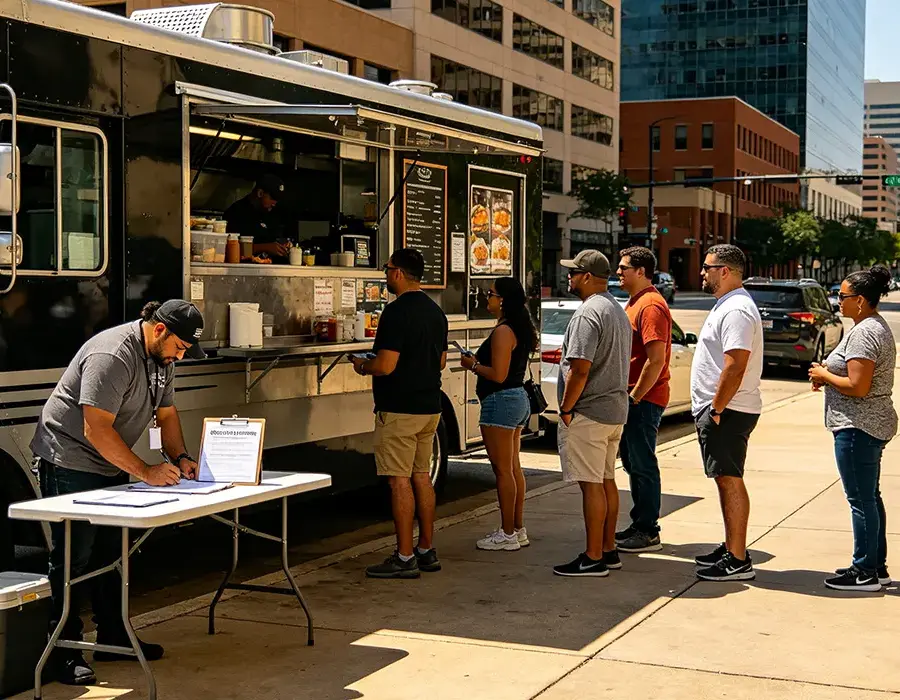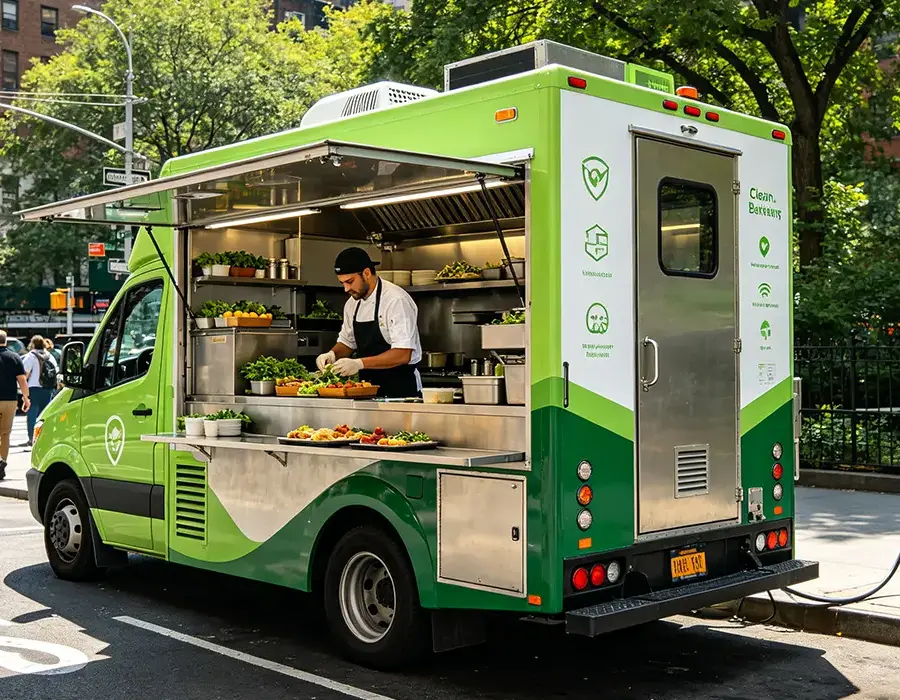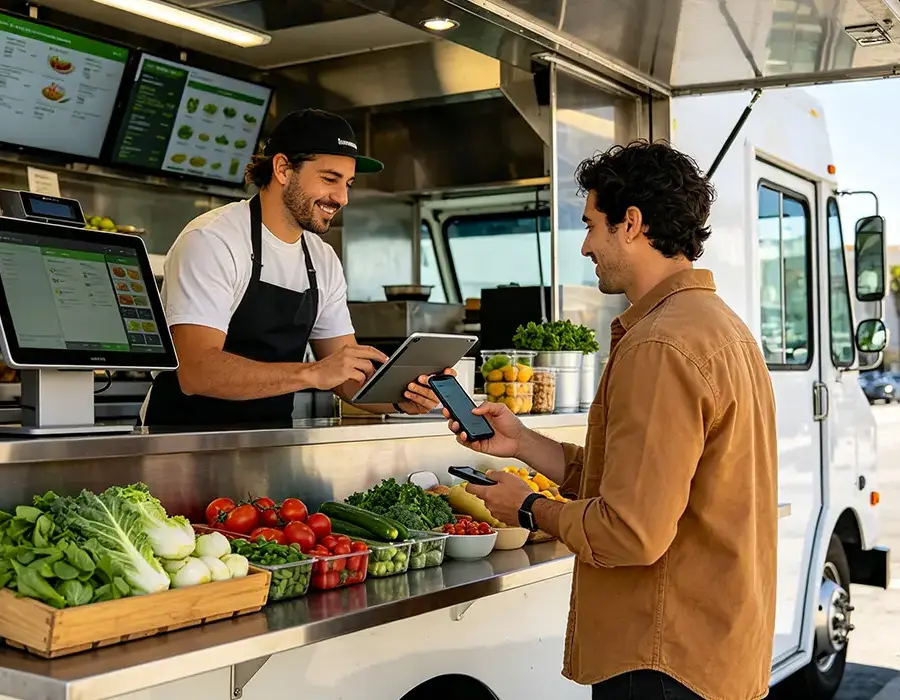
Texas has officially rolled out a statewide unified licensing system for food trucks, replacing the fragmented local permit rules that have long troubled mobile food vendors across the state. The new regulatory framework took mandatory effect on July 1, 2026, bringing unprecedented standardization to the food truck industry in Texas.
Previously, food truck operators in Texas faced complicated approval processes, with separate permit standards, inspection rules, and fees in each city and county. Cross-city business expansion required repeated applications and compliance checks, raising operational costs and limiting industry development. The new system centralizes all licensing and inspection authority under the Texas Department of State Health Services, establishing a unified health and safety code exclusively for mobile food vendors.
The state has launched a three-tiered license system based on business scale, menu complexity, and service scope, covering small street vendors, event-based food trucks, and large-scale mobile catering vehicles. All valid local permits expired on June 30, 2026, and over 2,000 food truck operators across Texas have completed the new statewide registration since the opening of the application window on June 1.
Local food truck owners report significant improvements in operational efficiency. “We used to spend weeks sorting out permits for neighboring cities,” said a Dallas-based food truck operator. “The unified system cuts red tape drastically, allowing us to focus on food quality and customer service.” Industry analysts note that the policy reform will lower entry barriers, standardize food safety supervision, and boost the healthy growth of Texas’s mobile food service market.
We use cookies to offer you a better browsing experience, analyze site traffic and personalize content. By using this site, you agree to our use of cookies. Privacy Policy