Products
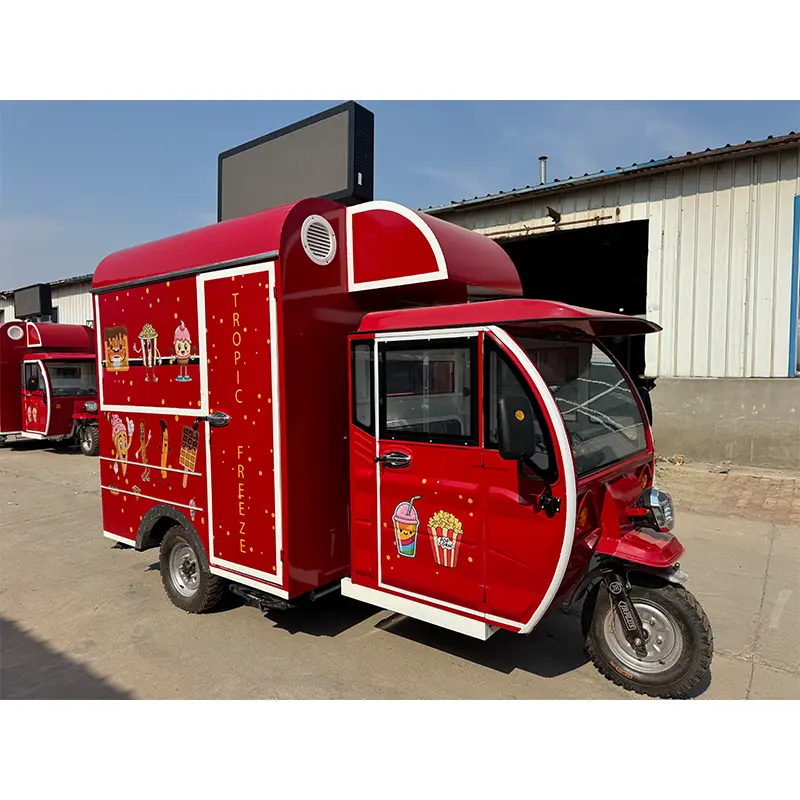
Electric Three Wheeled Mobile Food Cart
  • Electric Three Wheeled Mobile Food CartElectric Three Wheeled Mobile Food Cart
  • Electric Three Wheeled Mobile Food CartElectric Three Wheeled Mobile Food Cart
  • Electric Three Wheeled Mobile Food CartElectric Three Wheeled Mobile Food Cart

Electric Three Wheeled Mobile Food Cart

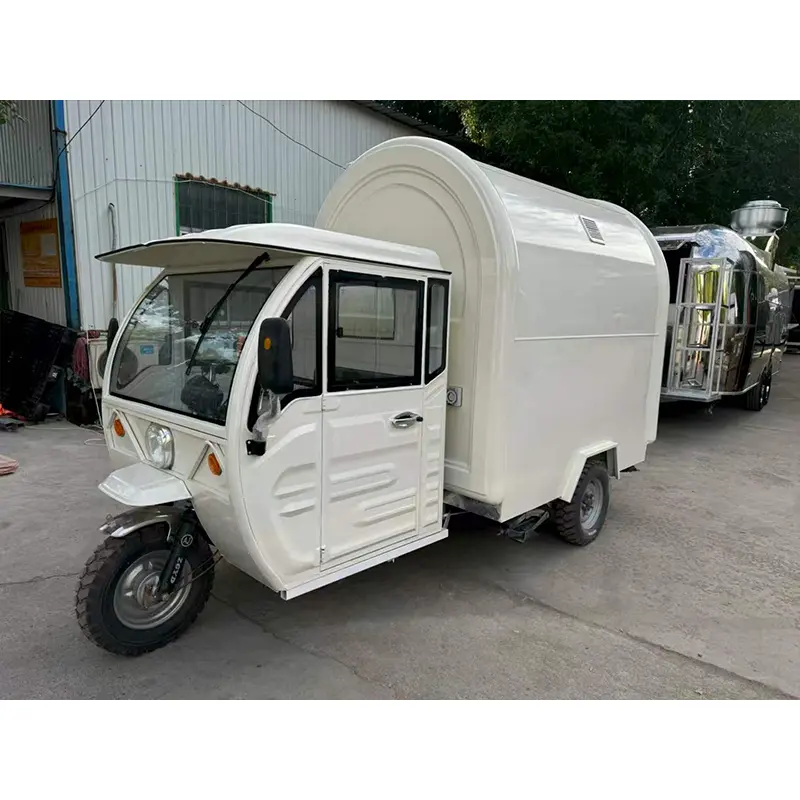
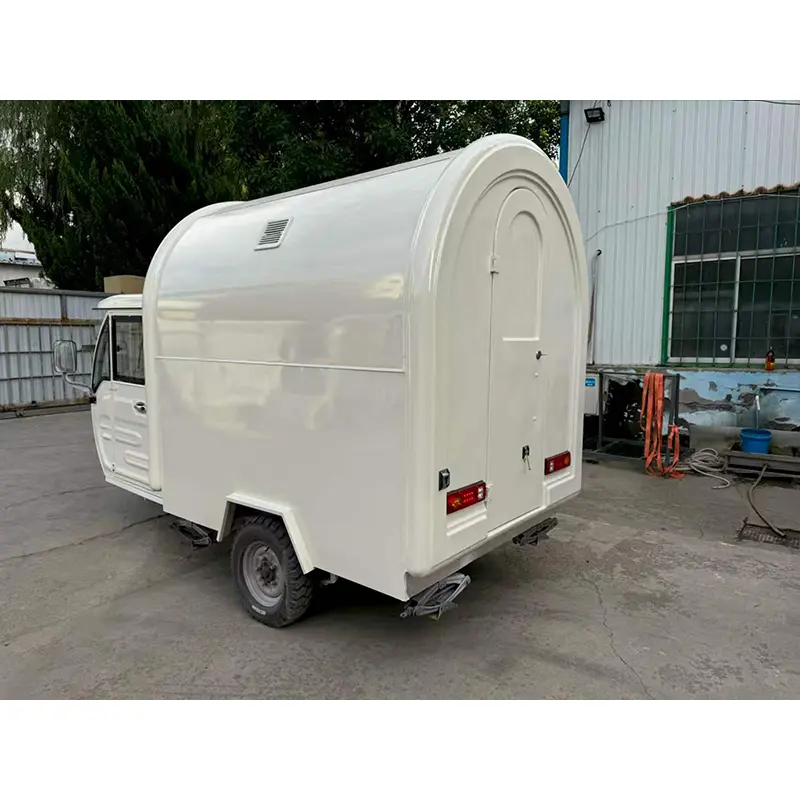
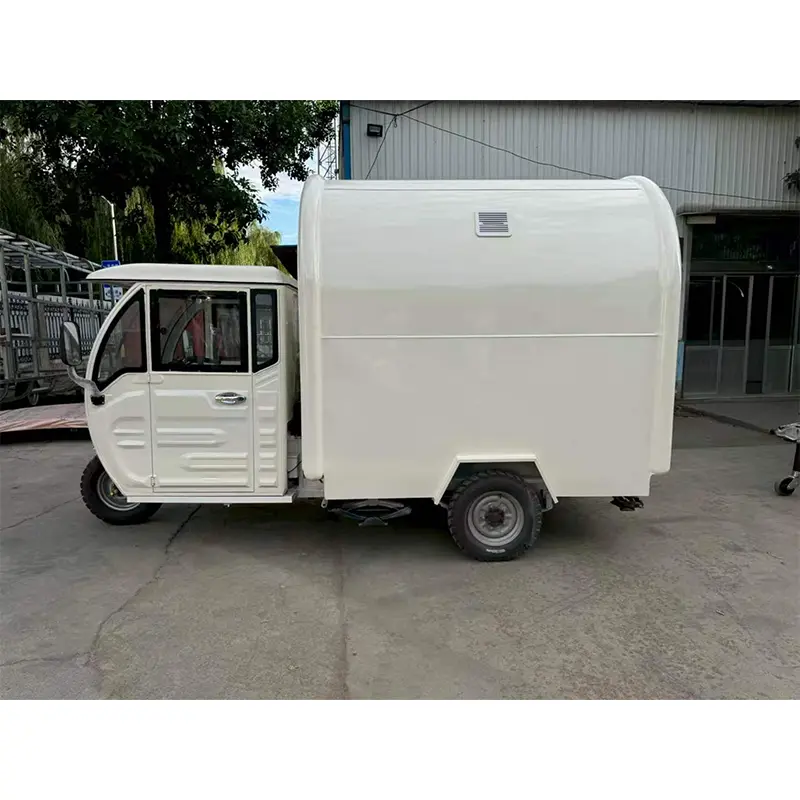
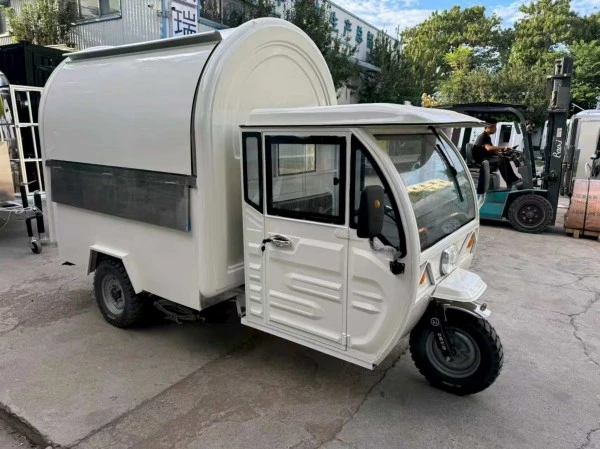
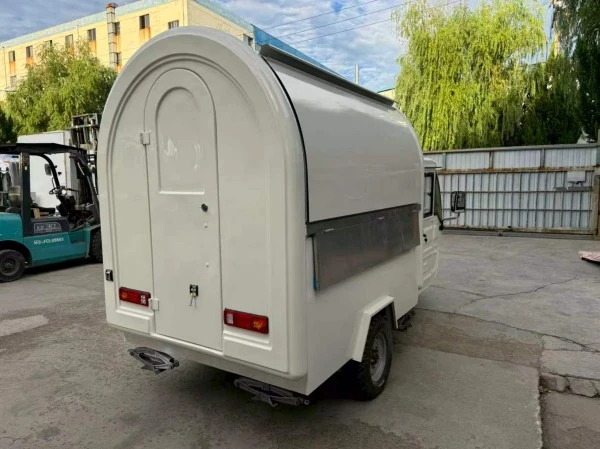
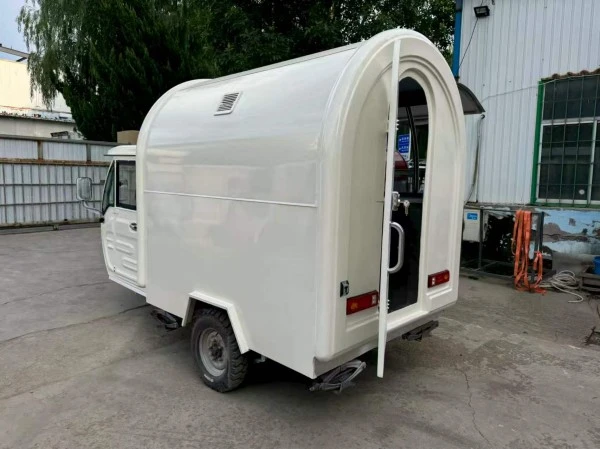
TUNE Factory Electric Three Wheeled Mobile Food Cart combines a compact 3-wheel chassis, 48V/60V lithium battery options, stainless-steel work counters, double sinks and customizable cooking equipment for low-noise street vending in markets, campuses, parks and event areas.

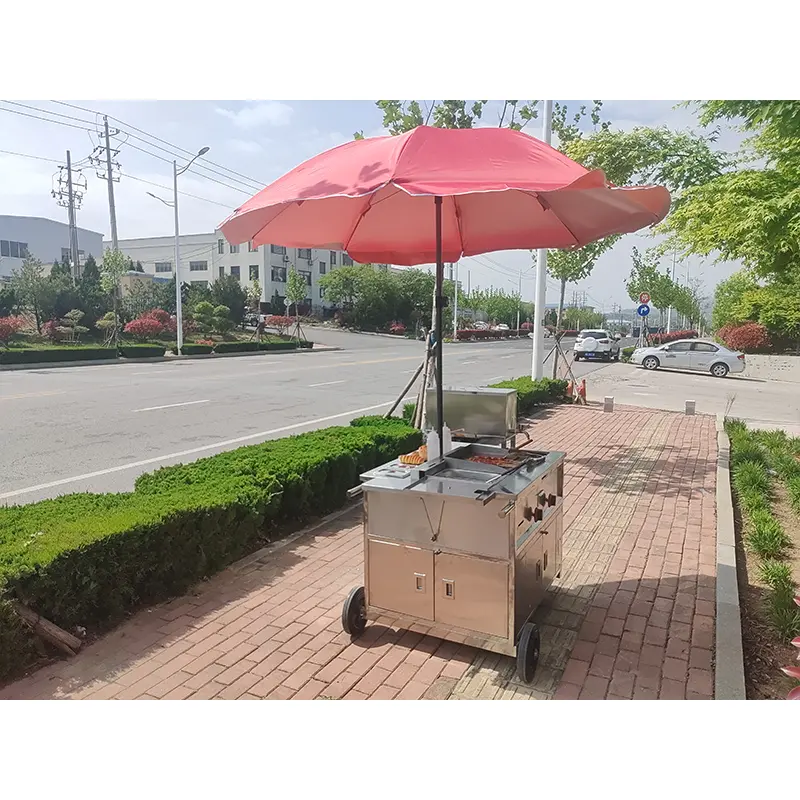
The TUNE electric three-wheeled mobile food cart is a compact, battery-powered vending vehicle for urban vendors, event operators, and mobile food businesses. It is designed for short-distance movement in areas where a conventional trailer may be difficult to tow or position. TUNE manufactures this cart with customizable layouts for coffee, juice, snacks, crepes, hot dogs, ice cream, and other light food products. As a manufacturer with over 10 years of experience in custom mobile food equipment, TUNE supplies wholesale electric food carts to customers in North America, Europe, and Australia.

The cart uses a galvanized steel chassis with a color-plate or fiberglass body. The stainless-steel working area can be arranged according to the menu, daily output, and number of operators. Because the interior space is more compact than a full-size food trailer, the equipment layout should be developed around the specific products and service flow.

A lithium battery-powered version helps reduce local exhaust emissions and operating noise. The reference information indicates approximately 45–60 km per charge under suitable operating conditions. Actual driving range depends on battery capacity, road slope, load, speed, temperature, tire pressure, and frequency of stops. The final battery and motor configuration should be confirmed before production.

Electric Three Wheeled Mobile Food CartElectric Three Wheeled Mobile Food CartElectric Three Wheeled Mobile Food Cart

Certification & Quality Assurance

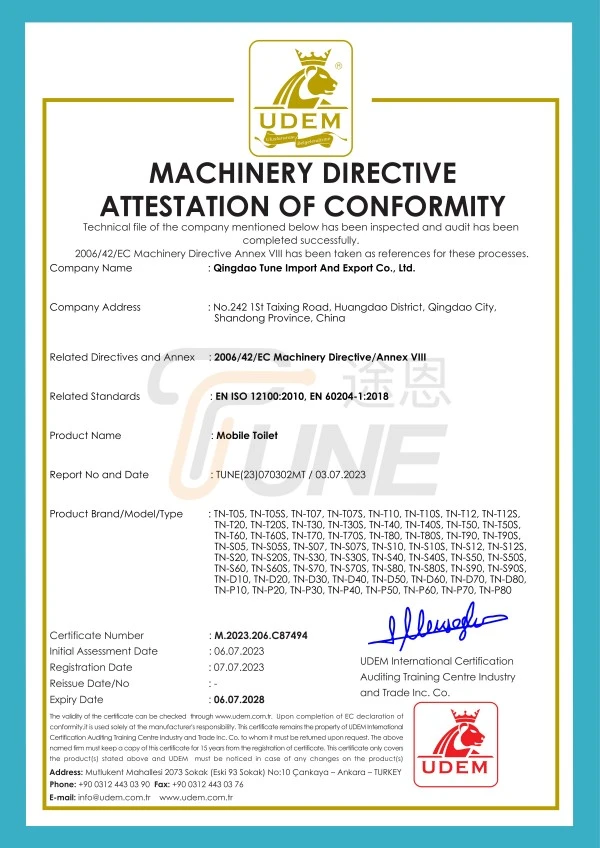
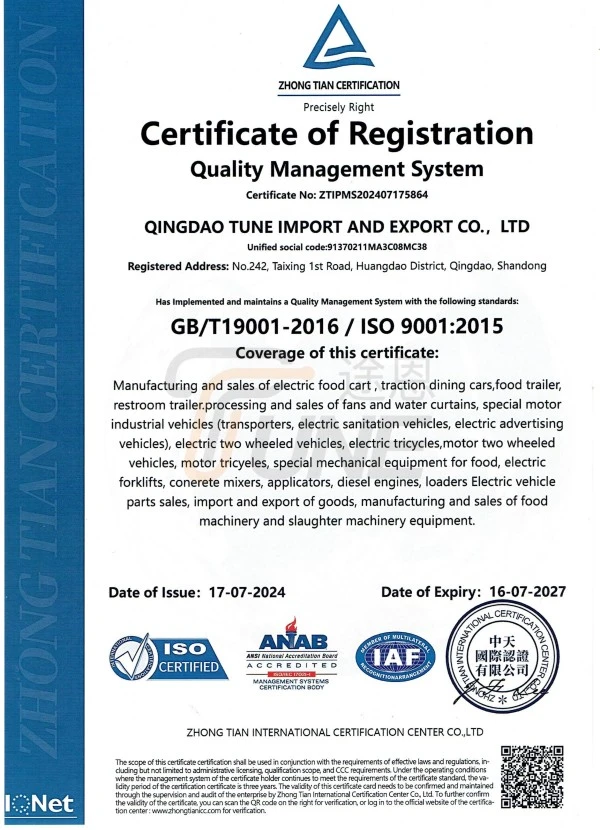
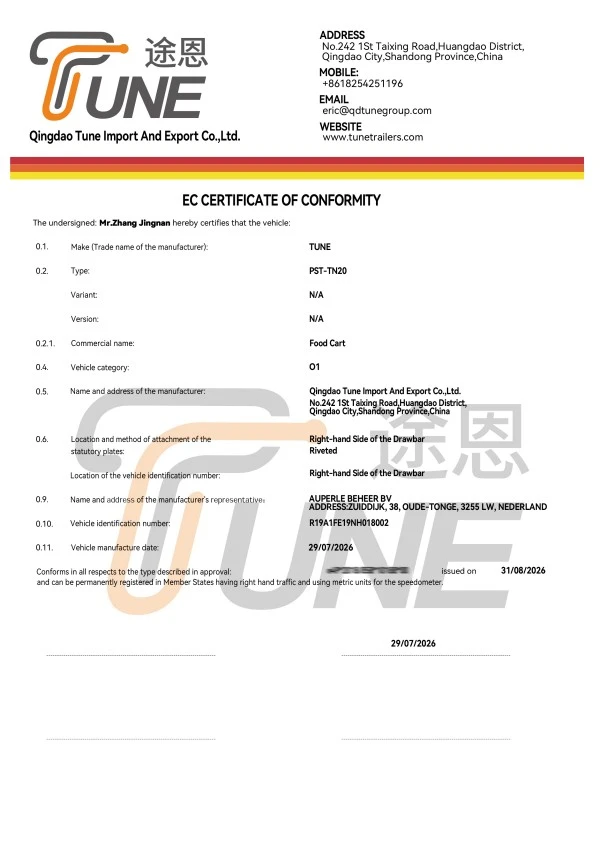
TUNE's electric mobile food carts are manufactured under ISO 9001 quality management. CE and COC documentation can be supplied for the completed vehicle and selected electrical system, based on the final configuration and destination market. Each cart goes through a documented inspection process before shipment.

CE certification for TUNE electric food cartISO 9001 quality management certificationCOC certificate of conformity for mobile food cart

Main Technical Parameters

Item

Reference Specification

Product Name

Electric Three-Wheeled Mobile Food Cart

Condition

New

Brand

TUNE

Place of Origin

Shandong, China

Reference Dimensions

3,850 × 1,750 × 2,300 mm

Reference Weight

Approximately 550 kg

Body Material

Color plate / fiberglass

Chassis

Galvanized steel frame

Drive System

High-torque brushless motor

Battery Option

48V/60V lithium-ion battery pack

Reference Range

Approximately 45–60 km per charge, configuration dependent

Floor

Non-slip aluminum flooring with drain

Water System

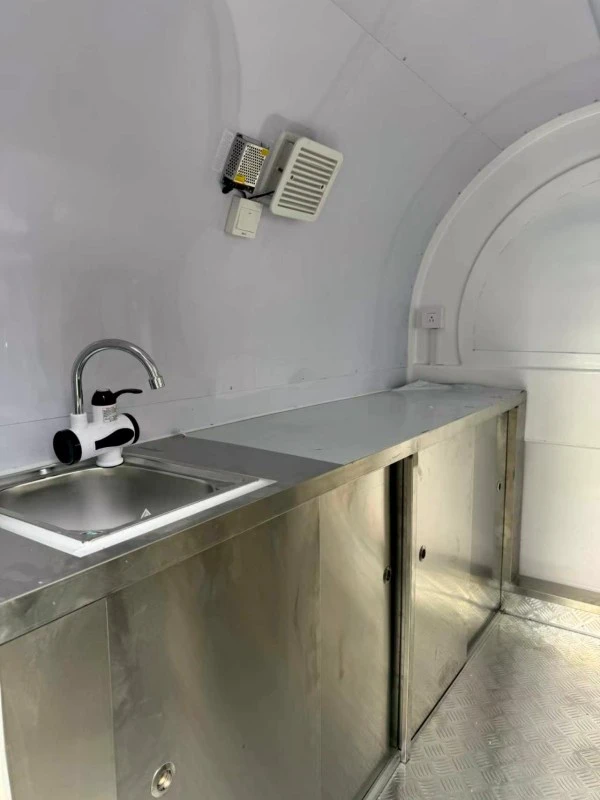
Double sinks and related plumbing

Power Supply

External connection

Voltage Options

110V / 220V / 240V / 380V

Warranty Reference

1 year, subject to contract

Service

Online support and overseas engineer service by agreement

The final payload, battery capacity, motor output, braking system, maximum speed, and road-registration category must be confirmed before production. The reference file lists a vehicle weight of approximately 550 kg and a payload capacity of up to 500 kg. The final load calculation should be based on the completed vehicle.

Key Features

Flexible Three-Wheel Mobility

Compared with a traditional food trailer, the three-wheel format can be easier to position in compact vending areas. It suits locations where turning space, parking access, or event layout is limited. Operators should check local rules for electric tricycles, pedestrian-zone access, and commercial vending before use.

Low-Noise Electric Operation

The electric drive system is suitable for locations where noise control matters, including residential streets, parks, campuses, and family entertainment areas. Battery charging should be completed with the specified charger in a dry, ventilated location. Do not charge the battery when the connector, cable, or enclosure shows signs of damage.

Compact Commercial Work Area

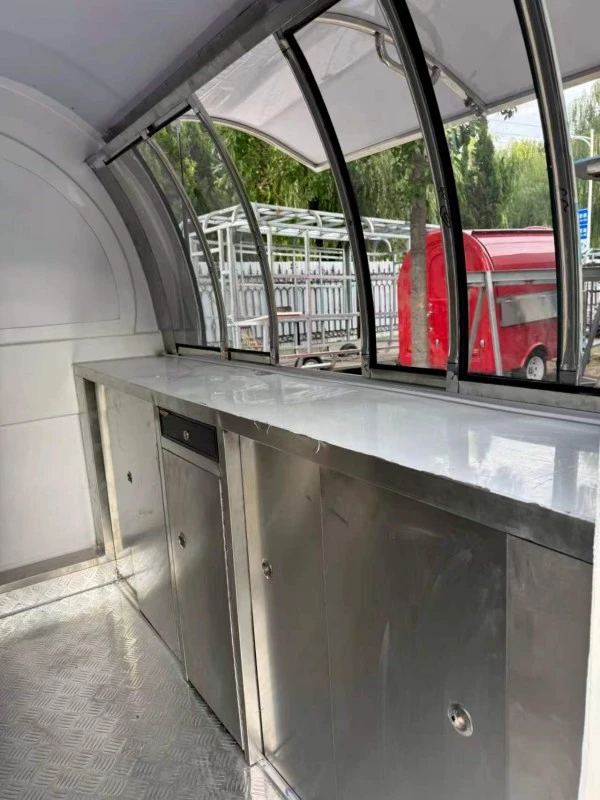
The interior can include 304 stainless-steel counters, storage cabinets, splash guards, sinks, and selected appliances. Possible equipment includes:

● Coffee machine and grinder

● Juice extractor

● Crepe maker

● Soft-serve machine

● Small griddle

● Hot-dog warmer

● Refrigerated storage

● POS and packaging station

High-power appliances may require an external power connection even when the vehicle is equipped with a battery. The electrical layout should identify battery circuits, external-power circuits, breakers, and grounding points.

Electric Three Wheeled Mobile Food CartElectric Three Wheeled Mobile Food Cart

Suggested Use Scenarios

The cart can be adapted for:

● Night markets

● University campuses

● Public parks

● Tourist streets

● Outdoor exhibitions

● Sports venues

● Community events

● Coffee and dessert pop-ups

For a beverage business, the layout may prioritize water supply, refrigeration, and cup storage. For hot snacks, ventilation, heat protection, and fire-safety equipment become more important. A single operator can work with a compact layout, while a two-person operation may require separate preparation and service zones.

Operating Instructions

Before Driving

1. Switch off cooking and external electrical equipment.

2. Secure food containers, water tanks, gas-free appliances, and loose accessories.

3. Close service awnings and lock access doors.

4. Check tire condition, wheel fasteners, brakes, and lights.

5. Confirm battery level and charging connector condition.

6. Make sure the load is distributed evenly.

7. Test the steering and turning response in an open area.

Before Vending

1. Park on firm, level ground and apply the parking brake.

2. Connect the approved power supply if external electricity is needed.

3. Check the clean-water tank, wastewater tank, pump, and sink drainage.

4. Clean and sanitize food-contact surfaces.

5. Start refrigeration or heating equipment before loading products.

6. Keep the service area clear of cables, cartons, and water.

Safety and Maintenance

Inspect the galvanized chassis for scratches, exposed steel, loose fasteners, and water accumulation. Remove road salt, mud, and standing moisture regularly. Clean the fiberglass or color-plate body with a mild detergent and soft cloth.

Inspect battery terminals, charging sockets, wiring, and control components according to the motor and battery supplier's instructions. Do not modify the battery system or use an unapproved charger. Flush the water system after extended storage, and dispose of wastewater according to local requirements.

Quality and Documentation

A reasonable inspection process includes:

Chassis inspection → Motor and battery test → Brake and steering check → Electrical and water-system test → Equipment commissioning → Final weight and dimension verification

Buyers should request the final motor and battery specifications, charger details, wiring diagram, brake information, vehicle identification data, and available road-registration documents. Certification requirements vary by destination. 

FAQ

What customization options are available for the electric food cart?

The counter arrangement, refrigeration, water system, electrical outlets, and equipment can be customized. The total power demand and weight should be reviewed before production to confirm the final layout.

How far can it travel on one charge?

The reference range is approximately 45–60 km. Actual performance depends on battery capacity, terrain, load, temperature, and driving conditions. The final range should be confirmed using the selected battery and motor specifications.

Can the vehicle operate indoors?

Only when permitted by the venue and when battery charging, fire safety, ventilation, and floor-load requirements have been reviewed. Local rules for indoor commercial vehicles should be confirmed separately.

Does the battery power all cooking equipment?

Not necessarily. High-power appliances may require an external 110V, 220V, 240V, or 380V connection. The approved electrical schedule should identify the permitted equipment combination.

What certifications are available for this electric food cart?

TUNE can provide CE and COC documentation for the completed vehicle and selected electrical system. ISO 9001 quality management applies to the manufacturing process. Certification details depend on the final configuration and destination market.

Trade Protection and After-Sales Support

The order documents should include the final dimensions, battery model, motor output, payload, equipment list, water system, electrical standard, inspection method, packaging, and warranty terms. TUNE provides operating guidance, technical drawings, troubleshooting support, and spare-parts communication. Warranty coverage for the chassis, battery, motor, electrical components, and appliances is listed separately in the contract.

Hot Tags: Electric Food Cart Manufacturer, Mobile Food Cart Supplier, Three-Wheeled Food Cart Wholesale
Send Inquiry
Contact Info
  • Address

    1711, Building B, Hisense Lingshan International, Yingzhu Sub-District, Huangdao District, Qingdao City, Shandong Province, China

Send your inquiry to Tune Technology for a custom food truck or mobile restroom trailer. Provide your requirements and receive a detailed quotation and production proposal. Start your mobile business with a trusted China manufacturer.
X
We use cookies to offer you a better browsing experience, analyze site traffic and personalize content. By using this site, you agree to our use of cookies. Privacy Policy
RejectAccept