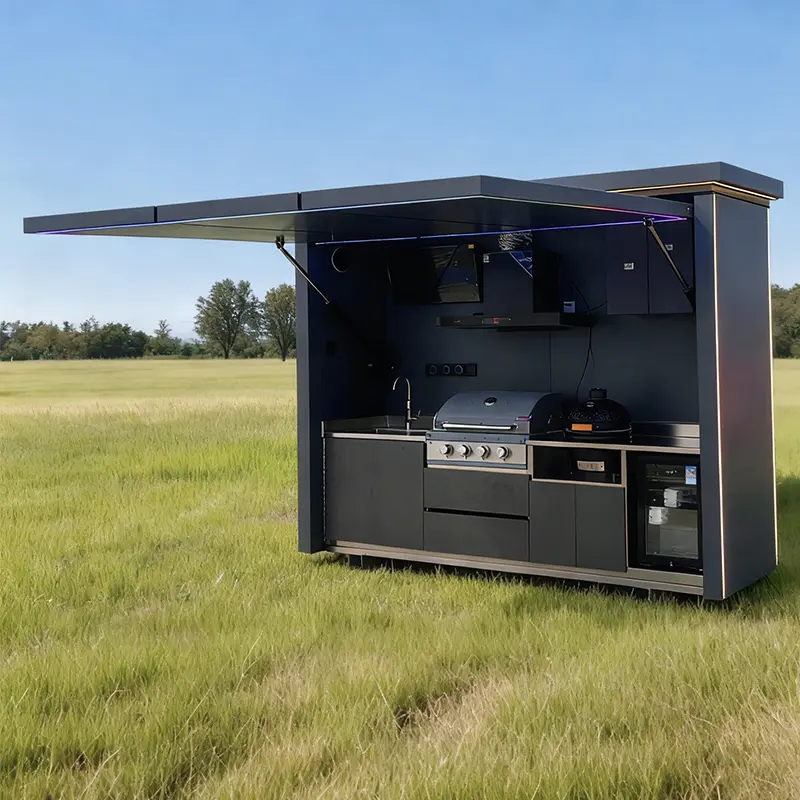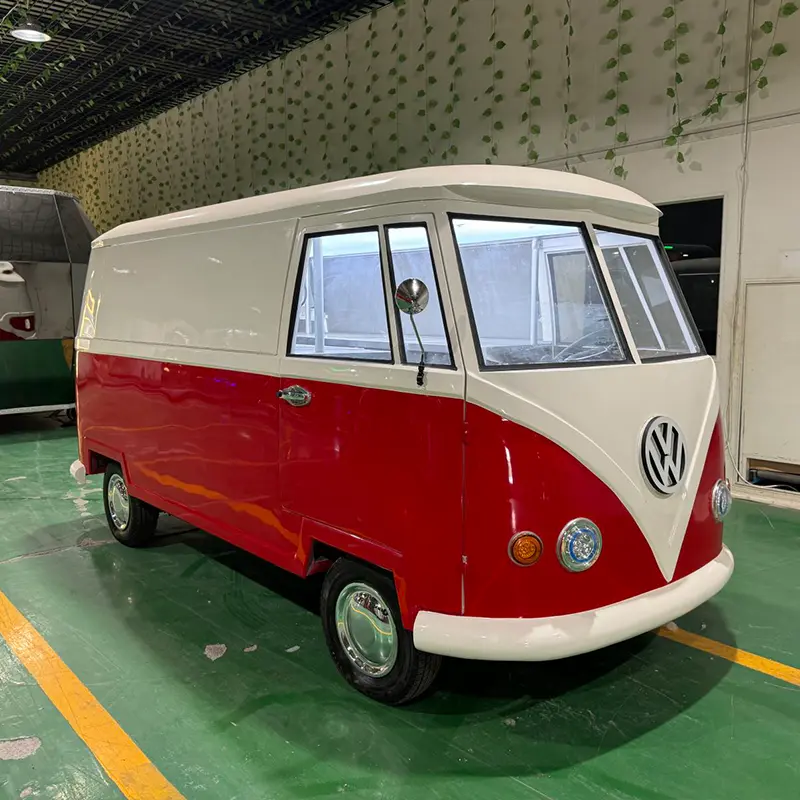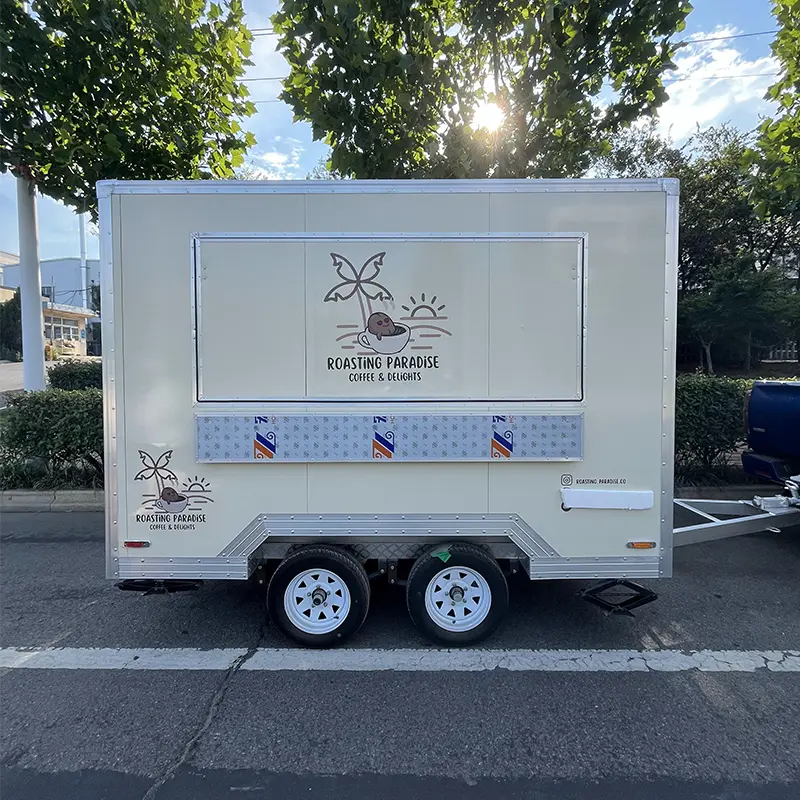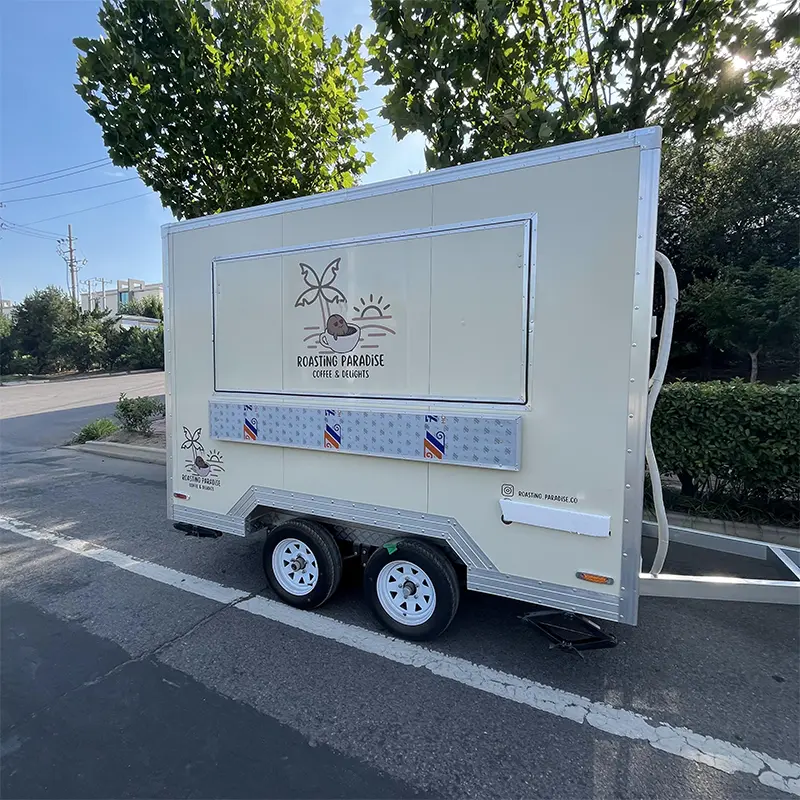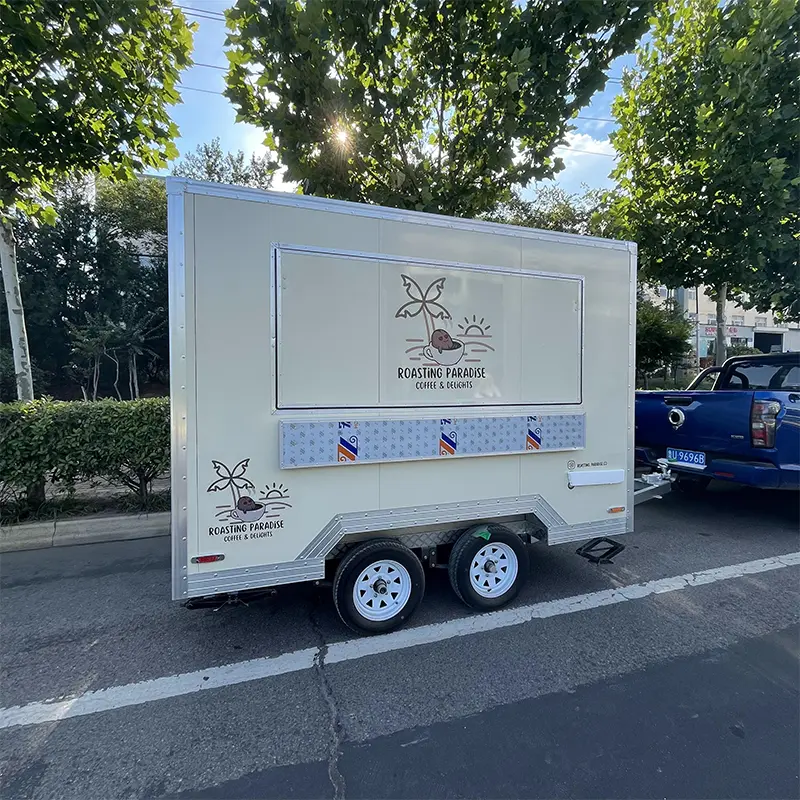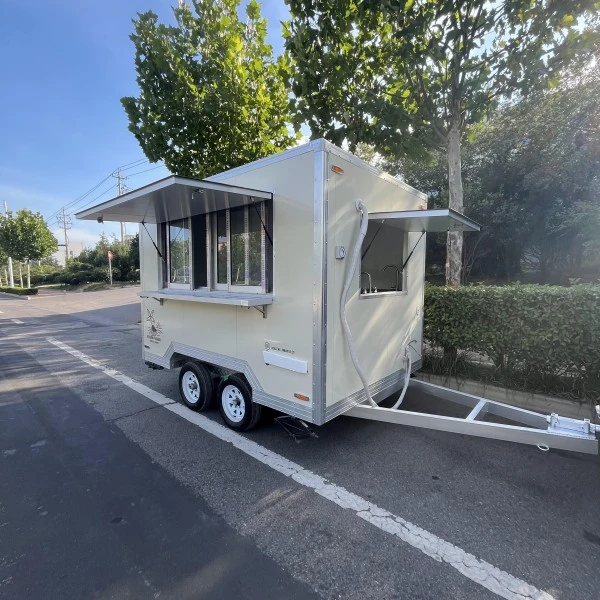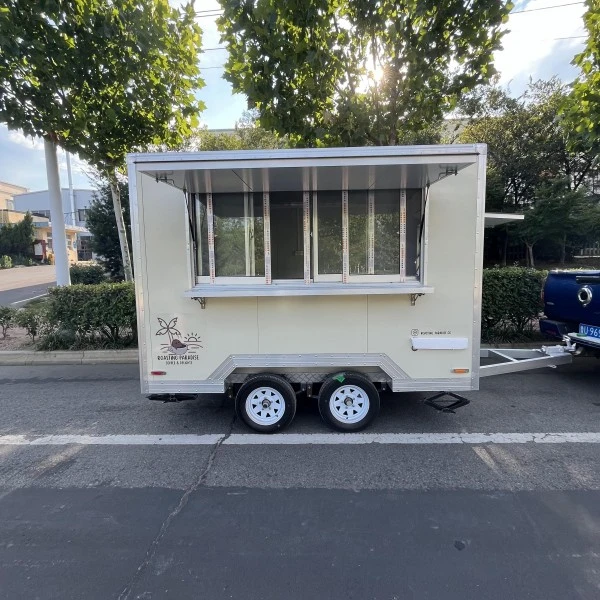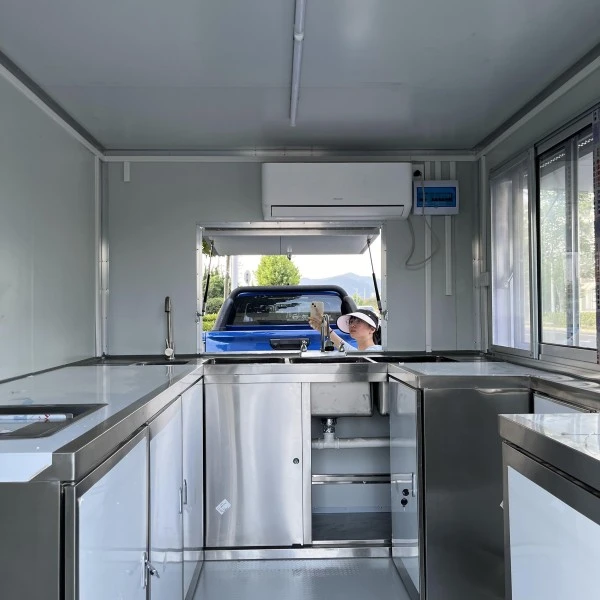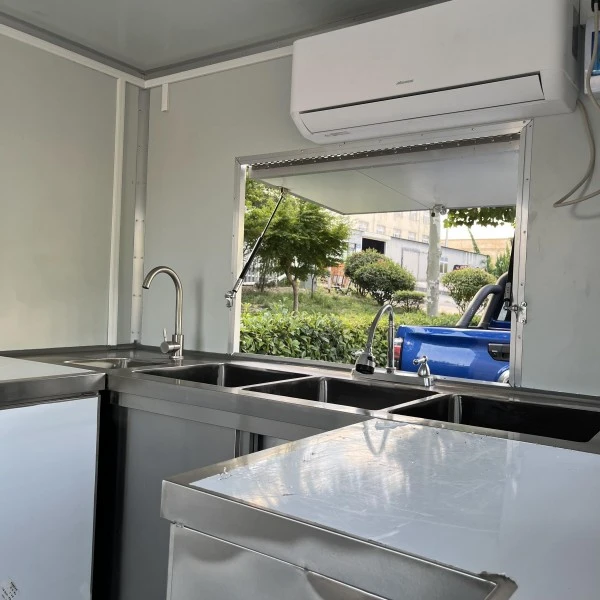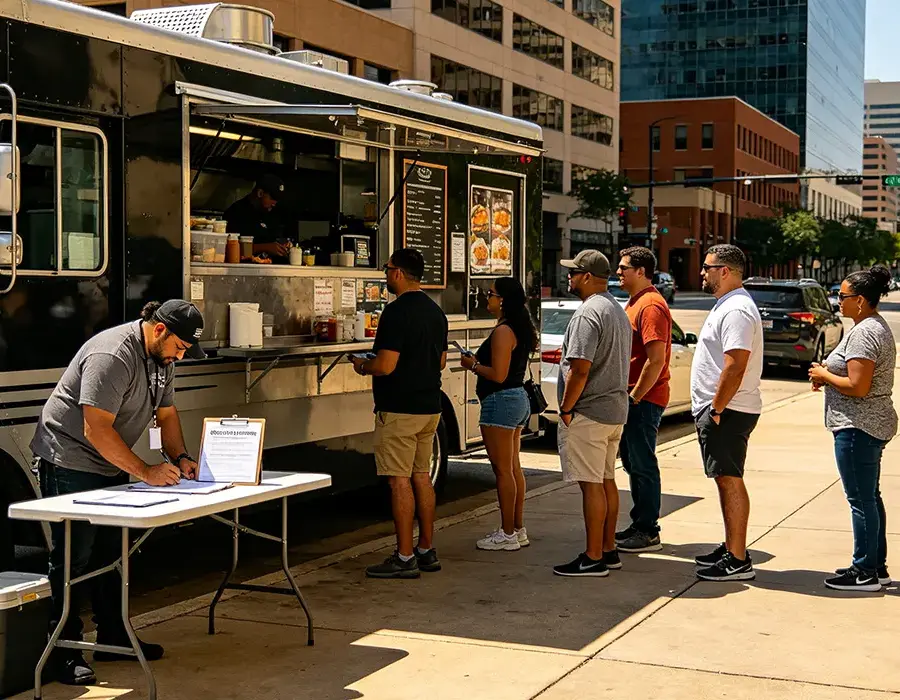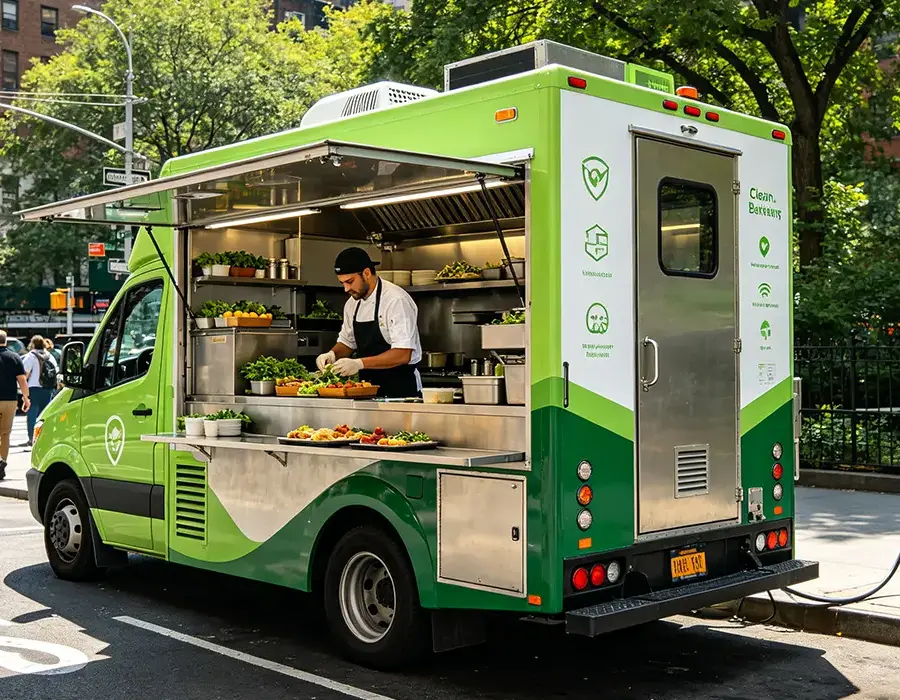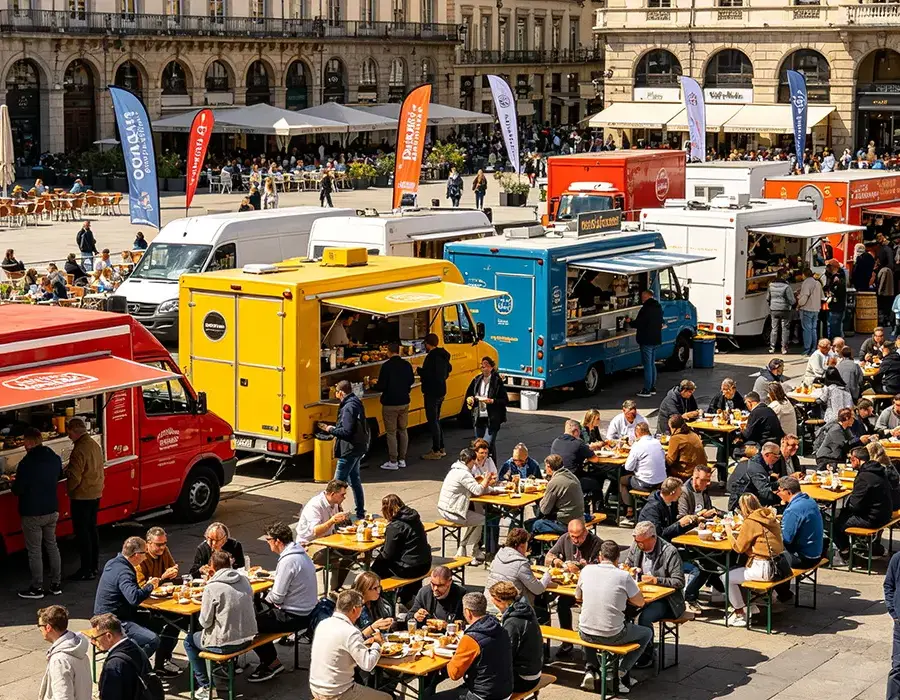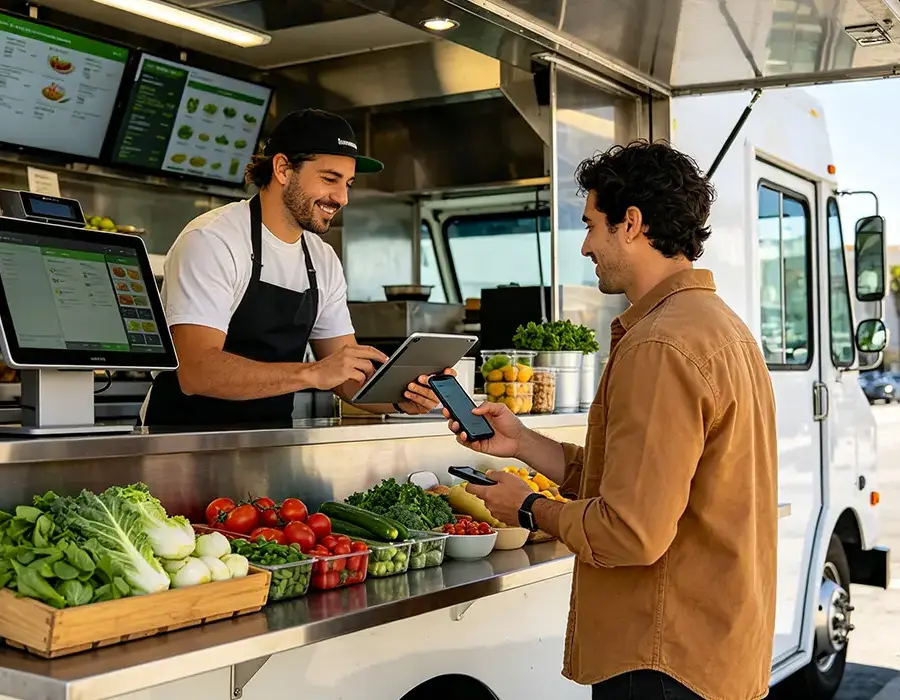
TUNE Factory Commercial Full Kitchen Mobile Trailer provides a four-zone workflow, dual service hatches, 304 stainless-steel counters, 3+1 sink sanitation, 40 mm insulation and configurable electrical systems for complete mobile restaurant operations.
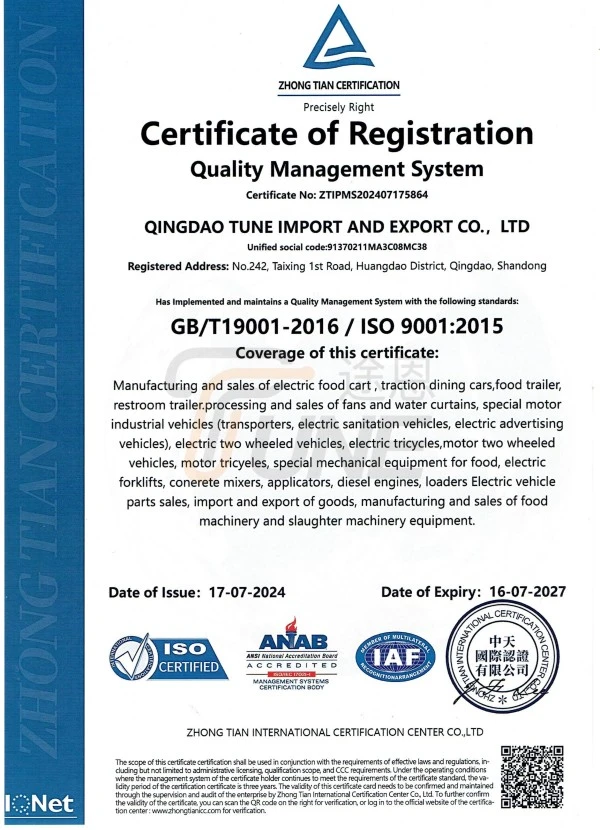
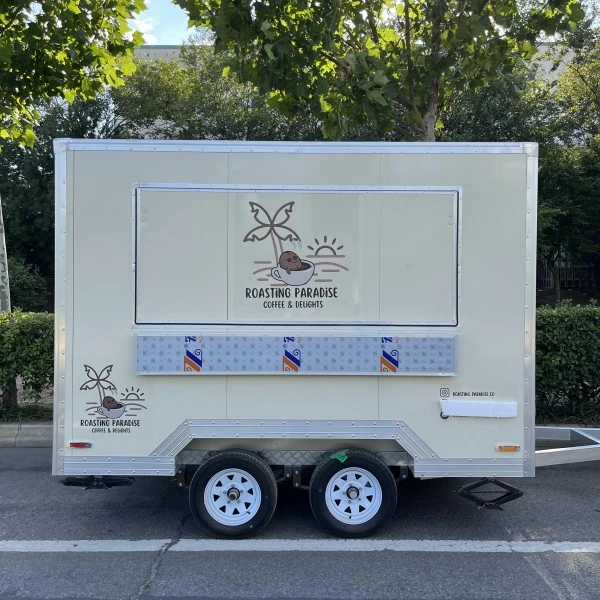
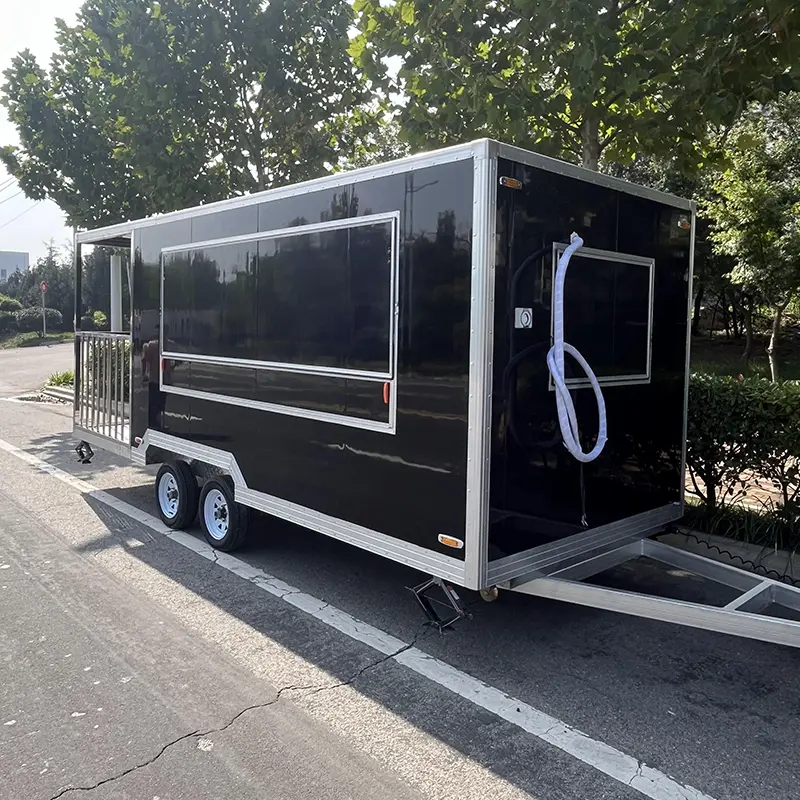
TUNE's commercial full kitchen mobile trailer is a custom mobile catering unit for businesses that need more than a simple service counter. Its rectangular box geometry provides vertical walls, a clear working height of approximately 1,950–2,050 mm, and efficient use of interior volume. TUNE manufactures this full kitchen food trailer in its Qingdao factory under ISO 9001 quality management. The trailer is exported to customers in North America, Europe, Australia, and other markets, with CE, DOT, and COC documentation available for the relevant configuration. Buyers looking for a wholesale full kitchen mobile trailer or a custom commercial catering trailer can confirm layout, equipment, and electrical standards directly with TUNE before production.
Certification & Quality Assurance
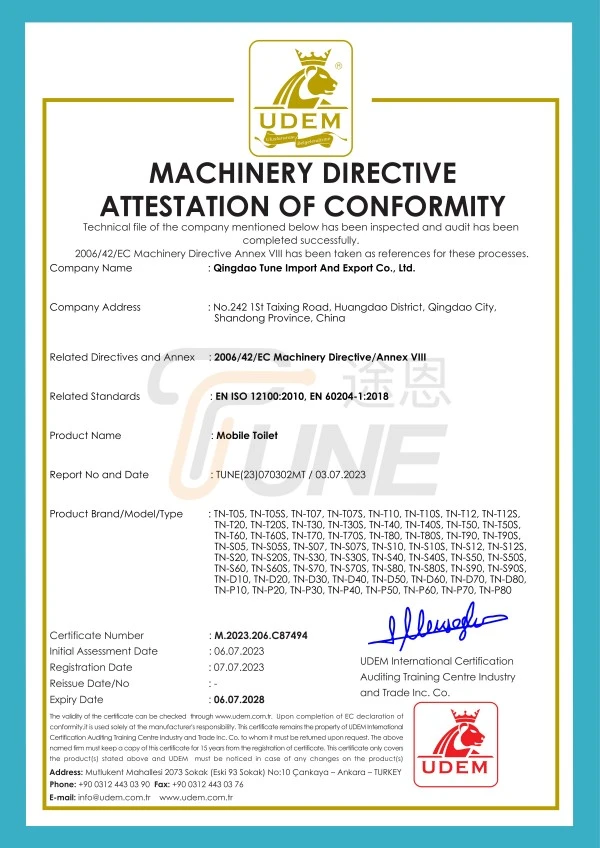
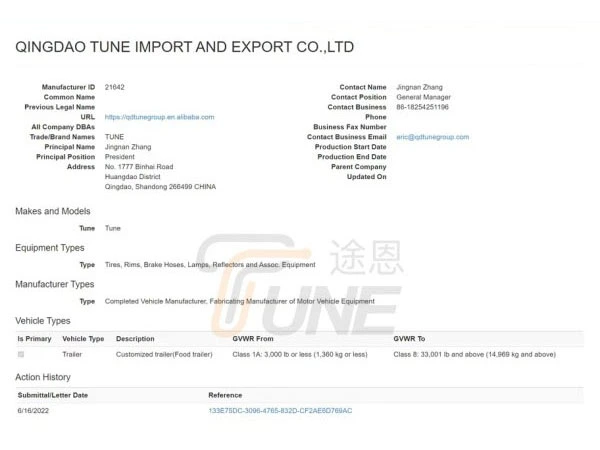
TUNE manufactures this commercial full kitchen mobile trailer under ISO 9001 quality management. CE, DOT, and COC documents can be provided for the completed trailer and selected electrical system, based on the final configuration and destination market. Third-party inspection by SGS or Intertek can be arranged before shipment. Each trailer passes through a documented inspection process covering the chassis, body insulation, water system, electrical circuits, ventilation, and braking components.
Full-Kitchen Operating Concept
The commercial full kitchen mobile trailer is designed for businesses that need more than a simple service counter. Its rectangular box geometry provides vertical walls, a clear working height of approximately 1,950–2,050 mm, and efficient use of the interior volume.
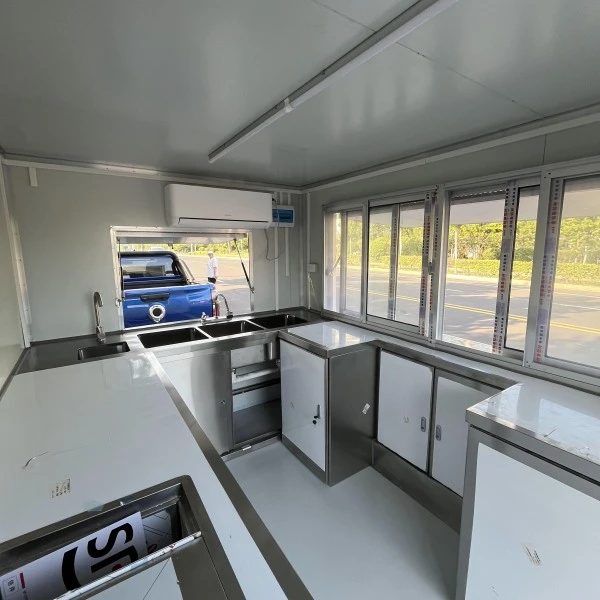
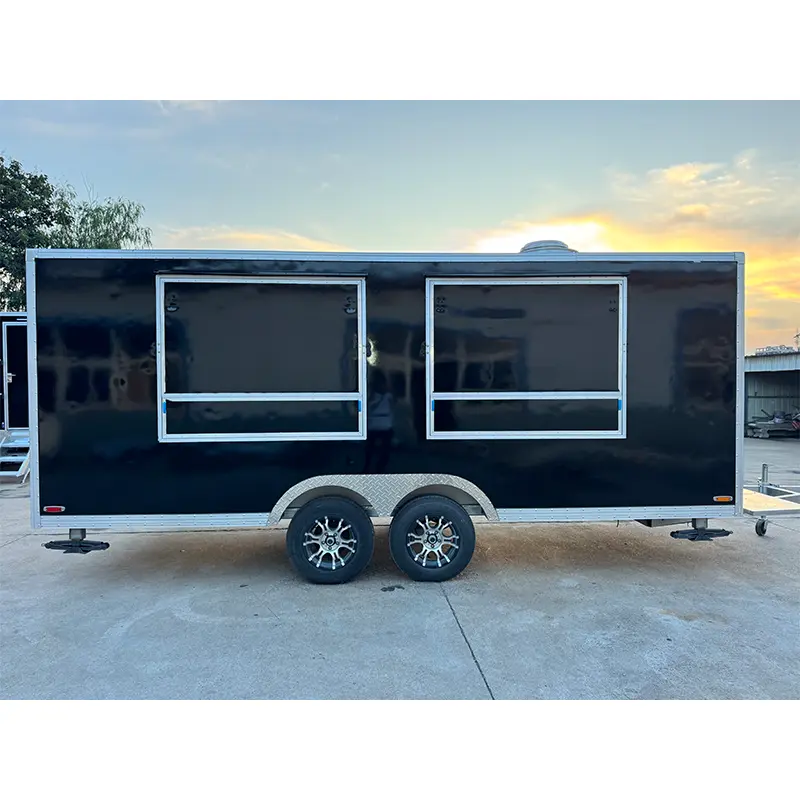
The dual-hatch configuration allows operators to separate service tasks. One hatch may handle payment and hot-food orders, while the second is used for drinks, pickup, or dessert service. The interior can be organized into four zones:
1. Ingredient storage and cold preparation
2. Hot cooking
3. Washing and sanitation
4. Order assembly and handover
This one-direction workflow can make the kitchen easier to manage during busy periods. It should be adjusted according to the menu and the number of employees.
Technical Data
Category
Reference Specification
Model
TUNE-SQ400-MW
External Dimensions
4,000 × 2,000 × 2,350 mm
Custom Lengths
Approximately 4.0–7.0 m
Interior Work Height
Approximately 1,950–2,050 mm
Tare Weight
Approximately 1,200–1,250 kg
Gross Vehicle Mass
Approximately 2,500 kg
Chassis
Galvanized steel structural box tubing
Zinc Protection
Reference above 70 μm
Insulation
40 mm PU thermal insulation
Interior
1.0 mm 304 stainless steel
Floor
Non-slip aluminum diamond plate over waterproof plywood
Service Windows
Dual pneumatic gas-strut windows
Sinks
3-compartment wash sink plus hand sink
Water Tanks
100 L clean / 105 L wastewater
Heater and Pump
3 kW instant heater and 12V pressure pump
Electrical Input
110V / 220V / 240V / 380V
Final electrical capacity, appliance arrangement, tank size, and payload must be calculated together. A full kitchen with fryers, refrigeration, air conditioning, and hot-water equipment may require a larger power supply than a coffee-focused layout.
Interior System and Practical Use
The 304 stainless-steel counters include under-counter sliding storage. The doors should be fully closed and secured before the trailer moves. Staff should avoid storing heavy objects above the recommended cabinet load or in areas that could affect axle balance.
The hot line may include gas fryers, griddles, ovens, or other commercial appliances. A stainless-steel canopy hood with removable baffle filters helps collect grease and heat. The hood must be used together with suitable make-up air, gas-safety equipment, and local ventilation controls.
The water system includes separate washing and hand-washing facilities. Clean water and wastewater tanks should be labeled clearly. Operators should never connect the wastewater outlet to a clean-water line or store cleaning chemicals beside food-contact supplies.
Use and Maintenance Instructions
Opening Procedure
● Park on stable ground and apply the handbrake.
● Lower the stabilizer jacks.
● Open and secure the service windows.
● Connect the correct power supply.
● Check the RCCB and branch breakers.
● Fill or inspect the clean-water tank.
● Test the pump, hot-water unit, and drainage.
● Start the exhaust hood before heating appliances.
● Check refrigerator temperature and ingredient storage.
Closing Procedure
● Turn off gas and electrical cooking appliances.
● Allow hot surfaces and filters to cool before cleaning.
● Remove food waste and wash food-contact surfaces.
● Drain or protect the water system in cold weather.
● Empty the wastewater tank at an approved disposal point.
● Close and latch all windows and doors.
● Secure cabinet doors, equipment, and loose items.
The 3 kW water heater and pump should be drained before freezing-weather storage. Inline strainers should be checked periodically, and mineral deposits should be removed according to the heater manufacturer's instructions.
Customer Questions and Solutions
How can heat be controlled in an enclosed kitchen?
The dual service hatches can support cross-ventilation, while the commercial exhaust hood removes hot air and cooking fumes. The trailer may also be fitted with air conditioning. Ventilation capacity must match the cooking line. Opening windows alone is not a substitute for a correctly designed exhaust system.
Can the air conditioner withstand road vibration?
The evaporator and condenser should be fixed to reinforced supports, with anti-vibration components used where appropriate. Refrigerant lines and brackets require inspection after extended road travel.
How are gas struts replaced?
The reference gas-strut force is approximately 350–500 N per cylinder. Replacement should be completed with the hatch supported and the correct strut specification confirmed. Quick-release sockets may simplify replacement, but operators should not work under an unsupported hatch.
Can the plumbing be drained completely?
The tanks, pump, heater, and low-point lines should be drained before winter storage. The exact drainage process depends on the final plumbing arrangement and should follow the operating manual.
Case-Use Perspective
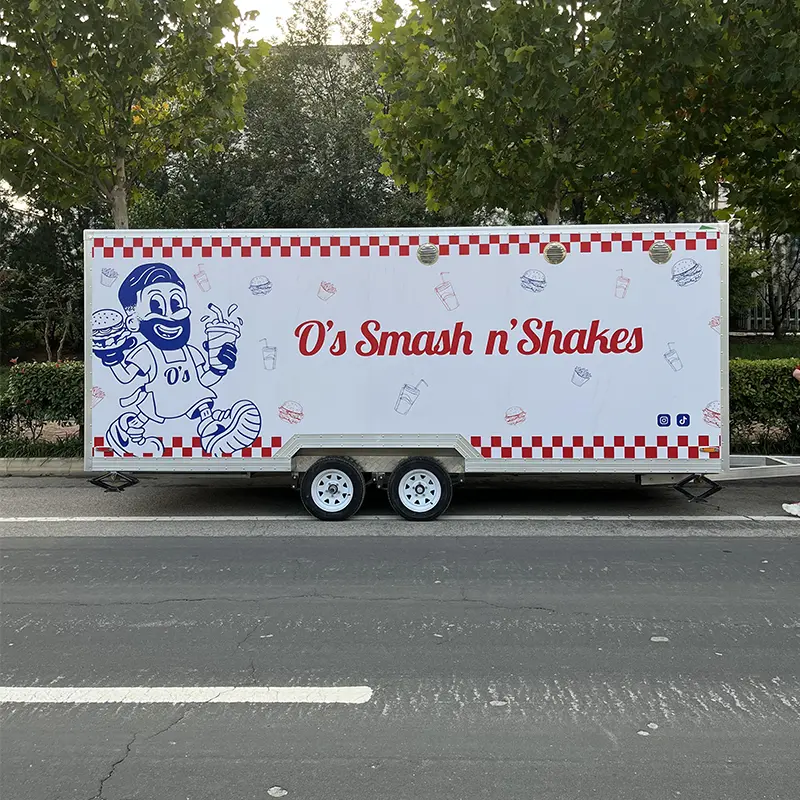
The trailer can support coffee, gelato, waffles, bakery items, burgers, fried food, and mixed menus. A coffee-and-dessert layout generally requires less cooking ventilation than a fryer-and-griddle layout. This difference affects power use, cleaning frequency, staff workload, and local permit requirements.
A buyer choosing this full equipment food trailer should first create a menu-based equipment list. The equipment list should include rated power, gas consumption, dimensions, weight, and cleaning requirements. This provides a more reliable basis for layout approval than selecting appliances after production starts.
Compliance and Inspection
The buyer should verify:
● Chassis and towing documents
● Axle and brake specification
● Electrical test and grounding records
● Water-system pressure and drainage
● Stainless-steel material information
● Exhaust and fire-safety requirements
● Local food-premises approval
● Final vehicle weight and payload
● Registration and insurance documents
CE, NSF, or other standards should be claimed only when the applicable documents cover the actual completed configuration.
Frequently Asked Questions
Can the trailer be changed from coffee service to fast food?
The modular counters and equipment positions can support some menu changes. However, a fryer, griddle, or oven may require revised ventilation, gas, electrical, and fire-safety arrangements.
How often should the grease filters be cleaned?
The frequency depends on the menu. High-fat frying operations may require daily or weekly cleaning, while coffee-only service may require less frequent cleaning. Filters should be cleaned before grease accumulation affects airflow.
What warranty is normally important?
Buyers should request separate terms for the chassis, body, windows, electrical system, plumbing, ventilation, and appliances. Third-party equipment may carry a separate manufacturer warranty.
What certifications are available for this trailer?
TUNE can provide CE, DOT, and COC documents for the completed trailer and selected electrical system, based on the final configuration and destination market. ISO 9001 applies to the manufacturing process. Third-party inspection by SGS or Intertek can be arranged.
Hot Tags: Commercial Full Kitchen Mobile Trailer, Mobile Kitchen Trailer for Sale, Commercial Kitchen Trailer Manufacturer
Send your inquiry to Tune Technology for a custom food truck or mobile restroom trailer. Provide your requirements and receive a detailed quotation and production proposal. Start your mobile business with a trusted China manufacturer.
We use cookies to offer you a better browsing experience, analyze site traffic and personalize content. By using this site, you agree to our use of cookies. Privacy Policy